
- understanding-your-pets-needs-before-training - Understanding Your Pet’s Needs Before Training
- consistency-the-unsung-hero-of-pet-training - Consistency: The Unsung Hero of Pet Training
- positive-reinforcement-how-it-builds-trust - Positive Reinforcement: How It Builds Trust
- start-small-and-scale-up - Start Small and Scale Up
- timing-is-everything-in-training - Timing Is Everything in Training
- tailoring-techniques-to-pet-breed-and-personality - Tailoring Techniques to Pet Breed and Personality
- common-mistakes-to-avoid-in-pet-training - Common Mistakes to Avoid in Pet Training
- real-world-case-how-luna-the-rescue-dog-learned-boundaries - Real World Case: How Luna the Rescue Dog Learned Boundaries
- brothers-pets-your-pet-training-partner - Brothers Pets: Your Pet Training Partner
1. Understanding Your Pet’s Needs Before Training
Before diving into training techniques, it’s crucial to understand your pet’s emotional, physical, and mental state. A hyperactive puppy will require different strategies than a nervous rescue cat. Spend a few days observing their energy levels, triggers, and habits. Without this foundation, even the most professional tools might fall flat.
2. Consistency: The Unsung Hero of Pet Training
Whether you're teaching a dog to sit or a parrot to talk, consistency is key. That means using the same command words, gestures, and tone of voice each time. Inconsistent cues confuse pets and delay progress. This principle applies across all training—from crate habits to leash etiquette.
3. Positive Reinforcement: How It Builds Trust
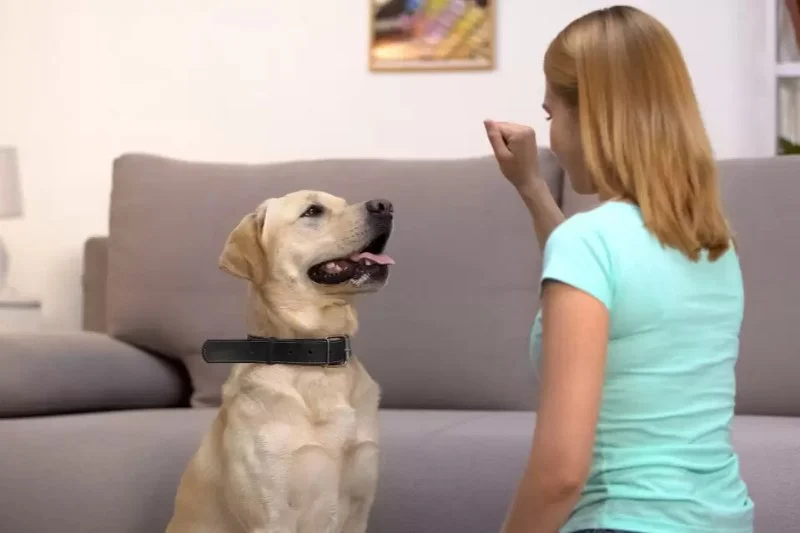
Pets, like people, respond best to encouragement. Treats, praise, and toys can reward good behavior and motivate your furry friend to repeat it. Avoid yelling or physical punishment, which only breeds fear and resistance. For example, when your dog sits on command, say “good boy!” with excitement and reward him immediately.
4. Start Small and Scale Up
Break tasks into manageable steps. If your goal is for your dog to fetch your slippers, start by rewarding him for simply touching them. Gradually raise the expectations. Overwhelming a pet with a big task can cause anxiety and frustration—for both of you.
5. Timing Is Everything in Training
Reinforcements must come the moment a behavior occurs. A treat five seconds late may leave your pet confused about what they did right. Carry treats during walks or play to be ready when that perfect training moment arises.
6. Tailoring Techniques to Pet Breed and Personality
Some breeds are naturally independent—others crave direction. For instance, a border collie thrives with structured, challenging tasks, while a basset hound may need extra motivation. Likewise, high-energy pets might benefit from training methods that burn off energy first, such as games of fetch before sit-stay drills.
7. Common Mistakes to Avoid in Pet Training
7.1 Training Too Long
Sessions should be short and sweet. 5–10 minutes per session is optimal, especially for younger pets. Overtraining can lead to fatigue and resentment.
7.2 Ignoring Environment
Training indoors? Outdoors? At the dog park? The setting greatly influences your pet’s attention span. Start in low-distraction environments and build up to busier ones.
7.3 Inconsistency Among Family Members
Everyone in your household must be on the same page with commands and expectations. Mixed signals can undo weeks of progress in a single day.
8. Real World Case: How Luna the Rescue Dog Learned Boundaries
When Mark adopted Luna, a 3-year-old husky mix from a shelter in Phoenix, she was sweet but wildly reactive—barking at cars, chewing furniture, and ignoring all commands. He started with basic commands using a clicker and chicken treats. After two weeks of daily five-minute sessions, Luna learned “sit,” “stay,” and “leave it.”
The key, Mark says, was not just repetition but patience. “I realized Luna wasn’t disobedient—she was overwhelmed.” With consistent routines and proper rewards, Luna now calmly greets strangers and can walk off-leash in the neighborhood park.
9. Brothers Pets: Your Pet Training Partner
At Brothers Pets, we offer expert-curated tools that make home training easier, faster, and more fun. From beginner clickers and durable treat pouches to distraction-reducing chews, our range is trusted by trainers across the U.S. Plus, our blog features dozens of training guides designed for every pet type and experience level.
Looking for professional support or product recommendations tailored to your pet’s personality? Let Brothers Pets be your go-to companion in your training journey.






 Academy Animal Hospital4.0 (453 reviews)
 PetVet Vaccination Clinic5.0 (2 reviews)
 Great Lakes Veterinary Behavior Consultants3.0 (7 reviews)
 Animal Medical Center4.0 (353 reviews)
 Cloverleaf Animal Hospital4.0 (194 reviews)
 Brookview Animal Health Center4.0 (260 reviews)
 How to Choose the Right Pet Boarding Facility - A Complete Owner’s Guide
 How to Safely Clean Your Pet’s Ears and Prevent Infections: A Step-by-Step Guide
 How to Recognize and Treat Common Pet Injuries - Expert Guide
 Expert Advice on Emergency Pet Care Every Owner Should Know
 Ways to Keep Your Dog Entertained When Home Alone
 How to Provide Safe and Effective Flea Treatment for Your Pet" — Optimized for the target audience and search engines.