
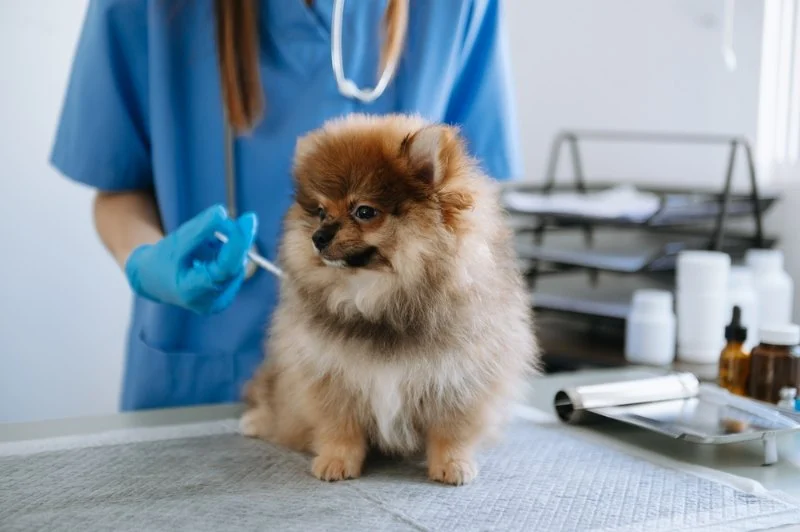
Understanding the Importance of Regular Pet Vaccinations
- 1. Why Vaccinations are Essential for Pets
- 2. Common Vaccines for Pets and Their Benefits
- 3. How Vaccinations Protect Your Pet and Community
- 4. The Risks of Skipping Pet Vaccinations
- 5. How to Stay on Top of Your Pet’s Vaccination Schedule
1. Why Vaccinations are Essential for Pets
Regular pet vaccinations are a critical component of maintaining the health of your furry friend. Vaccines protect pets from a variety of dangerous and potentially deadly diseases. These diseases can affect not only the health of your pet but also the health of other pets and humans. Vaccinations stimulate the immune system, helping the body recognize and fight off specific pathogens without causing the disease itself.
Just like in humans, vaccinations help prevent outbreaks of serious diseases in animals. They reduce the risk of spreading infectious diseases in the pet population and are essential for long-term health and wellbeing.
2. Common Vaccines for Pets and Their Benefits
There are several vaccines that are commonly recommended for pets, each designed to protect them from specific diseases:
- Rabies Vaccine: A vital vaccine for dogs and cats, the rabies vaccine protects pets from the rabies virus, which can be fatal if contracted. Rabies is also a zoonotic disease, meaning it can be transmitted to humans.
- Distemper Vaccine: This vaccine helps prevent distemper, a serious viral disease that affects the respiratory, gastrointestinal, and nervous systems of pets.
- Parvovirus Vaccine: Parvo is a highly contagious virus that affects puppies and unvaccinated dogs, causing severe vomiting, diarrhea, and often death if untreated.
- Leptospirosis Vaccine: This vaccine protects against leptospirosis, a bacterial infection that can affect both pets and humans, leading to kidney damage and liver failure.
- Feline Leukemia Vaccine: This is an important vaccine for cats, helping prevent a viral disease that weakens the immune system and can lead to cancer in cats.
By keeping up with these core vaccinations, pet owners can significantly reduce the chances of their pets contracting these preventable diseases.
3. How Vaccinations Protect Your Pet and Community
Vaccinations not only protect individual pets, but they also play a crucial role in community health. When more pets in a community are vaccinated, the spread of infectious diseases is minimized, leading to a healthier overall environment. This is especially important in communities with high pet populations, where diseases can spread rapidly without widespread vaccination coverage.
Additionally, vaccinated pets are less likely to become carriers of harmful diseases that can affect other pets, wildlife, and even humans. For example, rabies and leptospirosis can spread from pets to humans, so by vaccinating your pet, you’re also contributing to the health of the community.
4. The Risks of Skipping Pet Vaccinations
Skipping vaccinations can lead to serious health consequences for pets, some of which can be life-threatening. Not vaccinating your pet exposes them to the risk of contracting contagious and often fatal diseases. For example, parvovirus and distemper are both highly contagious, and without proper vaccination, pets are at high risk of contracting these illnesses.
Furthermore, failing to vaccinate your pet can result in a longer recovery time if they do contract a disease, increased medical costs, and a higher risk of spreading the illness to other animals. Pet vaccinations are typically much more affordable than treating a preventable disease, making them a cost-effective health measure.
5. How to Stay on Top of Your Pet’s Vaccination Schedule
Staying on top of your pet’s vaccination schedule is crucial to ensuring their long-term health. Here are some tips for keeping track:
- Consult Your Veterinarian: Your vet will provide you with a vaccination schedule based on your pet's age, breed, lifestyle, and the local disease risks in your area.
- Set Reminders: Vaccination schedules are typically annual or semi-annual, so setting reminders in your phone or calendar can help you stay on track.
- Keep Records: Keep a record of your pet’s vaccinations and any booster shots they’ve received, as this information will be necessary for travel, boarding, and grooming.
- Be Proactive: If you notice any changes in your pet’s behavior, such as lethargy, changes in appetite, or unusual symptoms, contact your vet right away, even if it’s before the next scheduled vaccination.
By adhering to the recommended vaccination schedule, you can ensure that your pet is protected against common diseases and remains healthy year-round.
For more information on pet care and to find quality pet products, visit Brothers Pets for trusted recommendations.



 Pet Hospital5.0 (5 reviews)
 Colorado Valley Vet4.0 (305 reviews)
 Rockingham Emergency Veterinary Hospital4.0 (366 reviews)
 Cherokee Trail Veterinary Hospital4.0 (864 reviews)
 Beyond Pets Animal Hospital & Urgent Care4.0 (373 reviews)
 VCA Animal Care Hospital4.0 (95 reviews)
 How to Deal with Pet Stress During Traveling – Expert Tips to Help Your Pet Cope
 Preparing Your Pet for a New Baby in the Home: A Complete Family Guide
 The Complete Vaccination Schedule for Puppies and Kittens in the USA
 How to Help Pets Cope with Separation Anxiety | Tips for Pet Owners
 How to Prevent and Treat Worms in Dogs and Cats: A Complete Guide
 Understanding Pet Allergies: Symptoms and Treatment Options | Brothers Pets