
- 1 - Why Vaccination Matters for Puppies and Kittens
- 2 - Core Vaccines for Puppies
- 3 - Core Vaccines for Kittens
- 4 - The Complete Vaccination Schedule
- 5 - Real Experiences of Pet Owners
- 6 - Choosing Trusted Veterinary Care
1. Why Vaccination Matters for Puppies and Kittens
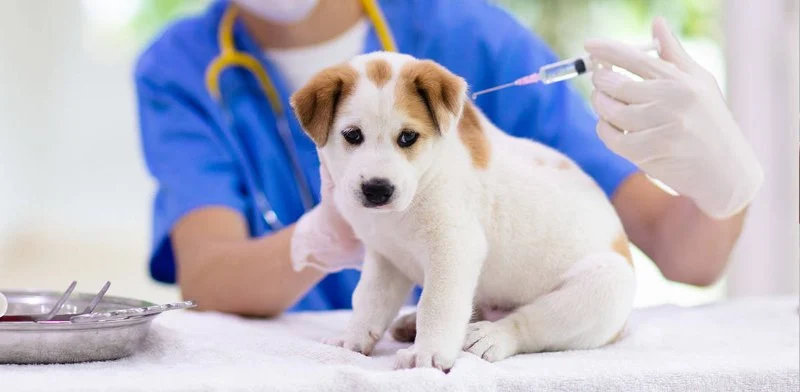
Vaccinations are one of the most important steps in giving your pet a healthy start in life. Diseases like parvovirus in puppies and feline distemper in kittens can be deadly if left unprotected. By following the complete vaccination schedule for puppies and kittens, you’re not only protecting your pet but also reducing the spread of contagious diseases in the community. For U.S. families, especially those who bring pets to parks, dog-friendly cafes, or boarding centers, timely vaccinations ensure peace of mind and long-term health.
2. Core Vaccines for Puppies
Puppies are especially vulnerable in their first months. Core vaccines include distemper, parvovirus, adenovirus, and rabies. These diseases are highly contagious and often fatal without protection. For example, shelters in California have reported outbreaks of parvovirus that spread quickly among unvaccinated litters. Following the recommended vaccine plan can prevent such tragedies, giving puppies the chance to grow strong and active. Additional non-core vaccines, such as Bordetella (kennel cough), are advised based on lifestyle and exposure risk.
3. Core Vaccines for Kittens
Kittens also require early protection, with vaccines covering feline distemper (panleukopenia), calicivirus, herpesvirus, and rabies. Panleukopenia, for example, has a survival rate of less than 20% without proper vaccination. In urban areas like Los Angeles and New York, vets frequently emphasize the importance of early kitten shots because exposure can happen even indoors, through human contact with contaminated surfaces. Non-core vaccines such as FeLV (feline leukemia virus) are recommended if the kitten spends time outdoors or lives with other cats.
4. The Complete Vaccination Schedule
The typical U.S. vaccination schedule starts at 6–8 weeks of age. Puppies and kittens receive boosters every 3–4 weeks until they are 16–18 weeks old. Rabies vaccines are usually given at 12–16 weeks, depending on state law. Adult pets need regular boosters, often every one to three years. Missing a booster can reduce effectiveness, so keeping track with your vet is essential. Many pet owners use reminder apps or rely on clinics like Brothers Pets, which provide guidance, reminders, and access to trusted care plans for long-term health.
5. Real Experiences of Pet Owners
Stories from pet owners highlight the importance of timely vaccinations. One New Jersey family shared how their unvaccinated puppy contracted parvovirus and needed weeks of hospitalization, costing thousands of dollars. By contrast, a pet parent in Texas praised their vet for sticking to the schedule, which protected their kitten during an outbreak at a local shelter. These real experiences show that prevention through vaccination is not only safer but also far less expensive than treatment.
6. Choosing Trusted Veterinary Care
The right veterinary care ensures your pet gets vaccines at the right time and in the right dosage. Clinics differ in their approach, so finding a reliable provider is essential. At Brothers Pets, pet owners can explore recommended veterinary partners, vaccination packages, and tailored health services that simplify the process. Building a strong relationship with your vet helps ensure your puppy or kitten receives the best start in life with long-term wellness in mind.






 Southern Indiana Equine4.0 (121 reviews)
 Petland Chillicothe4.0 (972 reviews)
 Valley Animal Clinic4.0 (163 reviews)
 Aquamania Aquarium Store4.0 (33 reviews)
 Koran Tropical Fish3.0 (64 reviews)
 Cottage Grove Animal Hospital4.0 (371 reviews)
 The Best Diet for Maintaining Healthy Weight in Cats - Essential Tips for Cat Owners
 Top 11 Tips for Pet Adoption: What Every New Owner Should Know
 Expert Advice on Raising Puppies & Kittens – Tips for New Pet Parents
 How to Recognize and Treat Common Pet Allergies and Sensitivities
 Top 11 Tips Every Owner Should Know for Optimal Pet Health
 How to Recognize and Treat Autoimmune Diseases in Pets