
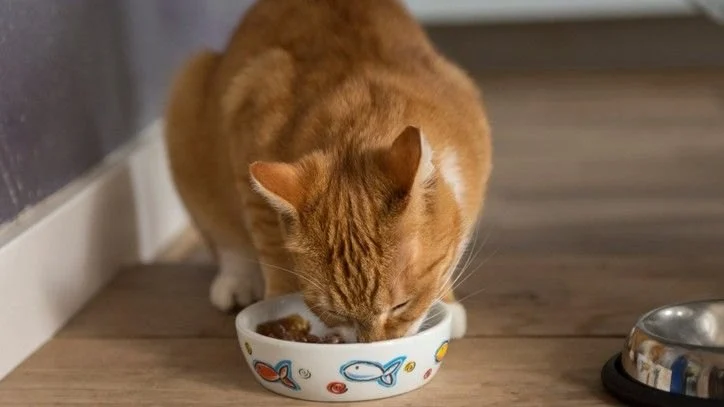
The Best Diet for Maintaining Healthy Weight in Cats
- Understanding Weight Management in Cats
- The Importance of a Balanced Diet for Cats
- Key Ingredients to Look for in Cat Food
- How Portion Control Affects Your Cat’s Weight
- Choosing the Right Treats and Snacks for Your Cat
- Real-Life Case Studies: Success Stories of Healthy Weight Maintenance
1. Understanding Weight Management in Cats
Maintaining a healthy weight in cats is crucial for their overall well-being. Just like in humans, excess weight can lead to various health issues in cats, including diabetes, joint problems, and heart disease. It’s important to understand that weight management involves not just reducing calorie intake, but also ensuring that your cat gets the right nutrients to stay healthy. By focusing on a combination of a healthy diet, regular exercise, and portion control, you can keep your cat at an ideal weight and improve its quality of life.
2. The Importance of a Balanced Diet for Cats
The best diet for maintaining a healthy weight in cats is one that is balanced, providing all the necessary nutrients for their energy needs. A well-balanced diet for cats includes proteins, healthy fats, and carbohydrates, as well as essential vitamins and minerals. Cats are obligate carnivores, which means they require a high amount of protein in their diet. Look for cat food that lists real meat, such as chicken or fish, as the first ingredient. Avoid foods with excessive fillers like corn or soy, as these can contribute to weight gain.
3. Key Ingredients to Look for in Cat Food
When choosing food for your cat, it’s important to focus on high-quality ingredients that contribute to healthy weight management. Look for protein-rich options like chicken, turkey, or fish. These provide the essential amino acids that cats need for muscle maintenance. Healthy fats, such as those from fish oil or chicken fat, are also important for energy and coat health. Additionally, fiber is key to helping your cat feel full and prevent overeating. Opt for foods that contain ingredients like pumpkin or peas, which are rich in fiber and support digestion.
4. How Portion Control Affects Your Cat’s Weight
Even if you’re feeding your cat high-quality food, portion control is essential to prevent overfeeding. Many cat owners unintentionally overfeed their pets by not measuring food properly. It's important to follow the feeding guidelines provided on the food packaging or consult your veterinarian to determine the appropriate portion size for your cat’s age, weight, and activity level. You should also avoid free-feeding, as it can lead to your cat eating more than it needs. Using a food scale can be an excellent tool to ensure you’re giving the right amount of food.
5. Choosing the Right Treats and Snacks for Your Cat
Treats are a great way to bond with your cat, but they should be given in moderation. Opt for low-calorie treats that are designed for weight management. Avoid giving your cat human food, especially those that are high in fat and sugar, as they can contribute to unnecessary weight gain. Instead, choose treats that are formulated with healthy ingredients and are rich in protein and fiber. When giving treats, make sure to account for the calories in them and adjust your cat’s regular meals accordingly.
6. Real-Life Case Studies: Success Stories of Healthy Weight Maintenance
Meet Bella, a 5-year-old domestic shorthair cat who had struggled with obesity. Her owner, Sarah, realized that Bella’s weight was impacting her health, so she consulted with her veterinarian and started her on a portion-controlled, high-protein diet. Sarah also reduced the number of treats she gave Bella and incorporated regular playtime into her routine. Within six months, Bella lost 2 pounds, which improved her mobility and overall health. This case highlights how a combination of diet, portion control, and regular exercise can effectively help maintain a healthy weight in cats.





 Best Puppies For Sale4.0 (96 reviews)
 Pet Assistance, Inc.2.0 (7 reviews)
 The Animal Clinic, P.S.C.4.0 (407 reviews)
 River Mill Animal Hospital - Dr. Tammie Hodge4.0 (114 reviews)
 Dr. Terry L Hills DVM5.0 (4 reviews)
 South County Animal Hospital, A Thrive Pet Healthcare Partner4.0 (145 reviews)
 Raw Food Diets for Pets: Pros, Cons, and Veterinary Opinions
 How to Spot and Treat Liver Disease in Cats and Dogs: A Complete Guide
 How to Spot Symptoms of Food Allergies in Cats: A Guide for Pet Owners
 How to Choose the Right Vet for Your Pet's Specific Needs
 Best Dog Breeds for Active Families with Kids: Top Choices for Fun and Play
 How to Spot Early Signs of Cancer in Pets and What to Do Next