
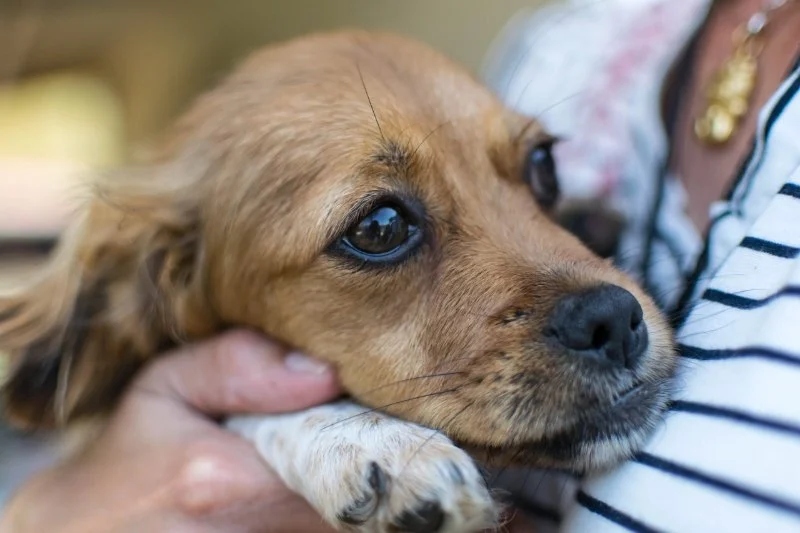
- Understanding Pet Anxiety and Stress
- Signs Your Pet Might Be Anxious
- Common Causes of Pet Anxiety
- How to Treat Pet Anxiety and Stress
- How Brothers Pets Can Help
Understanding Pet Anxiety and Stress
Just like humans, pets can experience anxiety and stress. These emotional states can affect your pet's behavior, health, and overall well-being. Pet anxiety is often caused by changes in the environment, routine disruptions, or traumatic experiences. It's important to recognize the signs of anxiety early and take action to help your pet manage these feelings.
Understanding pet anxiety is the first step in providing your pet with the care and comfort they need. Whether it’s due to separation, unfamiliar environments, or loud noises, anxiety can take a toll on your pet’s mental and physical health. In this article, we’ll guide you through the signs of pet anxiety, its causes, and the best treatments available to help your pet relax and feel secure.
Signs Your Pet Might Be Anxious
Recognizing the signs of anxiety in pets is crucial for providing effective treatment. Pets often cannot communicate their feelings in words, so it's up to us as owners to spot the behavioral changes that indicate stress or anxiety. Here are some common signs of anxiety in pets:
1. Excessive Barking or Meowing
Pets, especially dogs and cats, may vocalize excessively when they are anxious. This can happen when they are left alone, in new environments, or exposed to loud noises. If your pet starts barking or meowing more than usual, it could be a sign of stress or anxiety.
2. Destructive Behavior
Pets may begin chewing furniture, scratching, or tearing up their bedding when they are feeling anxious. This type of destructive behavior is often a result of frustration or an attempt to self-soothe. If this behavior becomes frequent, it may be linked to anxiety.
3. Hiding or Withdrawal
An anxious pet might seek isolation. If your pet suddenly starts hiding or seems less social, it could be trying to escape from stressors in its environment. This is especially common in cats, who tend to find quiet, hidden places when they feel overwhelmed.
4. Changes in Eating or Sleeping Patterns
Stress and anxiety can affect your pet's appetite and sleep. If your pet suddenly stops eating or sleeps more than usual, it could be a response to stress. Similarly, a pet that is anxious may have trouble sleeping or might be restless throughout the night.
5. Excessive Grooming
Pets may groom themselves excessively as a coping mechanism for stress. This can lead to hair loss, irritated skin, or even bald patches, particularly in cats. If your pet is over-grooming, it may be trying to self-soothe in response to anxiety.
Common Causes of Pet Anxiety
Understanding what causes anxiety in pets can help you prevent and manage it. There are several factors that can trigger anxiety in pets, and these causes may vary depending on the species, breed, and individual pet. Some of the most common causes include:
1. Separation Anxiety
Many pets, especially dogs, can experience separation anxiety when left alone. This can cause distressing behaviors such as barking, whining, or destroying household items. Pets that are overly attached to their owners may struggle when left without them, especially if the separation is sudden or prolonged.
2. Changes in Environment
Pets are creatures of habit, and changes to their environment can be very stressful. Moving to a new home, rearranging furniture, or introducing new pets or people can cause anxiety in some animals. Cats, in particular, may feel more stressed by environmental changes, as they tend to be more sensitive to disruptions.
3. Loud Noises and Fireworks
Loud noises, such as fireworks, thunderstorms, or construction, can cause extreme anxiety in pets. Dogs are particularly sensitive to loud sounds, and they may display fear by trembling, hiding, or attempting to escape the noise. Cats may also react by seeking out a quiet place to hide.
4. Trauma or Abuse
Pets that have experienced trauma or abuse in the past may develop anxiety as a result. This could include being mistreated by previous owners or witnessing violent events. Pets with a history of abuse may become fearful and anxious in certain situations, especially when exposed to similar triggers from their past.
5. Health Issues
Sometimes, anxiety in pets can be caused by underlying health issues. Pain, discomfort, or illness can make pets more sensitive to stress. If your pet’s anxiety seems to coincide with changes in behavior, it’s important to rule out health problems with a visit to the vet.
How to Treat Pet Anxiety and Stress
Once you’ve identified the signs and causes of anxiety in your pet, it’s time to take action. Here are some effective ways to treat pet anxiety and help your furry friend feel more comfortable:
1. Create a Safe and Calm Environment
Ensure your pet has a quiet, safe space where they can retreat when they feel anxious. For dogs, this could be a crate or a quiet room with their bed and toys. For cats, a secluded area with a hiding spot is ideal. Having a designated calm space can help your pet feel more secure.
2. Use Anxiety-Reducing Products
There are several products designed to reduce anxiety in pets. Calming collars, anxiety wraps, and pheromone diffusers can help soothe your pet’s nerves. Additionally, natural supplements or treats designed for anxiety relief may also be helpful. Always consult your vet before introducing new products.
3. Exercise and Mental Stimulation
Regular physical activity and mental stimulation can help reduce anxiety in pets. Take your dog for daily walks or engage in interactive playtime to burn off excess energy. For cats, provide stimulating toys or scratching posts to keep them engaged and prevent boredom.
4. Behavioral Therapy and Training
For more severe cases of anxiety, consider working with a professional pet behaviorist or trainer. Behavioral therapy can help your pet learn to cope with stressful situations and reduce their overall anxiety. Positive reinforcement and gradual desensitization are common techniques used to address anxiety in pets.
5. Medication
In some cases, medication may be prescribed by your vet to help manage severe anxiety. Anti-anxiety medications or sedatives can help calm your pet during stressful events. Always consult with your veterinarian before considering medication for your pet’s anxiety.
How Brothers Pets Can Help
If you’re looking for products or advice to help treat your pet’s anxiety and stress, Brothers Pets is here to support you. We offer a range of calming products, from anxiety wraps to calming supplements, as well as expert advice to help you manage your pet's anxiety. With the right tools and support, you can create a more peaceful environment for your pet.
Visit Brothers Pets today to explore our selection of pet care products designed to help calm anxious pets and improve their well-being!





 Banfield Pet Hospital3.0 (252 reviews)
 Southlane Veterinary Hospital4.0 (103 reviews)
 Stonebrook Family Pet Clinic4.0 (446 reviews)
 Blackburn L D DVM4.0 (55 reviews)
 New Pittsburg Large Animal Clinic4.0 (66 reviews)
 Community Pet Supplies Jericho Turnpike4.0 (54 reviews)
 How to Prevent Obesity in Small Dog Breeds: Tips for a Healthy Weight
 How to Identify and Treat Allergic Dermatitis in Cats | Expert Tips
 How to Support a Dog Recovering from Surgery | Tips & Advice for Pet Owners
 What Every Pet Owner Should Know About Pet Travel
 Top 12 Tips for Pet Grooming Every Pet Owner Should Know | Brothers Pets
 Beginner's Guide to Parasite Prevention for Your Pets