
- 1. Understanding Household Poisons
- 2. Common Household Items Toxic to Pets
- 3. How to Prevent Pet Poisoning
- 4. What to Do If Your Pet Ingests Poison
- 5. Brothers Pets Recommendations
1. Understanding Household Poisons
Household poisons are everyday items in your home that can pose a serious threat to your pets’ health. These substances may not seem dangerous to us, but for pets, especially cats and dogs, ingesting or coming into contact with certain products can result in severe health issues or even death. Pet owners need to be vigilant and aware of the risks that many common household items can pose to their furry friends.
While many of us focus on making sure our homes are safe from obvious hazards, there are countless hidden dangers that we might overlook. This article will explore common household items that can be poisonous to pets and provide practical tips on how to keep your pet safe from these dangers.
2. Common Household Items Toxic to Pets
Many household products can be toxic to pets, but some of the most common offenders include:
2.1. Foods and Beverages
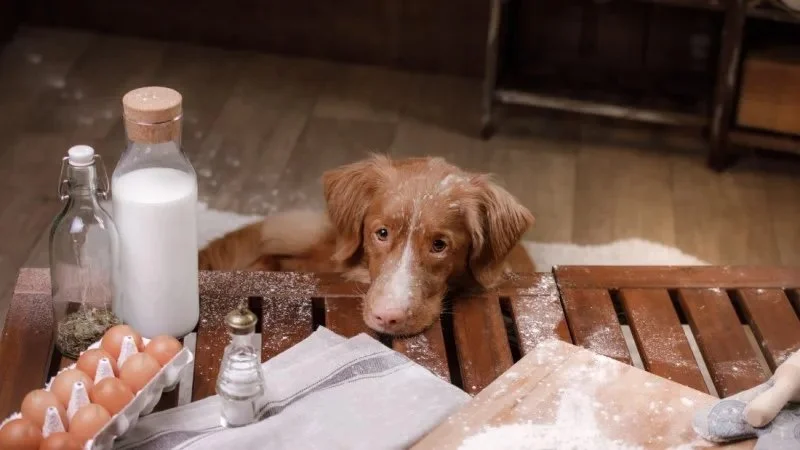
It’s no secret that certain foods that are perfectly safe for humans can be toxic to pets. Chocolate, grapes, raisins, onions, and garlic are among the most dangerous foods for pets, particularly dogs. Even small amounts can lead to serious health problems like kidney failure or gastrointestinal issues. Always keep these items out of your pet’s reach, and make sure family members are aware of the risks.
2.2. Cleaning Products
Many common household cleaning products, such as bleach, ammonia, and disinfectants, are highly toxic to pets. These substances can cause chemical burns, respiratory problems, or even death if ingested or inhaled. It’s essential to store cleaning products securely in cabinets that are inaccessible to pets and to use pet-safe cleaning alternatives whenever possible.
2.3. Plants and Flowers
While plants can add beauty to your home, some plants are toxic to pets. Lilies, poinsettias, and azaleas, for example, can cause severe reactions in cats and dogs if they are ingested. Before introducing any new plants into your home, make sure to check whether they are safe for pets, and avoid placing them in areas where your pet can reach them.
2.4. Medications
Prescription and over-the-counter medications intended for humans can be highly toxic to pets. Common pain relievers like ibuprofen, aspirin, and acetaminophen (Tylenol) can be fatal to animals. It’s crucial to store all medications in a safe, pet-proof location and never administer human medications to your pet without consulting your veterinarian.
2.5. Pest Control Products
Flea treatments, rodent poisons, and insecticides are often necessary to protect your home from pests, but they can be extremely dangerous to pets. Many of these products contain chemicals that can cause vomiting, diarrhea, seizures, or even death if ingested. Always use pet-safe pest control products and keep your pets away from treated areas until it is safe.
3. How to Prevent Pet Poisoning
Preventing pet poisoning starts with being aware of the risks and taking steps to minimize exposure. Here are some effective ways to protect your pet from household poisons:
3.1. Pet-Proof Your Home
Just as you would baby-proof your home for a young child, it’s essential to pet-proof your living space. This involves securing toxic items in cabinets with childproof locks, keeping harmful foods out of reach, and being mindful of where you place plants, medications, and cleaning supplies. Think about where your pet spends most of their time and make sure there are no accessible hazards in those areas.
3.2. Educate Family and Friends
Educating everyone in your household, as well as any visitors, about the potential dangers to your pets is crucial. For instance, remind guests not to feed your pets human food, and make sure they know where your pet-safe cleaning products are stored. Proper communication ensures that everyone takes part in keeping your pet safe.
3.3. Use Pet-Safe Alternatives
Whenever possible, choose pet-safe alternatives to common household items. For example, opt for natural cleaning products or pet-safe plants to reduce the risk of poisoning. There are also specialized pet-safe pest control products that are effective without posing a danger to your pets. Look for these options in stores or online to make your home safer.
3.4. Regular Vet Check-Ups
Keeping your pet healthy through regular vet check-ups is also a key part of preventing poisoning. If your pet is healthy, they are better equipped to recover from any accidental ingestion of toxic substances. Regular vet visits allow for early detection of health issues and keep your pet in optimal condition.
4. What to Do If Your Pet Ingests Poison
Accidents happen, and sometimes pets may ingest something toxic. In these cases, quick action is essential to minimize harm. Here’s what you should do if you suspect your pet has ingested poison:
4.1. Stay Calm and Assess the Situation
Keep calm and try to determine what your pet has ingested, how much, and when. If you know the substance, check the packaging or online resources for any immediate treatment suggestions. If your pet is exhibiting signs of distress, such as vomiting, excessive drooling, or difficulty breathing, it’s time to take action.
4.2. Contact Your Veterinarian or Poison Control
Call your veterinarian immediately, or contact an emergency pet poison hotline. If you’re unsure about the severity of the situation, it’s always best to err on the side of caution and seek professional advice. Having the product or a description of what your pet ingested will help your vet provide the best possible care.
4.3. Follow Professional Instructions
Depending on the type of poison, your vet may suggest bringing your pet in for treatment, such as inducing vomiting, administering activated charcoal, or providing intravenous fluids. Follow their instructions carefully to ensure the best outcome for your pet.
5. Brothers Pets Recommendations
At Brothers Pets, we understand how important your pet's safety and well-being are. That’s why we offer a wide range of pet-safe products to help keep your home and your furry friends safe. From natural cleaning supplies to pet-proofing products and health supplements, we have everything you need to protect your pets from household poisons. Visit our website for more information and recommendations on pet safety.




 Andrews Square Pet Clinic4.0 (22 reviews)
 Jeremiah Pouncy0.0 (0 reviews)
 Chenango Animal Hospital: Gaylord Maureen DVM4.0 (8 reviews)
 Veterinary Care Center4.0 (479 reviews)
 Dr. Perkins4.0 (7 reviews)
 Studio City Animal Hospital4.0 (368 reviews)
 Benefits of Omega-3 Fatty Acids for Pets: Improve Health and Wellness
 How to Recognize and Treat Hyperthyroidism in Cats
 The Importance of Regular Grooming for Your Pet
 How to Safely Clean Your Pet’s Ears and Prevent Infections: A Step-by-Step Guide
 How to Train Your Pet to Be Comfortable with Veterinary Visits – A Step-by-Step Guide
 Top 9 Tips for Pet Training That Actually Work