
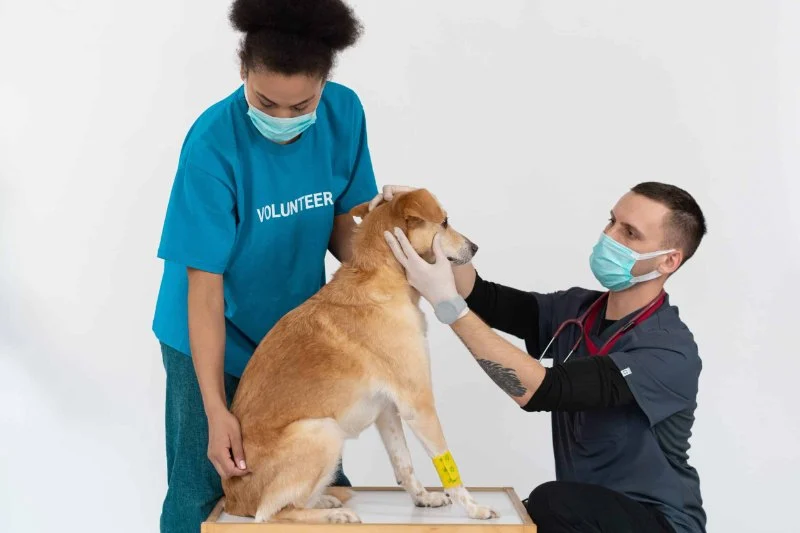
- 1. The Importance of Regular Veterinary Visits
- 2. Why Pets Are Often Anxious About Vet Visits
- 3. Steps to Train Your Pet to Be Comfortable with Veterinary Visits
- 4. Creating Positive Associations with the Vet
- 5. Common Challenges and How to Overcome Them
1. The Importance of Regular Veterinary Visits
Regular veterinary visits are essential for maintaining your pet's health. These check-ups help identify potential health issues early, keep vaccinations up to date, and ensure your pet receives proper care throughout their life. However, many pets experience stress or anxiety when it's time to visit the vet, making it more challenging for both owners and animals alike.
Training your pet to feel comfortable during these visits is a crucial step in making sure that they not only receive the necessary medical care but also maintain a good relationship with the vet. By reducing their fear, you can make the process smoother for everyone involved.
2. Why Pets Are Often Anxious About Vet Visits
There are several reasons why pets can feel anxious about going to the vet. For one, the vet's office is filled with unfamiliar smells, sounds, and people, which can be overwhelming for a sensitive animal. Additionally, if a pet has had negative experiences at the vet, such as being restrained or undergoing painful procedures, they may associate the vet’s office with discomfort or fear.
For many pets, car rides themselves can be stressful, especially if they only go to the vet during trips. It’s important to understand that this anxiety is not a sign of bad behavior, but rather a natural response to an unfamiliar environment. By starting early and using positive reinforcement, you can help your pet feel more comfortable and reduce their fear of the vet.
3. Steps to Train Your Pet to Be Comfortable with Veterinary Visits
Training your pet to feel comfortable with veterinary visits involves a series of steps that can gradually desensitize them to the environment and the experience. Here’s a breakdown of the process:
1. Start with Short, Positive Visits
Begin by visiting the vet’s office without an actual appointment. Walk into the building, say hello to the staff, and leave. This helps your pet associate the vet’s office with positive experiences, without the pressure of a medical exam. Over time, these brief, calm visits can help reduce fear and anxiety.
2. Use Familiarization and Desensitization
Bring your pet into the office during quieter times and let them explore the environment. Let them sniff the different rooms, meet friendly staff members, and get used to the sounds of other animals. By familiarizing your pet with these elements slowly, they will be less likely to feel anxious when it’s time for an actual visit.
3. Practice Car Rides
If your pet experiences anxiety during car rides, start by taking them on short trips to places they enjoy. Gradually work your way up to longer trips, including visits to the vet’s office. The key is to make the car ride a routine part of their life, so they don’t associate it only with stressful situations like vet visits.
4. Reward Positive Behavior
Throughout the training process, it’s important to reward your pet for calm behavior. This can include praise, petting, or treats. Positive reinforcement helps your pet understand that there is no need to be afraid of the vet’s office, as good things come from these experiences.
4. Creating Positive Associations with the Vet
Creating positive associations with the vet’s office is essential in ensuring that your pet no longer views it as a negative experience. Here are some tips for reinforcing positive feelings about the vet:
1. Bring Your Pet’s Favorite Toys or Treats
Bringing a familiar toy or a special treat can make the experience more comforting for your pet. This allows them to feel secure and distracted during the visit, especially during procedures that might cause discomfort.
2. Build a Relationship with the Vet
If possible, allow your pet to become familiar with their veterinarian. Frequent visits and gentle handling by the vet staff help to build trust. A vet who speaks calmly and handles your pet with care can make a huge difference in your pet’s experience.
3. Stay Calm Yourself
Your pet can pick up on your emotions, so staying calm and relaxed during the visit can help them feel more at ease. Speak in soothing tones and avoid showing signs of stress or frustration. This creates an environment where your pet can feel safe and secure.
5. Common Challenges and How to Overcome Them
Despite your best efforts, you may face some challenges when training your pet to be comfortable with vet visits. Here are some common issues and tips for overcoming them:
1. Pet Fear or Aggression
If your pet displays fear or aggression during visits, it’s important to stay patient. Consult with a professional animal behaviorist who can help with more intensive training. Some pets may need extra time to adjust, and addressing behavior issues early on is key to preventing long-term anxiety.
2. Inconsistent Training
Inconsistency can make it difficult for your pet to learn positive behaviors. Make sure to practice regularly, even when you don’t have a vet appointment. The more often your pet is exposed to positive experiences, the more likely they are to adjust to future visits.
3. Lack of Socialization
If your pet isn’t used to being around other animals, the vet’s office can be overwhelming. Gradually introduce your pet to social situations, such as visits to pet-friendly parks or classes, so they learn to handle the presence of other animals calmly.






 Vetco Vaccination Clinic4.0 (21 reviews)
 Eastside Animal Health Center4.0 (349 reviews)
 VEG ER for Pets4.0 (729 reviews)
 onlinetropicalfish.com5.0 (3 reviews)
 Three Oaks Veterinary Wellness Center4.0 (321 reviews)
 PetVet Vaccination Clinic4.0 (6 reviews)
 Understanding Canine Hip Health and Exercise Needs: Key Insights
 How to Spot and Treat Hot Spots on Dogs
 How to Clean Your Cat’s Ears Safely at Home: A Step-by-Step Guide
 How to Deal with Pet Allergies in a Multi-Pet Household
 How to Help Your Pet Cope with Noise Phobias: Practical Tips for a Stress-Free Life
 How to Prevent Dog Bites and Cat Scratches: Safety Tips for Families