
- - Understanding Noise Phobias in Pets
- - Why Do Pets Develop Noise Phobias?
- - Effective Strategies to Help Your Pet Cope with Noise Phobias
- - Products and Tools to Reduce Pet Anxiety
- - Real-Life Success Stories: Helping Pets Overcome Noise Anxiety
Understanding Noise Phobias in Pets
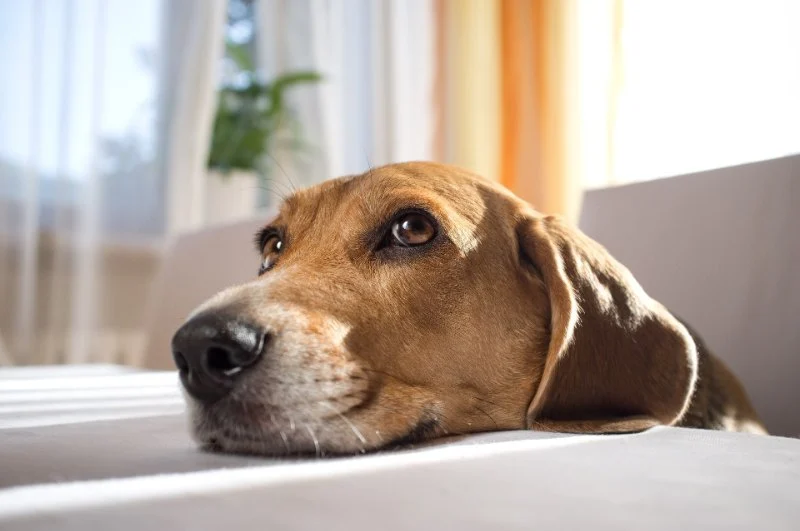
Noise phobia in pets, especially dogs and cats, is a common issue that many pet owners face. It is characterized by a heightened fear response to certain sounds, such as thunderstorms, fireworks, or even loud appliances. This anxiety can result in pets exhibiting destructive behaviors, excessive barking, hiding, trembling, and even self-harming in extreme cases.
Just like humans, pets can experience different levels of fear and stress, and noise phobias can significantly affect their quality of life. Left unaddressed, these phobias can lead to long-term behavioral problems and a strained relationship between pets and their owners. Understanding how noise phobias develop and the signs of distress is the first step toward helping your pet feel more secure during noisy events.
Why Do Pets Develop Noise Phobias?
The causes of noise phobias in pets are varied, and each case may be unique. However, several common factors contribute to the development of these fears:
1. Traumatic Experiences
Pets who have had negative experiences with loud noises in their early life may develop a lasting fear. For instance, a dog that has been startled or frightened by a thunderstorm or fireworks may begin to associate all loud noises with danger. These traumatic events can imprint fear deeply in a pet's memory.
2. Genetic Factors
Some breeds are more prone to anxiety and noise sensitivity. Dogs like Greyhounds, Collies, and some terriers are more likely to develop noise phobias. While genetics play a role, it doesn’t mean that noise phobia is inevitable for pets in these breeds—early training and socialization can help mitigate the issue.
3. Lack of Socialization
Puppies and kittens that are not exposed to a variety of sounds during their formative months may become more fearful of unfamiliar noises. Proper exposure to different environments and sounds can help them become more resilient and less reactive to loud or sudden noises in adulthood.
Effective Strategies to Help Your Pet Cope with Noise Phobias
If your pet is struggling with noise phobias, there are several strategies you can implement to help ease their anxiety and manage their fear response. While each pet is different, a combination of behavioral training, desensitization, and environmental changes can help your pet feel more comfortable.
1. Desensitization and Counter-Conditioning
One of the most effective ways to help a pet cope with noise phobias is through desensitization and counter-conditioning. This method involves gradually exposing your pet to the feared sound at a low volume and rewarding them with treats or praise for remaining calm. Over time, you can increase the volume of the sound as your pet learns that there is no danger associated with it.
For example, if your dog is afraid of thunderstorms, start by playing a recording of thunder at a low volume while your dog is engaged in a positive activity, such as eating or playing. Gradually increase the volume over days or weeks, making sure to reward calm behavior.
2. Creating a Safe Space
During loud events like thunderstorms or fireworks, create a calm and safe environment for your pet. A quiet room or space with their bed, favorite toys, and a comforting scent can help them feel more secure. You may also consider using blackout curtains to reduce the visual impact of the storm or fireworks and prevent your pet from feeling overwhelmed.
3. Anxiety-Reducing Products
There are various products available that can help reduce anxiety in pets during noisy events. These include calming collars, anxiety wraps, and pheromone diffusers, which release scents that have a calming effect on pets. Additionally, there are calming supplements that contain ingredients like L-theanine or valerian root, which can help reduce stress in pets.
Products and Tools to Reduce Pet Anxiety
There are several products designed to help pets with anxiety, especially when dealing with noise phobias. Some of the most popular options include:
1. Thundershirts and Anxiety Wraps
Thundershirts are wearable garments that apply gentle, consistent pressure to a pet’s body, which can have a calming effect. These anxiety wraps help reduce the symptoms of noise phobia by providing a sense of security, much like swaddling an infant. Many pet owners have found Thundershirts to be effective in reducing anxiety during storms or fireworks.
2. Calming Pheromone Diffusers
Pheromone diffusers, such as Adaptil, release calming pheromones that mimic the natural scents released by a mother dog to comfort her puppies. These diffusers can be plugged into a room to create a calming environment for your pet, helping them feel more relaxed during stressful situations.
3. Sound Therapy
Sound therapy tools, such as calming music or white noise machines, can also help drown out external sounds that trigger anxiety. Playing calming music specifically designed for pets can create a soothing atmosphere, helping to alleviate fear and anxiety during loud events.
Real-Life Success Stories: Helping Pets Overcome Noise Anxiety
Many pet owners have successfully helped their pets cope with noise phobias through consistent training and the use of calming products. For example, Sarah, a dog owner, shared how she used a combination of desensitization and a Thundershirt to help her dog, Max, overcome his fear of thunderstorms:
“Max used to shake uncontrollably during storms, and it was heartbreaking to watch. After using sound therapy to gradually get him used to the sound of thunder and putting him in his safe space with his Thundershirt, he’s much more relaxed now. He still gets nervous, but he’s no longer panicking like he used to.”
Similarly, John, a cat owner, found success with calming pheromones for his cat, Bella, who was terrified of fireworks:
“Bella would hide under the bed and refuse to come out whenever there was a loud noise. After using a pheromone diffuser during the summer months, she’s much more at ease, and we can even be near the fireworks without her running off to hide. It’s been a game-changer.”
If your pet struggles with noise phobias, there are a variety of tools and strategies you can use to help them feel safer and more comfortable. It takes patience, but with the right approach, you can help your pet overcome their fears and enjoy a more peaceful life.
For a wide range of products to help ease your pet’s anxiety, check out Brothers Pets, where you’ll find calming treats, Thundershirts, and other solutions tailored to your pet’s needs.



 South Jefferson Veterinary Hospital4.0 (161 reviews)
 PetVet Vaccination Clinic0.0 (0 reviews)
 VCA ANIMAL HOSPITAL BY FOXON4.0 (4 reviews)
 Animal Care Clinic4.0 (216 reviews)
 Four Paws Veterinary Clinic, SC4.0 (138 reviews)
 Contra Costa Spay & Neuter4.0 (43 reviews)
 How to Keep Your Pet Safe from Household Hazards - Brothers Pets
 What Every Pet Owner Should Know About Pet Adoption
 How to Prevent and Treat Skin Dryness and Itchiness in Pets
 Signs of Allergic Reactions to Vaccines in Pets
 Understanding Canine Diabetes and Dietary Needs | Managing Your Dog’s Health
 How to Provide Comfort and Care for Your Pet During Illness: Essential Tips for Pet Owners