
How to Keep Your Pet Safe from Household Hazards
- 1. Identifying Common Household Hazards
- 2. Pet-Proofing Your Home
- 3. Toxic Substances to Avoid
- 4. Household Objects That Pose Risks to Pets
- 5. Real-Life Stories of Pet Safety in the Home
- 6. How Brothers Pets Can Help You Protect Your Pet
1. Identifying Common Household Hazards
Our homes are filled with items that could potentially be dangerous to our pets, whether they are cats, dogs, or other animals. The first step in protecting your pet from harm is to identify potential hazards. Some common household dangers include:
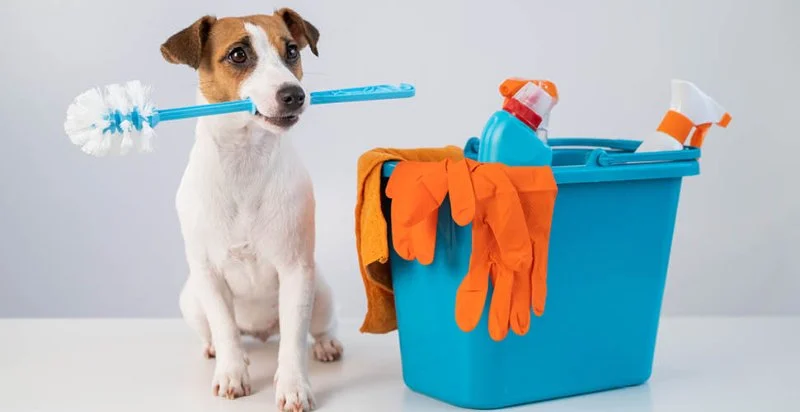
• Chemical Cleaners: Cleaning supplies such as bleach, ammonia, and disinfectants can be toxic to pets if ingested or inhaled. Even a small amount can cause serious harm.
• Electrical Cords: Pets, especially puppies and kittens, are naturally curious and may chew on cords, which can lead to electric shocks or burns.
• Sharp Objects: Knives, scissors, and even glass items can pose a risk to pets, either through accidental cuts or ingestion.
• Small Toys and Objects: Small items like rubber bands, buttons, and coins can be a choking hazard for pets, especially for those with a tendency to chew or swallow things.
2. Pet-Proofing Your Home
Pet-proofing your home is one of the most effective ways to prevent accidents and injuries. Here are some practical steps to take:
• Secure Toxic Items: Store cleaning products, medications, and other hazardous materials in cabinets that are out of reach or use childproof locks to keep them safely contained.
• Hide Electrical Cords: Use cord protectors or reroute electrical cords out of your pet’s reach. For pets that tend to chew, consider using taste deterrents on cords to make them unappealing.
• Use Pet-Friendly Furniture: Opt for furniture that is less likely to cause injury, such as soft, rounded edges and sturdy materials that won’t break easily when knocked over.
• Install Baby Gates: To prevent your pet from accessing dangerous areas like kitchens or stairways, install baby gates to restrict their movement.
3. Toxic Substances to Avoid
There are numerous substances in the home that can be toxic to pets, and being aware of them can help you protect your furry friend:
• Chocolate: Chocolate contains theobromine, which is toxic to both dogs and cats. Even small amounts can cause vomiting, diarrhea, or more severe reactions.
• Plants: Certain houseplants, such as lilies, azaleas, and poinsettias, can be harmful if ingested by pets. Always double-check which plants are safe before bringing them into your home.
• Household Medications: Common over-the-counter medications for humans, like ibuprofen and acetaminophen, can cause serious harm to pets if ingested. Always keep them in a secure cabinet.
• Essential Oils: Many essential oils, like tea tree, eucalyptus, and peppermint, are toxic to pets when ingested or inhaled. Be sure to use them with caution around pets.
4. Household Objects That Pose Risks to Pets
In addition to toxic substances, everyday household objects can pose risks to your pets. Here’s how to keep them safe:
• Plastic Bags: While they may seem harmless, plastic bags can be a suffocation hazard, especially for cats and small dogs. Always dispose of them immediately after use.
• Rubber Bands and Hair Ties: These small objects are a common choking hazard, especially for curious pets that love to chew. Keep these items stored away from pets.
• Small Household Items: Items like paper clips, hairpins, and coins can easily be swallowed by pets, leading to choking or digestive issues. Store these items in drawers or containers where pets can’t reach them.
5. Real-Life Stories of Pet Safety in the Home
One pet owner shared their story of how their dog managed to chew through an electrical cord, leading to a frightening electric shock. Luckily, the dog survived, but it was a wake-up call that led them to pet-proof their home by hiding all electrical cords and using protective covers. They also invested in safer furniture and locked away any potentially dangerous chemicals in childproof cabinets.
Another story involved a cat that swallowed a small rubber ball, which led to a trip to the vet. The vet had to perform surgery to remove the object, but the cat fully recovered. This incident prompted the owner to clean up their home of small toys and start using pet-friendly, non-toxic playthings only.
6. How Brothers Pets Can Help You Protect Your Pet
At Brothers Pets, we understand the importance of keeping your pet safe from household hazards. We offer a variety of pet-proofing products, such as safety gates, pet-safe cleaning supplies, and protective covers for furniture and electrical cords. Visit our website to find the best products to make your home safer for your furry companions.





 Parkview Veterinary Center4.0 (193 reviews)
 Twin Pines Equine Vet Services5.0 (18 reviews)
 Northgate Veterinary Clinic4.0 (365 reviews)
 Petco4.0 (901 reviews)
 Aquarium Solutions 1014.0 (87 reviews)
 Travelers Rest Animal Hospital4.0 (944 reviews)
 What You Need to Know About Pet Insurance: Choosing the Right Plan
 How to Manage Pet Allergies to Food or Environmental Triggers
 How to Safely Clean Your Pet’s Ears and Prevent Infections: A Step-by-Step Guide
 Tips for Maintaining Proper Hydration in Dogs: Essential Care for Your Pet
 Top 12 Tips for Pet Diseases Prevention and Care
 How to Keep Your Pet Safe from Household Hazards - Brothers Pets