
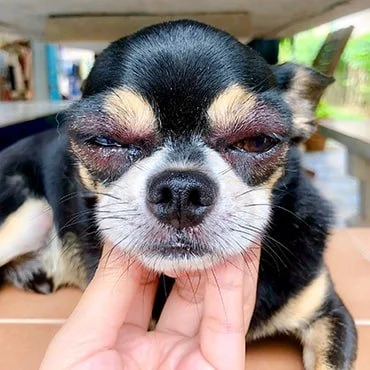
- Introduction to Allergic Reactions in Pets
- Common Symptoms of Allergic Reactions to Vaccines
- Less Common, but Serious Symptoms
- What to Do if Your Pet Shows Signs of an Allergic Reaction
- How to Prevent Allergic Reactions in Pets
- Conclusion: Keeping Your Pet Safe
Introduction to Allergic Reactions in Pets
Vaccines are a critical part of maintaining the health of your pet, protecting them from serious diseases like rabies, parvovirus, and distemper. However, just as humans can have allergic reactions to vaccines, pets can also experience similar reactions, which may range from mild to severe. It’s important for pet owners to recognize the signs of an allergic reaction, so they can take the proper steps to ensure their pet’s well-being.
This article will cover common and less common allergic reactions to vaccines in pets, how to identify these reactions, and the best course of action for treatment and prevention.
Common Symptoms of Allergic Reactions to Vaccines
Allergic reactions to vaccines in pets typically occur shortly after receiving the vaccine. The following symptoms are common signs of an allergic reaction:
- Swelling at the Injection Site: A small, localized swelling at the injection site is a common reaction that may subside within a few hours.
- Itchy Skin or Rash: Some pets may develop an itchy rash or hives on their skin, especially around the face, ears, or neck.
- Vomiting or Diarrhea: Allergic reactions can upset your pet’s stomach, causing them to vomit or have diarrhea.
- Lethargy: After vaccination, some pets may feel tired or lethargic, which can be a normal reaction to the body’s immune response.
- Fever: Mild fever may also accompany an allergic response as the body’s immune system reacts to the vaccine.
While these symptoms can be concerning, they are often temporary and resolve within a few hours to a day. However, if your pet shows persistent or worsening symptoms, it is important to contact your veterinarian immediately.
Less Common, but Serious Symptoms
In some cases, allergic reactions can be more severe, potentially leading to anaphylaxis, a life-threatening condition. Symptoms of a severe allergic reaction include:
- Difficulty Breathing: Rapid or labored breathing may indicate a severe allergic reaction, which can be life-threatening and requires immediate veterinary care.
- Swelling of the Face or Throat: If your pet’s face, lips, or throat swell significantly, this could restrict airflow and lead to choking.
- Collapsing or Fainting: Severe allergic reactions can cause your pet to collapse or faint due to low blood pressure or difficulty breathing.
- Severe Vomiting or Diarrhea: If vomiting and diarrhea are persistent and severe, it could lead to dehydration and more serious health issues.
If you notice any of these signs, it is critical to seek emergency veterinary assistance right away. Anaphylaxis requires immediate intervention with medications like epinephrine to reverse the symptoms.
What to Do if Your Pet Shows Signs of an Allergic Reaction
It’s essential to take prompt action if you suspect that your pet is having an allergic reaction to a vaccine. Here are the steps to follow:
- Contact Your Veterinarian: If you notice mild symptoms like swelling or lethargy, call your veterinarian for advice. For severe symptoms, seek emergency care immediately.
- Monitor Your Pet: Keep a close eye on your pet’s condition. If their symptoms worsen or they exhibit signs of severe discomfort, take them to the vet right away.
- Provide a Calm Environment: If your pet is showing signs of distress, create a quiet and comfortable space for them to rest while awaiting treatment.
- Follow Veterinary Instructions: If your vet recommends a follow-up visit or treatment, ensure you follow their instructions carefully to prevent future reactions.
How to Prevent Allergic Reactions in Pets
While it’s not always possible to prevent allergic reactions to vaccines, there are a few strategies that may reduce the likelihood of an adverse response:
- Work with a Trusted Veterinarian: Discuss your pet’s medical history with your veterinarian before administering any vaccine. They can help determine which vaccines are necessary and the best schedule for your pet.
- Consider Vaccine Alternatives: If your pet has had previous allergic reactions to certain vaccines, talk to your vet about using alternatives or adjusting the vaccine schedule.
- Pre-Treatment for High-Risk Pets: In some cases, your vet may administer medications like antihistamines or corticosteroids before vaccination to help prevent allergic reactions.
Regular veterinary checkups and a personalized vaccination plan are key components of your pet’s health. Keeping an open line of communication with your vet ensures that your pet’s vaccinations are managed safely.
Conclusion: Keeping Your Pet Safe
Vaccines are essential for protecting your pet from serious diseases, but it’s important to stay vigilant for any signs of allergic reactions. Understanding the symptoms, taking quick action, and working with your veterinarian to prevent future issues will ensure that your pet stays happy and healthy. If you’re looking for quality pet care products or services, visit Brothers Pets to find the best options available for your pet’s needs.



 Veterinary Outpatient Treatment Center4.0 (150 reviews)
 Animal Hospital of Martinsville4.0 (348 reviews)
 All Seasons Veterinarian Practice0.0 (0 reviews)
 Ragdolls Totally Terrific5.0 (1 reviews)
 Dr. Roger D. Beam4.0 (83 reviews)
 Veterinary Medical Center4.0 (81 reviews)
 How to Train Your Pet to Be Comfortable with Veterinary Visits – A Step-by-Step Guide
 How Often Should You Brush Your Dog’s Teeth? Essential Tips for Pet Dental Care
 How to Recognize and Treat Skin Allergies in Cats: Expert Tips for Pet Owners
 The Ultimate Guide to Safe Dog Toys for Chewers: Durable & Non-Toxic Options
 How to Spot and Treat Endocrine Disorders in Pets
 Understanding Cat Obesity: Health Risks and Prevention Tips