
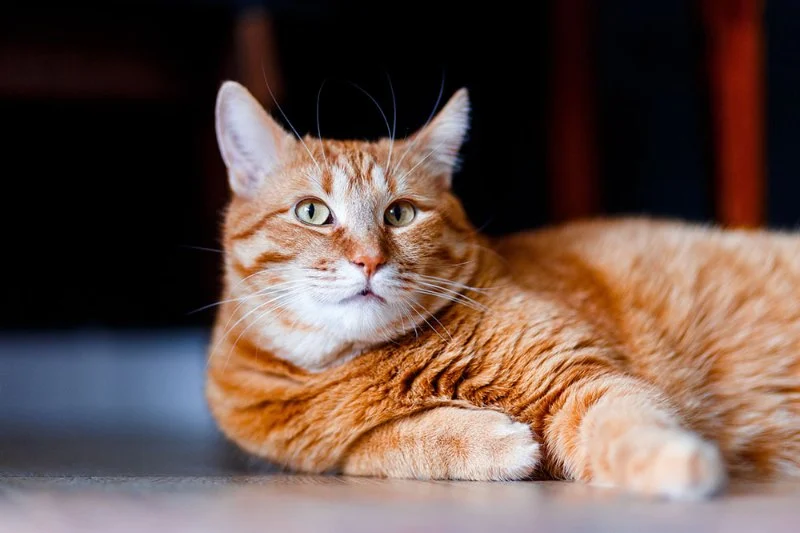
1. What is Feline Obesity and Why Is It a Concern?
Feline obesity is a growing concern in the United States, with more and more cats being classified as overweight or obese. Obesity in cats is defined as having excess body fat, typically over 20% of their ideal weight. This condition is not just about appearance—it poses significant health risks that can affect your cat’s quality of life. If left untreated, obesity can lead to several serious health issues, reducing your cat’s lifespan and making them prone to chronic conditions.
2. Health Risks Associated with Obesity in Cats
Just like in humans, feline obesity can lead to a variety of health problems. Here are some of the key risks associated with overweight cats:
- Diabetes: Obesity is a major risk factor for feline diabetes. Excess fat can interfere with the body’s ability to use insulin properly, leading to high blood sugar levels and other complications.
- Joint Problems: Extra weight puts additional strain on your cat's joints, which can lead to arthritis and reduced mobility. This is particularly concerning for older cats who are already prone to joint issues.
- Heart Disease: Obesity increases the risk of heart disease in cats, as the heart has to work harder to pump blood throughout the body, especially when excess fat builds up around the organs.
- Liver Disease: Cats with obesity are at risk of developing fatty liver disease, a condition where fat accumulates in the liver, impairing its function and leading to further complications.
3. How to Determine If Your Cat is Overweight
As a pet owner, it’s important to recognize when your cat might be overweight. The first step in preventing obesity is identifying whether your cat is at a healthy weight. Some signs of obesity in cats include:
- Visible Fat Deposits: Look for noticeable fat around the abdomen, chest, and face. In obese cats, the ribs and spine may be difficult to feel under the skin.
- Reduced Activity: Overweight cats may be less active, sleeping more often or avoiding physical activities they previously enjoyed.
- Difficulty Grooming: Obese cats often have trouble grooming themselves properly due to limited flexibility.
If you're unsure, it's always a good idea to schedule a vet visit. Your veterinarian can perform a thorough check-up and provide an accurate assessment of your cat’s weight and health.
4. How to Prevent and Manage Obesity in Cats
Managing your cat’s weight is crucial for preventing the health risks associated with obesity. Here are some essential tips for keeping your cat at a healthy weight:
- Monitor Their Diet: Feeding your cat a balanced, portion-controlled diet is one of the most effective ways to prevent obesity. Ensure that you're feeding them the right type of food for their age, size, and activity level.
- Limit Treats: Treats should not account for more than 10% of your cat’s daily caloric intake. Be mindful of how many treats you're giving, and choose healthier alternatives if possible.
- Encourage Play and Exercise: Regular exercise is essential to maintaining a healthy weight. Engage your cat in play with interactive toys such as laser pointers, feather wands, or puzzle feeders that encourage movement.
5. Choosing the Right Diet for Overweight Cats
Choosing the right diet is crucial when managing a cat's weight. Some types of food are designed specifically for weight loss or weight management, offering fewer calories but still providing the necessary nutrients. Here are some dietary considerations:
- High-Protein, Low-Carb Diet: Cats are obligate carnivores, meaning their diet should be rich in animal-based protein. A high-protein, low-carbohydrate diet can help cats maintain muscle mass while promoting fat loss.
- Prescription Diets: If your cat is severely overweight, your vet may recommend a prescription diet formulated for weight management. These diets are specially designed to help your cat lose weight safely and effectively.
- Portion Control: Measure your cat's food to ensure they are eating the right amount based on their ideal weight. Avoid free feeding, which can lead to overeating.
6. Case Study: Managing Obesity in a Senior Cat
Meet Bella, a 12-year-old domestic shorthair cat who had been steadily gaining weight over the years. Bella’s owner, Sarah, noticed that Bella was less active, often sleeping for long hours and struggling to jump onto her favorite spots. A visit to the vet revealed that Bella had gained 30% of her ideal body weight, putting her at risk for diabetes and joint issues.
To help Bella, Sarah worked with her vet to create a weight loss plan that included a high-protein, low-carb diet and an exercise regimen that involved shorter, more frequent play sessions. Over six months, Bella gradually lost weight, regained her energy, and began to move more freely. With consistent effort and a balanced diet, Sarah was able to help Bella achieve a healthier weight and improve her overall quality of life.
7. How Brothers Pets Can Help with Feline Obesity
If you're concerned about your cat’s weight, Brothers Pets offers a wide variety of products to support your cat’s health and well-being. From specialized weight management foods to interactive toys and feeding tools, we provide everything you need to help your cat achieve and maintain a healthy weight. Check out our selection to find the best products for your cat’s needs.
8. Conclusion: The Importance of Maintaining a Healthy Weight for Your Cat
Feline obesity is a serious health concern that can lead to a variety of chronic conditions, but with proper management, it can be prevented or reversed. By recognizing the signs of obesity, adjusting your cat’s diet, encouraging regular exercise, and seeking veterinary advice, you can help your cat live a longer, healthier life. Remember, weight management is an ongoing commitment, but the benefits to your cat’s health and happiness are well worth the effort.






 VCA Champions Northwest Animal Hospital4.0 (155 reviews)
 Jackson's Veterinary Services4.0 (39 reviews)
 The Spay & Neuter Center of New Jersey4.0 (419 reviews)
 Riverside Veterinary Clinic4.0 (356 reviews)
 Quarryville Veterinary Center4.0 (17 reviews)
 For Pet's Sake4.0 (623 reviews)
 What Every Pet Owner Should Know About Pet Behavior – A Practical Guide
 What Every Pet Owner Should Know About Pet Safety: Essential Tips for Protecting Your Furry Friends
 Top 10 Tips for Pet Mental Health That Every Owner Should Know
 Maintaining Healthy Weight for Indoor Cats: Essential Tips
 How to Spot and Treat Canine Hip Dysplasia: A Comprehensive Guide
 The Dos and Don'ts of Veterinary Advice: Protecting Your Pet with Confidence