
- 1. Understanding Canine Hip Dysplasia
- 2. Recognizing the Symptoms of Hip Dysplasia in Dogs
- 3. Diagnosing Hip Dysplasia in Dogs
- 4. Treatment Options for Canine Hip Dysplasia
- 5. Real-Life Examples of Hip Dysplasia Treatment
- 6. Why Trust Our Recommendations at Brothers Pets
1. Understanding Canine Hip Dysplasia
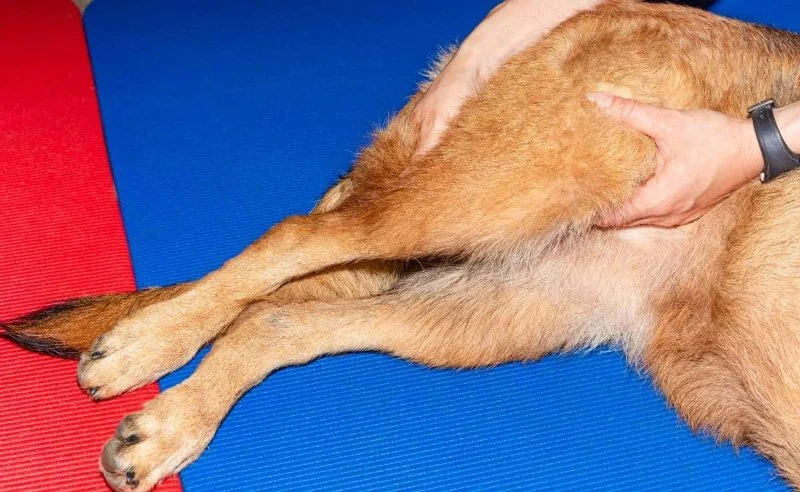
Canine hip dysplasia (CHD) is a common but serious condition that affects many dogs, especially larger breeds. It occurs when the ball-and-socket joint in the hip does not develop properly, leading to instability, pain, and eventually arthritis. The condition is genetic but can also be influenced by environmental factors like diet, exercise, and weight. It is important for dog owners to recognize early signs of CHD so that treatment can begin before the condition worsens.
2. Recognizing the Symptoms of Hip Dysplasia in Dogs
The symptoms of canine hip dysplasia can vary depending on the severity of the condition. Some of the most common signs to watch for include:
- Limping or lameness: This can be especially noticeable after exercise or when the dog has been resting.
- Difficulty standing or walking: Dogs with hip dysplasia may struggle to rise from a sitting or lying position.
- Limited range of motion: The dog may have trouble jumping, running, or performing regular activities.
- Arthritis: Over time, untreated hip dysplasia can lead to arthritis, causing chronic pain and stiffness.
- Grinding sounds or stiffness: When moving, you may notice your dog making unusual sounds or appearing stiff in their movements.
3. Diagnosing Hip Dysplasia in Dogs
If you notice any of the symptoms mentioned above, it is essential to take your dog to a veterinarian for an evaluation. The vet will conduct a physical examination to check for signs of discomfort, instability, or abnormal movements in the hips. The most accurate way to diagnose hip dysplasia is through X-rays, which allow the vet to assess the degree of joint damage. Early diagnosis can make a significant difference in your dog’s treatment plan and overall quality of life.
4. Treatment Options for Canine Hip Dysplasia
There are several treatment options available for dogs diagnosed with hip dysplasia, depending on the severity of the condition and the dog’s overall health. These treatments can range from non-surgical methods to surgical interventions:
- Weight management: Maintaining a healthy weight is crucial in reducing the strain on the hips and joints. A well-balanced diet and regular exercise can help manage the condition.
- Physical therapy: Rehab exercises, swimming, and other forms of low-impact activity can strengthen the muscles around the hip joint, improving mobility and comfort.
- Medications: Pain relief medications such as non-steroidal anti-inflammatory drugs (NSAIDs) or joint supplements (like glucosamine) can help manage pain and inflammation.
- Surgical options: In severe cases, surgery may be necessary. Options include hip replacement surgery or a procedure called femoral head osteotomy (FHO), which removes the head of the femur to alleviate pain.
5. Real-Life Examples of Hip Dysplasia Treatment
Consider the case of Max, a 5-year-old Labrador retriever. Max had been struggling with limping and difficulty walking for several months. After visiting the vet, X-rays confirmed that he had hip dysplasia. His treatment involved a combination of physical therapy, weight management, and joint supplements. Over the course of a few months, Max showed significant improvement, and although he still had some limitations, he was able to live a more active life without the need for surgery.
Another example involves Bella, a German Shepherd who was diagnosed with severe hip dysplasia at an early age. After an unsuccessful attempt at conservative treatment, her owner opted for hip replacement surgery. The surgery, though expensive, greatly improved Bella’s mobility and reduced her pain, allowing her to live a more comfortable life. These cases demonstrate the importance of early diagnosis and the variety of treatment options available.
6. Why Trust Our Recommendations at Brothers Pets
At Brothers Pets, we understand how important your pet’s health is to you. Our platform offers trusted recommendations for products, services, and treatments to help manage canine hip dysplasia effectively. We provide expert insights and carefully curated resources to help you make informed decisions about your dog’s care. Whether you are seeking joint supplements, pain management options, or recommendations for veterinary care, you can rely on our guidance to ensure the best for your furry friend.




 Five Elements Veterinary Alternatives4.0 (162 reviews)
 Kinnicroix & River Falls Vet4.0 (54 reviews)
 Town & Country Veterinary Clinic4.0 (306 reviews)
 PetVet Vaccination Clinic0.0 (0 reviews)
 Southern Hills Veterinary Hospital4.0 (111 reviews)
 Ozone Park Animal Clinic4.0 (110 reviews)
 How to Choose the Right Dog Breeder for a Healthy Pet
 Signs Your Cat Needs Professional Dental Cleaning
 Top 9 Tips for Pet Training – Expert Advice for Happier, Well-Behaved Pets
 Human Foods That Are Surprisingly Safe for Dogs
 What to Know Before Choosing a Grain-Free Pet Food
 How to Keep Your Pet’s Coat Free from Tangles and Mats