
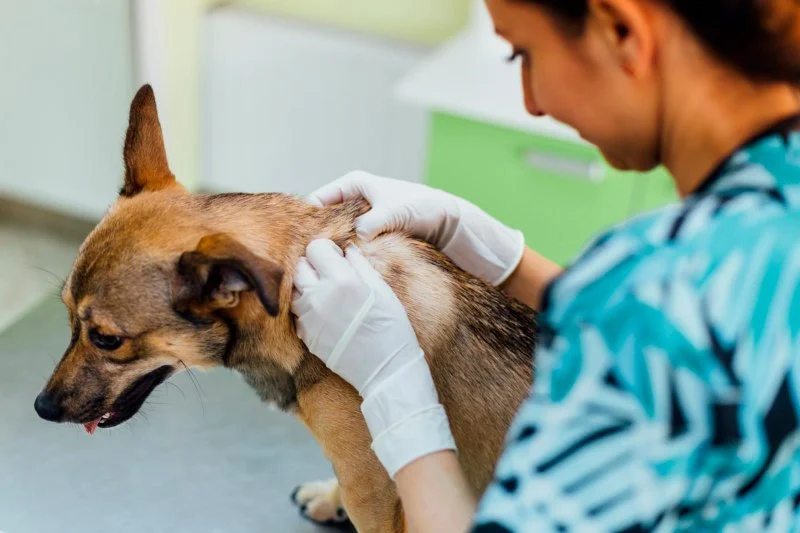
- Understanding Endocrine Disorders in Pets
- Common Endocrine Disorders in Pets
- How to Spot Endocrine Disorders in Pets
- Treatment Options for Endocrine Disorders in Pets
- Preventing Endocrine Disorders in Pets
- Why Choose Brothers Pets for Your Pet Health Needs
Understanding Endocrine Disorders in Pets
Endocrine disorders in pets are conditions that affect the hormonal systems, disrupting the production and regulation of hormones in the body. The endocrine system plays a vital role in controlling several important processes such as metabolism, growth, and immune response. When the endocrine system malfunctions, it can lead to a variety of health issues, some of which can be quite serious if left untreated.
While endocrine disorders are more commonly associated with humans, pets can also suffer from these conditions. Cats and dogs, particularly those in their middle to senior years, are at a higher risk of developing endocrine disorders. Early detection and proper management of these conditions are essential for ensuring the well-being and longevity of your pet.
Common Endocrine Disorders in Pets
There are several types of endocrine disorders that commonly affect pets, including the following:
1. Hypothyroidism
Hypothyroidism is one of the most common endocrine disorders in dogs. It occurs when the thyroid gland fails to produce enough thyroid hormones, leading to symptoms such as lethargy, weight gain, and poor coat quality. This condition is more frequently seen in middle-aged to older dogs, particularly in breeds like Golden Retrievers, Doberman Pinschers, and Cocker Spaniels.
2. Hyperthyroidism
Hyperthyroidism is less common in pets but is seen primarily in cats, particularly older ones. It occurs when the thyroid gland becomes overactive and produces excess thyroid hormones. This leads to symptoms such as increased appetite, weight loss, and hyperactivity. It can also result in more severe health issues if not treated, including heart problems.
3. Cushing's Disease (Hyperadrenocorticism)
Cushing’s disease is a condition where the adrenal glands produce excessive amounts of cortisol, often due to a tumor in the pituitary gland or adrenal glands. Dogs with Cushing’s disease often exhibit symptoms such as excessive thirst, increased urination, hair loss, and a pot-bellied appearance. Breeds like Poodles, Dachshunds, and Boxers are at a higher risk of developing Cushing’s disease.
4. Diabetes Mellitus
Diabetes is another common endocrine disorder, especially in cats and dogs. It occurs when the pancreas either does not produce enough insulin or the body becomes resistant to it. Symptoms include increased thirst and urination, weight loss, and lethargy. Pets that are obese or have a history of pancreatitis are at a higher risk of developing diabetes.
How to Spot Endocrine Disorders in Pets
Recognizing the signs of endocrine disorders in pets can be challenging, as symptoms often develop gradually and may be mistaken for normal aging signs. However, there are several common symptoms that may indicate your pet is suffering from an endocrine disorder:
1. Changes in Appetite or Weight
If your pet is suddenly eating more or less than usual, or if they are gaining or losing weight without any change in their diet or exercise habits, this could be a sign of an endocrine disorder. For example, pets with hyperthyroidism often experience weight loss despite an increased appetite, while those with hypothyroidism may gain weight despite normal eating habits.
2. Changes in Coat and Skin
Endocrine disorders can affect the health of your pet’s skin and coat. Pets with hypothyroidism may have thinning or dull coats, while those with Cushing’s disease may experience hair loss or thinning, particularly along the back and tail. Changes in skin texture, such as dryness or increased oiliness, can also be a sign of an endocrine problem.
3. Increased Thirst and Urination
Excessive thirst and urination are common symptoms of diabetes and Cushing’s disease. If your pet is drinking significantly more water than usual or needing to go outside frequently, it could be an indication of an underlying endocrine disorder.
4. Lethargy or Hyperactivity
Changes in energy levels can also signal an endocrine issue. Pets with hypothyroidism may seem unusually lethargic or tired, while pets with hyperthyroidism may appear hyperactive or anxious. A sudden change in activity level or behavior should prompt a visit to the vet.
Treatment Options for Endocrine Disorders in Pets
Once an endocrine disorder is diagnosed in your pet, treatment options vary depending on the specific condition and its severity. Here are some common treatment methods:
1. Medication
For many endocrine disorders, medications can help regulate hormone levels. For example, pets with hypothyroidism are typically treated with thyroid hormone replacement therapy, while pets with diabetes may require insulin injections. Medications for Cushing’s disease and hyperthyroidism are also available and can be effective in managing symptoms.
2. Surgery
In some cases, surgery may be required to remove tumors or glands that are causing the endocrine imbalance. For instance, surgical removal of the thyroid gland may be necessary for cats with hyperthyroidism, or the removal of an adrenal tumor may be indicated for pets with Cushing’s disease.
3. Diet and Lifestyle Changes
In conjunction with medications, diet and lifestyle changes can help manage endocrine disorders. Weight management is particularly important for pets with diabetes and hypothyroidism. A specialized diet tailored to your pet’s needs, along with regular exercise, can improve their quality of life and help control symptoms.
Preventing Endocrine Disorders in Pets
While some endocrine disorders are genetic and cannot be prevented, there are steps you can take to minimize your pet’s risk:
1. Regular Veterinary Check-ups
Routine veterinary visits are essential for early detection and prevention of endocrine disorders. Regular blood work can help monitor hormone levels and detect abnormalities before they become serious issues.
2. Maintaining a Healthy Weight
Obesity is a significant risk factor for conditions like diabetes and hypothyroidism. Ensuring your pet maintains a healthy weight through proper diet and exercise is one of the best ways to prevent endocrine disorders.
3. Early Intervention
Recognizing the early signs of an endocrine disorder and seeking veterinary care promptly can prevent the condition from worsening. The sooner treatment begins, the better the chances of managing the disorder effectively.
Why Choose Brothers Pets for Your Pet Health Needs
At Brothers Pets, we offer a range of products and services designed to support your pet’s health and well-being. Whether you're looking for the right diet to manage your pet’s condition, specialized medications, or expert advice on endocrine disorders, our team is here to help.
For more information on how to care for your pet’s endocrine health, visit Brothers Pets today. We provide the tools and knowledge you need to keep your furry friends happy and healthy for years to come.




 Four County Veterinary Services4.0 (125 reviews)
 Belpar Pet Care Centre4.0 (203 reviews)
 Camboro Veterinary Hospital4.0 (591 reviews)
 Christina Hutson DVM4.0 (50 reviews)
 Whittier Dog and Cat Hospital4.0 (490 reviews)
 jbchick coops & cages llc5.0 (1 reviews)
 How to Calm Pet Anxiety During Thunderstorms and Fireworks
 Top 11 Tips for Pet Adoption Every Future Owner Should Know
 Best Practices for Potty Training Your Puppy Successfully
 How to Identify and Treat Allergic Dermatitis in Cats | Expert Tips
 How to Safely Train Your Pet for Travel and Outdoor Adventures | Expert Tips
 How to Choose the Right Veterinarian for Your Pet's Health Needs