
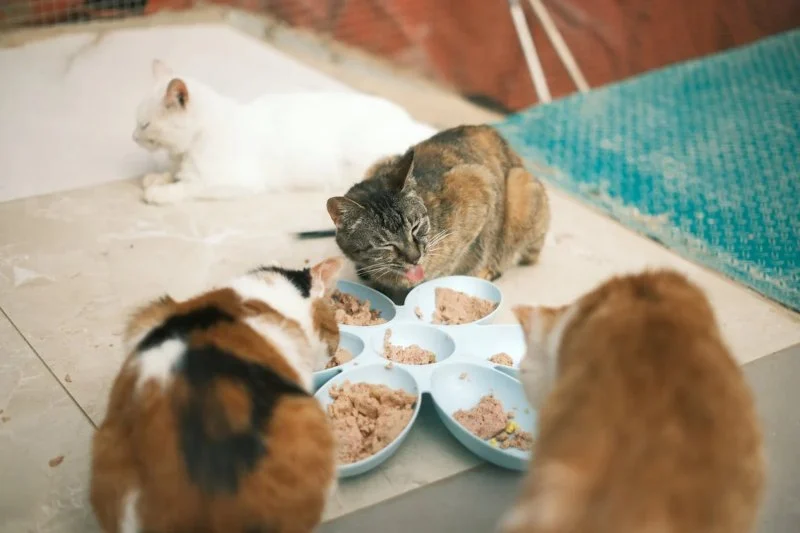
- Understanding Digestive Problems in Cats
- Common Digestive Issues in Cats
- How to Treat Digestive Issues in Cats
- When to Visit the Vet for Digestive Problems
Understanding Digestive Problems in Cats
As a cat owner, it’s important to be aware of your feline’s digestive health. Cats are prone to a variety of digestive issues, and while some may be mild and temporary, others can indicate a more serious health concern. Identifying digestive problems early can help you treat them more effectively and ensure your cat’s overall well-being.
Digestive problems in cats can manifest in various ways, including vomiting, diarrhea, constipation, or changes in appetite. These issues may arise due to something as simple as a dietary change or as complex as an underlying illness. Understanding the common symptoms and causes of digestive issues can help you detect them early and take the necessary steps to address them.
Common Digestive Issues in Cats
Cats can experience several types of digestive issues. Below are some of the most common digestive problems that cat owners should watch for:
1. Vomiting
Vomiting is one of the most common digestive issues in cats. It can be caused by a variety of factors, including eating too quickly, hairballs, food allergies, or even stress. If your cat vomits occasionally, it may not be a cause for concern. However, if vomiting becomes frequent or is accompanied by other symptoms, it’s important to investigate further.
2. Diarrhea
Diarrhea in cats can occur for many reasons, such as dietary changes, infections, or parasites. If your cat has diarrhea for more than 24 hours, it’s important to contact a veterinarian. Chronic diarrhea can lead to dehydration, which can be dangerous for your cat.
3. Constipation
Constipation in cats can be uncomfortable and is often caused by dehydration, a lack of fiber in the diet, or other underlying health conditions. Cats that are constipated may strain to defecate or produce very little stool. If left untreated, constipation can lead to more severe health issues, including megacolon.
4. Loss of Appetite
A sudden loss of appetite is often a red flag that something is wrong with your cat’s digestive system. It can be caused by many factors, such as illness, stress, or an undiagnosed condition. If your cat refuses to eat for more than a day, it’s essential to seek veterinary attention.
How to Treat Digestive Issues in Cats
Once you’ve identified that your cat is experiencing digestive problems, the next step is to figure out the best way to treat them. Here are a few steps to help manage your cat’s digestive health:
1. Adjust Their Diet
Diet plays a crucial role in your cat’s digestive health. If your cat is experiencing digestive issues, consider adjusting their diet. You may want to try a bland diet consisting of boiled chicken and rice or switch to a high-quality, easily digestible cat food. Cats with food allergies or sensitivities may benefit from a hypoallergenic diet.
2. Increase Water Intake
Dehydration can worsen digestive problems like constipation. Make sure your cat always has access to fresh water, and encourage them to drink more by offering a water fountain or wet cat food, which can help increase their fluid intake. Cats are often more likely to drink water from a fountain than from a bowl.
3. Manage Hairballs
If your cat is prone to hairballs, you may want to try a special diet or supplement designed to help reduce hairball formation. Regular grooming can also help prevent hairballs, especially in long-haired breeds. If your cat continues to have issues with hairballs, consult with your veterinarian for advice on managing the problem.
4. Probiotics and Supplements
Probiotics can help support your cat’s digestive system by promoting the growth of healthy gut bacteria. Some cat foods contain probiotics, or you can use specific probiotic supplements. Always consult your veterinarian before introducing supplements to your cat’s diet.
5. Provide Plenty of Exercise
Regular physical activity is important for digestive health. Make sure your cat has plenty of opportunities to exercise, whether it’s through interactive play or outdoor adventures (if safe to do so). Exercise can help stimulate their digestive system and prevent constipation.
When to Visit the Vet for Digestive Problems
While minor digestive issues in cats can often be managed at home, there are times when a visit to the vet is necessary. If your cat experiences any of the following, it’s important to seek professional help:
1. Persistent Symptoms
If your cat’s digestive issues persist for more than 24-48 hours, it’s time to schedule a vet visit. Prolonged vomiting, diarrhea, or constipation can lead to serious health problems, such as dehydration or malnutrition.
2. Severe Vomiting or Diarrhea
If your cat is vomiting or having diarrhea frequently or in large amounts, it’s a sign that their digestive system is struggling to function properly. Severe vomiting and diarrhea can also indicate the presence of infections, parasites, or other serious health conditions.
3. Loss of Appetite
If your cat refuses to eat for more than a day or shows signs of weight loss, it could be a sign of a more severe digestive issue, such as gastrointestinal obstruction or illness.
4. Behavioral Changes
If your cat is acting lethargic, refusing to play, or showing other unusual behaviors in addition to digestive problems, it’s important to consult a vet to rule out underlying medical conditions.
Taking early action when your cat has digestive problems can help prevent serious health issues down the road. By being attentive to their diet, exercise, and general well-being, you can ensure your cat stays happy and healthy. If you’re ever in doubt, don’t hesitate to contact your veterinarian for advice.
For more tips on caring for your cat’s digestive health, visit Brothers Pets for the best products, advice, and services tailored to your furry friend’s needs.






 Brantley and Jordan Animal Hospital4.0 (192 reviews)
 Glastonbury Animal Hospital of Marlborough4.0 (48 reviews)
 Lyndhurst Animal Hospital Inc3.0 (811 reviews)
 Southpaw Veterinary Clinic and Emergency Care4.0 (265 reviews)
 Collier Animal Hospital at Serenbe5.0 (8 reviews)
 Shady Hills Pet Shop4.0 (89 reviews)
 Parasite Prevention: What Vets Want You to Know - Expert Tips for Pet Care
 How to Help Your Pet Cope with the Loss of a Companion
 Top 10 Tips for Pet Health - Expert Advice for Happy, Healthy Pets
 Tips for Feeding Senior Dogs with Sensitive Stomachs and Improving Digestion
 Preventing Obesity in Indoor Dogs with Daily Exercise – Effective Tips
 How to Recognize and Treat Hyperthyroidism in Cats