
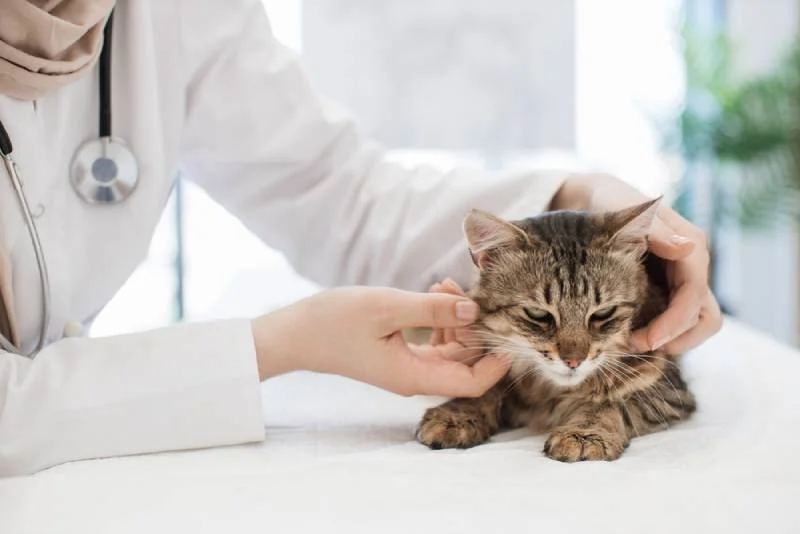
- 1. Understanding Hyperthyroidism in Cats
- 2. Symptoms of Hyperthyroidism in Cats
- 3. Diagnosing Hyperthyroidism in Cats
- 4. Treating Hyperthyroidism in Cats
- 5. Prevention and Long-term Care for Cats with Hyperthyroidism
1. Understanding Hyperthyroidism in Cats
Hyperthyroidism is a common condition in older cats, where the thyroid gland produces too much thyroid hormone. This leads to an imbalance in the body’s metabolism, affecting various systems, including the heart, kidneys, and digestive tract. Understanding this condition is crucial to recognizing it early and providing effective treatment to your feline companion.
The thyroid hormones regulate metabolism, and when they are produced excessively, it speeds up many of the body’s functions, which can lead to weight loss, rapid heart rate, and other symptoms that can seriously affect a cat’s quality of life.
2. Symptoms of Hyperthyroidism in Cats
Hyperthyroidism in cats can manifest through a variety of symptoms. These signs can be subtle at first, which is why many cat owners may overlook them. Here are some of the most common symptoms:
2.1 Weight Loss Despite Increased Appetite
One of the hallmark symptoms of hyperthyroidism in cats is unexplained weight loss, despite an increased appetite. Cats may eat more but lose weight due to the accelerated metabolism caused by excess thyroid hormones.
2.2 Increased Thirst and Urination
Excessive thirst and urination are common in cats with hyperthyroidism. As the body’s metabolism speeds up, cats may need to drink more water and urinate more frequently.
2.3 Restlessness and Hyperactivity
Cats with hyperthyroidism often exhibit restlessness or hyperactivity. You might notice your cat pacing around more, being unusually active, or appearing agitated.
2.4 Vomiting and Diarrhea
Digestive issues, such as vomiting and diarrhea, can also occur in cats with hyperthyroidism. These symptoms may be overlooked as a minor problem, but they can indicate a more serious thyroid issue.
3. Diagnosing Hyperthyroidism in Cats
If you notice any of these symptoms in your cat, it’s important to take them to the vet for a proper diagnosis. Diagnosis typically involves a blood test to measure thyroid hormone levels. Elevated levels of thyroid hormones in the blood confirm the presence of hyperthyroidism.
In some cases, the vet may also perform imaging tests, such as an ultrasound, to check for thyroid enlargement or tumors, which are common causes of hyperthyroidism in cats.
4. Treating Hyperthyroidism in Cats
There are several treatment options available for hyperthyroidism in cats. The appropriate treatment depends on the severity of the condition and your cat’s overall health.
4.1 Medications
Anti-thyroid medications are often prescribed to manage hyperthyroidism in cats. These medications work by inhibiting the thyroid gland’s ability to produce excessive hormones. While they are effective, they require long-term administration and regular monitoring by a vet.
4.2 Radioactive Iodine Treatment
Radioactive iodine therapy is a highly effective treatment for hyperthyroidism in cats. This treatment involves administering a small dose of radioactive iodine, which selectively destroys the overactive thyroid tissue. It often results in a permanent cure for hyperthyroidism, and most cats only require one treatment session.
4.3 Surgery
In some cases, surgical removal of the thyroid tumor or gland may be recommended. This treatment option is typically reserved for cats who have a solitary thyroid tumor. Surgery can be effective but carries some risks, including the potential for damage to surrounding tissues.
4.4 Diet
In some instances, a special prescription diet that limits iodine intake may be used to help manage hyperthyroidism. This diet is used in conjunction with other treatments and helps reduce the production of thyroid hormones.
5. Prevention and Long-term Care for Cats with Hyperthyroidism
While hyperthyroidism in cats cannot always be prevented, early detection and treatment can help improve your cat’s quality of life. Regular veterinary check-ups are crucial, especially as your cat ages, to catch any health issues before they become serious.
After treatment, your cat will require ongoing monitoring to ensure their thyroid levels remain stable. This might include periodic blood tests to check for recurrence of hyperthyroidism or any side effects from the treatment.
At Brothers Pets, we offer expert advice and recommend the best products and services to support your cat’s health, including food, supplements, and medical care. We are here to help ensure that your feline companion stays happy and healthy.





 Animal Medical Center of Lapeer4.0 (188 reviews)
 Animal Planet Pet Shop3.0 (44 reviews)
 The Fish Room4.0 (153 reviews)
 Banfield Pet Hospital3.0 (347 reviews)
 Cascade West Veterinary Hospital4.0 (621 reviews)
 Spicewood Springs Animal Hospital4.0 (439 reviews)
 Safe and Effective Diet Plans for Overweight Dogs Recommended by Veterinarians | Brothers Pets
 Top 10 Tips for Pet Mental Health Every Owner Should Know
 Common Mistakes in Parasite Prevention and How to Avoid Them
 How to Safely Train Your Pet for Travel and Outdoor Adventures | Expert Tips
 How to Safely Clean Your Pet’s Toys and Accessories: Tips and Best Practices
 Beginner's Guide to Pet Safety | Essential Tips for a Safe Pet Home