
- why-parasite-prevention-matters-for-pet-health
- common-pet-parasites-and-their-risks
- seasonal-awareness-and-regional-factors
- signs-of-parasite-infestation-in-dogs-and-cats
- preventive-methods-and-products-for-parasite-control
- natural-prevention-options-and-holistic-approaches
- real-stories-of-infestation-and-lessons-learned
- routine-checks-veterinary-support-and-follow-up
- trusted-products-and-guidance-from-brothers-pets
1. Why Parasite Prevention Matters for Pet Health
Parasites are more than just a nuisance—they can pose serious health threats to your pet. From skin irritation and anemia to internal organ damage and zoonotic disease transmission, the risks are significant. Prevention isn't just about comfort—it's about protecting your pet’s life. Consistent parasite control reduces the chance of costly treatments and long-term health consequences. It’s one of the cornerstones of responsible pet ownership.
2. Common Pet Parasites and Their Risks
Fleas, ticks, heartworms, roundworms, hookworms, and mites are the most common parasites affecting dogs and cats. Each poses unique risks—ticks can transmit Lyme disease, fleas can cause tapeworm infections, and heartworms can be fatal if untreated. A Labrador in Georgia once tested positive for heartworm after a single missed dose of preventive medication during summer. Understanding what you’re up against is key to choosing the right defense.
3. Seasonal Awareness and Regional Factors
Parasite activity spikes during certain seasons and varies by region. In warmer climates, fleas and ticks may be active year-round, while colder regions see seasonal surges. Mosquitoes, the vector for heartworm, are especially aggressive during spring and summer. Pet owners in rural or wooded areas should be extra vigilant. At Brothers Pets, we offer season-specific prevention kits tailored by region, helping you stay a step ahead of infestations.
4. Signs of Parasite Infestation in Dogs and Cats
Symptoms vary depending on the type of parasite. Look out for scratching, red or irritated skin, bloated abdomen, diarrhea, lethargy, coughing, and visible worms in stool. One rescue cat owner recalled how mild sneezing turned out to be a lungworm infection caught through outdoor exposure. Don’t wait for dramatic symptoms—early signs are often subtle. Regular observation helps you catch problems before they escalate.
5. Preventive Methods and Products for Parasite Control
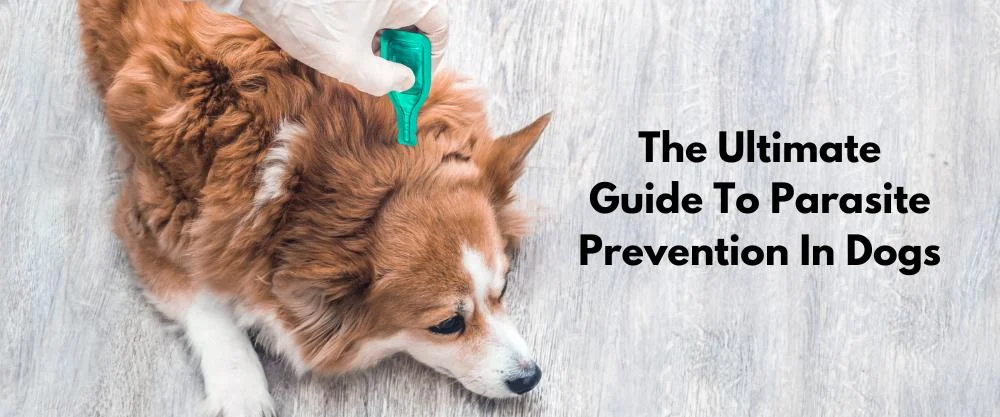
Monthly oral tablets, topical treatments, collars, sprays, and shampoos all play roles in prevention. Consistency is key. Combining internal and external parasite control offers the best protection. Don’t rely on a single method if your pet’s lifestyle includes outdoor play or contact with other animals. At Brothers Pets, you’ll find vet-approved treatments, including all-in-one chewables and spot-on solutions with proven efficacy across parasite types.
6. Natural Prevention Options and Holistic Approaches
For pet parents seeking chemical-free alternatives, essential oil sprays, brewer’s yeast supplements, and diatomaceous earth can offer some degree of parasite deterrence. However, results may vary, and not all natural remedies are safe or effective. Consult your vet before using anything unconventional. Brothers Pets stocks natural repellents that meet safety standards and can complement traditional parasite control plans.
7. Real Stories of Infestation and Lessons Learned
One dog owner shared on social media how a single weekend at a forest campsite led to a tick-borne illness and weeks of vet care. Another user’s indoor cat picked up fleas from a visiting pet and spread them to the entire apartment. These stories highlight how quickly things can spiral without prevention. Parasites don’t discriminate—they find opportunities wherever caution lapses. Learning from others can save your pet unnecessary suffering.
8. Routine Checks, Veterinary Support, and Follow-Up
Annual fecal tests, heartworm screenings, and wellness exams are essential to detect issues early. Even with visible parasite control, internal infestations can go unnoticed. Make routine parasite screenings a part of every vet visit. Discuss the best protection plan based on your pet’s age, breed, weight, and environment. Veterinary guidance ensures products work together safely and effectively.
9. Trusted Products and Guidance from Brothers Pets
At Brothers Pets, we understand that parasite prevention isn’t one-size-fits-all. That’s why we offer curated parasite protection bundles, seasonal solutions, and breed-specific advice. Whether you’re starting a new protocol for a puppy or looking to upgrade a senior pet’s defense system, our team helps you choose only what your pet truly needs—nothing unnecessary, nothing risky. Trust starts with knowledge and the right tools.






 Aquarium shop4.0 (189 reviews)
 Healthy Pet Clinic at the Humane Society of Northeast Georgia4.0 (696 reviews)
 Vetco Vaccination Clinic2.0 (3 reviews)
 Rippowam Animal Hospital4.0 (393 reviews)
 Risinger Veterinary Hospital4.0 (1005 reviews)
 South Park Animal Hospital4.0 (586 reviews)
 How to Help Your Pet Overcome Separation Anxiety
 How to Recognize and Treat Skin Allergies in Cats: Expert Tips for Pet Owners
 How to Recognize and Treat Infections in Your Pet’s Mouth
 How to Improve Your Puppy & Kitten Care: Essential Tips for New Pet Owners
 Pet Travel: What Vets Want You to Know Before You Go
 How to Help Your Pet Cope with the Loss of a Companion