
How to Recognize Common Pet Diseases
As a pet owner, one of your key responsibilities is to keep an eye on your pet's health. Recognizing the signs of common pet diseases early can help you provide the right care and avoid serious complications. Different pets, including dogs, cats, and small animals, are susceptible to various illnesses, so it’s important to understand what symptoms to look for and how to act when something seems wrong.
Some diseases are preventable with proper care, but even the healthiest pets can develop health issues over time. Knowing the most common pet diseases and their signs can help you be proactive in your pet's healthcare, ensuring they live a long and happy life.
Symptoms of Common Pet Diseases
There are several common diseases that pets may experience, and each comes with its own set of symptoms. Being aware of these symptoms will help you catch problems early and seek the necessary treatment:
- Canine Parvovirus: A highly contagious virus that affects puppies and unvaccinated dogs. Symptoms include vomiting, diarrhea (often bloody), lethargy, and a loss of appetite.
- Feline Lower Urinary Tract Disease (FLUTD): Common in cats, especially older ones, FLUTD can cause symptoms such as frequent urination, straining to urinate, and blood in the urine. This condition requires immediate veterinary attention.
- Heartworms: These parasitic worms affect dogs and cats, leading to coughing, difficulty breathing, and lethargy. If left untreated, heartworms can be fatal.
- Dental Disease: Many pets, particularly older dogs and cats, suffer from dental disease. Symptoms include bad breath, swollen gums, and difficulty eating. Poor dental hygiene can lead to infections and organ damage if not treated.
- Ear Infections: Pets, especially dogs with floppy ears, are prone to ear infections. Symptoms include head shaking, ear scratching, and a foul smell from the ears.
Treatment Options for Pet Diseases
Once you’ve recognized the symptoms of a potential illness in your pet, the next step is determining the right course of treatment. Treatment varies depending on the disease, the severity of the condition, and your pet's overall health. Here are some common treatment options for pets with health issues:
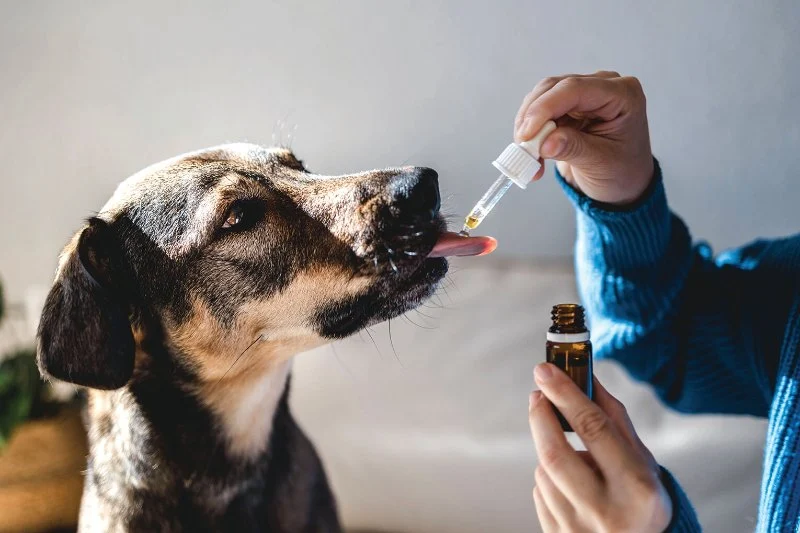
- Medication: Many common pet diseases can be treated with medications, such as antibiotics for bacterial infections or anti-parasitic drugs for worms. Always consult with a veterinarian to determine the appropriate medication for your pet.
- Surgery: In some cases, surgery may be required to treat issues such as tumors, broken bones, or severe dental disease. Veterinary surgery is typically safe and often necessary to save your pet’s life or alleviate pain.
- Diet and Lifestyle Changes: Pets with chronic diseases, such as diabetes or arthritis, often require dietary changes and adjustments to their daily routine. Specialized pet foods, joint supplements, and regular exercise can help manage these conditions.
- Fluids and IV Therapy: Dehydration is a common problem in pets suffering from severe illnesses like parvovirus or kidney disease. IV fluids can help restore hydration and support overall health during recovery.
- Vaccinations: Preventative treatments, like vaccinations, can help protect your pet from common diseases such as rabies, distemper, and feline leukemia. Keeping up with your pet’s vaccination schedule is crucial for disease prevention.
Preventing Pet Diseases: Tips for Pet Owners
Prevention is always better than cure when it comes to pet diseases. While not all illnesses can be prevented, there are several steps you can take to reduce your pet's risk of developing common health problems:
- Regular Vet Checkups: Schedule annual veterinary checkups to catch potential health problems early. These checkups often include vaccinations, dental exams, and routine blood work to monitor your pet's overall health.
- Proper Nutrition: A balanced, nutritious diet is essential for maintaining your pet’s health. Talk to your vet about the best diet for your pet based on their age, breed, and activity level.
- Flea and Tick Prevention: Parasites like fleas and ticks can transmit serious diseases, including Lyme disease and tapeworms. Regular treatments with flea and tick preventatives can help protect your pet from these health risks.
- Vaccinations: Keeping up to date with vaccinations is one of the most effective ways to prevent your pet from contracting serious diseases like rabies and parvovirus.
- Hygiene and Grooming: Regular grooming and cleaning your pet's ears, teeth, and nails can help prevent common health issues like infections, dental disease, and ear mites.
Real-Life Example: Managing Pet Illnesses
Consider Sarah, who noticed that her dog, Max, had been lethargic and not eating his meals. After a visit to the vet, Max was diagnosed with canine parvovirus, a disease that can be fatal if not treated promptly. Sarah followed the veterinarian’s recommendations for treatment, which included hospitalization, intravenous fluids, and anti-nausea medication. After a few days of intensive care, Max made a full recovery.
Sarah's case emphasizes the importance of recognizing symptoms early and seeking professional care right away. By acting quickly, Sarah was able to ensure that Max got the treatment he needed to survive and recover.
Find the Best Pet Products and Services at Brothers Pets
If you’re looking for quality pet care products and expert advice, visit Brothers Pets. We offer a wide range of products to help keep your pet healthy, including preventative treatments, health supplements, and food. Our knowledgeable staff can guide you in choosing the best products for your pet’s specific needs. Visit us today to ensure your pet stays happy and healthy!





 South Seattle Veterinary Hospital3.0 (1205 reviews)
 Sandy Paws Veterinary Clinic4.0 (174 reviews)
 Grace Animal Hospital4.0 (208 reviews)
 Shake A Paw4.0 (848 reviews)
 West Caln Veterinary Clinic & Mobile Veterinary Service4.0 (94 reviews)
 Natural Bridge Hospital For Animals4.0 (103 reviews)
 Understanding the Importance of Omega-3 in Pet Diets | Brothers Pets
 How to Spot and Treat Allergies in Cats and Dogs: A Complete Guide
 Benefits of Omega-3 Fatty Acids for Pets: Improve Health and Wellness
 How to Handle Pet Emergencies: A Step-by-Step Guide
 How to Spot and Treat Kidney Disease in Pets
 Understanding the Importance of Omega in Pet Diets