
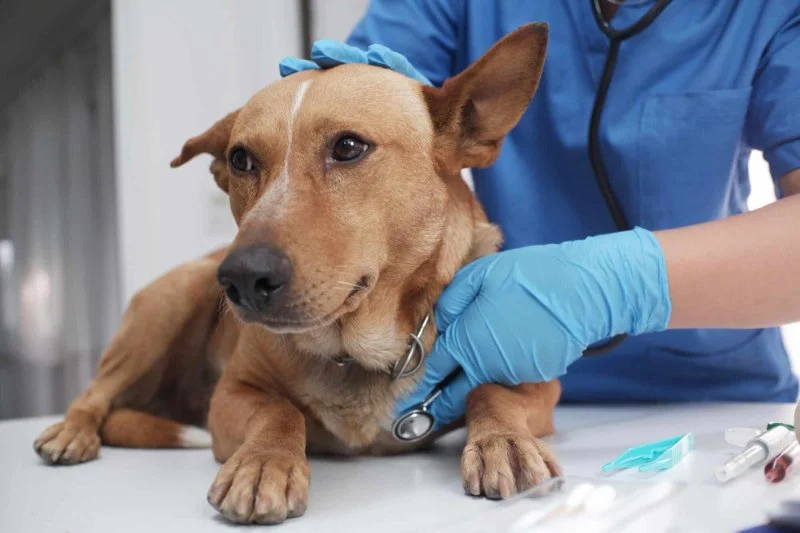
- 1. Introduction: Understanding Pet Emergencies
- 2. Common Types of Pet Emergencies
- 3. How to Provide First Aid for Pets
- 4. When to Call the Vet
- 5. Preventing Pet Emergencies in the Future
1. Introduction: Understanding Pet Emergencies
Pets, much like humans, can face medical emergencies that require quick thinking and proper action. Whether it’s an injury, an illness, or an unexpected reaction, handling pet emergencies efficiently can make the difference between life and death. Understanding what constitutes a pet emergency, knowing the steps to take, and acting calmly and quickly are essential for every pet owner. In this guide, we will walk you through how to handle various pet emergencies, how to provide first aid, and when to seek professional help.
2. Common Types of Pet Emergencies
Emergencies can strike at any time, and it’s crucial to recognize the signs early. Here are some common pet emergencies:
Injuries
Pets can get injured in many ways, from cuts and scratches to more serious fractures or internal injuries. Minor injuries might only require cleaning and bandaging, but severe injuries, such as broken bones or bleeding, may require immediate veterinary intervention.
Choking
If your pet has swallowed something they shouldn’t have or is choking, it’s essential to act fast. Choking can block the airway and prevent your pet from breathing, making it a life-threatening situation that requires prompt action.
Heat Stroke
During the warmer months, pets are at risk of heat stroke, especially if they are left outside without access to water or shelter. Heat stroke can cause dehydration, organ failure, and even death if not treated immediately.
Poisoning
Pets are often exposed to household items like chocolate, cleaning products, or plants that are toxic to them. If your pet ingests a toxic substance, it can lead to severe poisoning. Recognizing the signs of poisoning early can help save your pet’s life.
Seizures
Seizures can be terrifying for both pets and their owners. While some seizures are caused by underlying health conditions like epilepsy, others may be triggered by poisoning, trauma, or infections. Recognizing and reacting to seizures is crucial to managing your pet’s health.
3. How to Provide First Aid for Pets
Knowing basic pet first aid can help you provide immediate care during an emergency. Here’s a step-by-step guide on how to provide first aid for some common pet emergencies:
In Case of Bleeding
If your pet is bleeding, the first thing you need to do is stop the bleeding. Apply gentle pressure with a clean cloth or bandage to the wound and hold it in place for several minutes. If the bleeding doesn’t stop or is severe, seek immediate veterinary attention.
If Your Pet Is Choking
If your pet is choking, try to remove the object if you can do so safely. If not, perform the Heimlich maneuver for pets. For dogs, you can apply pressure to their abdomen with a quick upward motion. Cats may require a different technique, so knowing both can help in emergencies.
Cooling Down a Heat-Stroke Pet
If you suspect your pet is suffering from heat stroke, move them to a cooler place immediately. Wet a towel with cool (not cold) water and place it on your pet’s body, focusing on their paws, armpits, and belly. Offer them small sips of water and contact your veterinarian right away.
If Your Pet Has Ingested Poison
Time is crucial when your pet has ingested a toxic substance. Contact your vet immediately and, if possible, have information about the substance your pet ingested. In some cases, the vet may advise you to induce vomiting, but this should only be done under professional guidance.
During a Seizure
If your pet is having a seizure, remain calm and clear the area of anything that could hurt them. Do not try to hold your pet or put anything in their mouth. Time the seizure and monitor the situation. Once it’s over, contact your vet immediately.
4. When to Call the Vet
In some situations, providing first aid at home is sufficient, but in many cases, you will need to seek professional help. Here are some signs that it’s time to call the vet:
Continuous Bleeding
If the bleeding does not stop after applying pressure for several minutes, or if it’s heavy, you should call your vet immediately.
Choking That Cannot Be Relieved
If your pet is still choking after attempting to clear their airway or is unable to breathe properly, call your vet or the nearest emergency pet hospital immediately.
Severe Symptoms
If your pet is showing signs of severe illness, such as vomiting, diarrhea, lethargy, or unconsciousness, it’s essential to call the vet right away.
Ingestion of Toxic Substances
If your pet has ingested something toxic, it’s important to contact your vet as soon as possible. The sooner your pet is treated, the better the chances of recovery.
5. Preventing Pet Emergencies in the Future
While you can never fully predict when a pet emergency will happen, there are steps you can take to reduce the risk:
Keep Dangerous Substances Out of Reach
Ensure that harmful substances like chemicals, medications, and foods (such as chocolate) are stored safely away from your pets. Use childproof containers if necessary.
Regular Vet Checkups
Regular checkups with your vet can help detect health issues before they become emergencies. Keep up with vaccinations, parasite prevention, and overall wellness exams.
Proper Training and Exercise
Training your pet to follow commands and keeping them physically active can help prevent injuries and reduce stress. Proper exercise also keeps your pet in good health, which lowers the risk of health-related emergencies.
By being prepared and knowing how to react in a pet emergency, you can ensure that your pet gets the best possible care. If you need more information or assistance, visit Brothers Pets for helpful tips, products, and services to keep your pet healthy and safe.





 San Antonio Wellness Spay and Neuter Clinic4.0 (323 reviews)
 West Towne Veterinary Center4.0 (75 reviews)
 Pet Center Ltd4.0 (402 reviews)
 VetMedics Compounding Pharmacy4.0 (51 reviews)
 Vetco Total Care Animal Hospital3.0 (205 reviews)
 BROADWAY PET STORE2.0 (3 reviews)
 How to Recognize and Treat Skin Allergies in Cats
 How to Spot and Treat Allergies in Cats and Dogs: A Comprehensive Guide
 How to Safely Administer Ear Drops to Your Pet
 How to Spot and Treat Vomiting in Dogs
 Easy Homemade Cat Toys That Promote Exercise | Fun & Healthy Ideas for Your Cat
 How to Spot and Treat Endocrine Disorders in Pets