
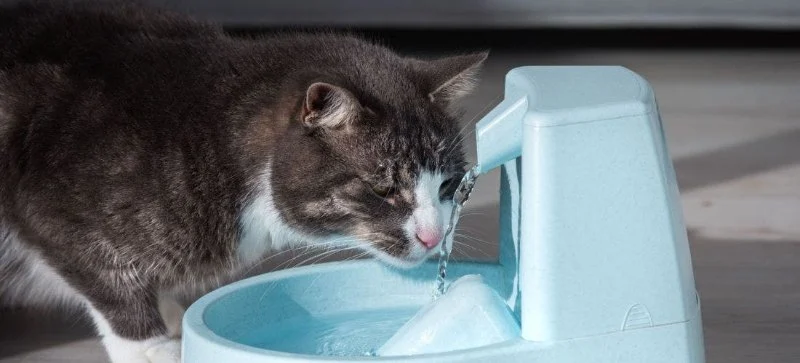
How to Keep Your Cat Hydrated and Healthy
- Why Hydration Matters for Your Cat
- Signs Your Cat Is Dehydrated
- Ways to Keep Your Cat Hydrated
- Creating a Hydration Routine for Your Cat
- Shop for Cat Care Products at Brothers Pets
Why Hydration Matters for Your Cat
Hydration is crucial for your cat's health and well-being. Just like humans, cats need adequate water intake to maintain their bodily functions. Proper hydration helps support kidney function, digestive health, and temperature regulation.
Cats are naturally more susceptible to dehydration compared to other pets. This can be due to various factors, including their often low thirst drive, limited access to fresh water, or certain health conditions. Ensuring your cat stays hydrated is essential in preventing serious health issues, including kidney disease and urinary tract infections.
Signs Your Cat Is Dehydrated
It's important to recognize the signs of dehydration in your cat. Some common symptoms include:
1. Dry or Sticky Gums
If your cat’s gums feel dry or sticky to the touch, it’s a strong indication that they may not be getting enough fluids.
2. Loss of Skin Elasticity
You can check for dehydration by gently pulling up on the skin at the back of your cat's neck. If it doesn’t snap back quickly, it may be a sign of dehydration.
3. Lethargy
Dehydrated cats tend to become more sluggish and lethargic. They may not be as playful or active as they normally are.
4. Reduced Appetite
A decrease in appetite is another sign that your cat may be dehydrated. Lack of hydration can cause your cat to feel unwell, leading to a loss of interest in food.
Ways to Keep Your Cat Hydrated
Fortunately, there are several effective ways to ensure your cat stays hydrated. Here are some tips to help keep your cat’s water intake up:
1. Provide Fresh Water Constantly
Always provide fresh, clean water for your cat. Make sure to change the water daily and keep the water bowl in a quiet, easily accessible spot. Cats can be quite particular about the cleanliness of their water, so be sure to clean the bowl regularly.
2. Use a Cat Water Fountain
Many cats are more likely to drink from a running water source. Consider investing in a cat water fountain to encourage your cat to drink more. The flowing water often appeals to cats, who are instinctively drawn to it.
3. Wet Cat Food
Incorporating wet cat food into your cat’s diet is a great way to increase their hydration. Wet food has a higher moisture content than dry kibble, which helps boost their water intake. Aim for a balanced diet that includes both wet and dry food.
4. Add Water to Dry Food
If your cat prefers dry food, try adding a small amount of water or low-sodium broth to it. This will increase the moisture content and encourage your cat to drink more while eating.
5. Offer Ice Cubes or Broth Popsicles
Some cats enjoy ice cubes or frozen broth popsicles as a fun and cool treat. You can freeze water or low-sodium broth in ice cube trays and serve them to your cat for extra hydration.
Creating a Hydration Routine for Your Cat
Creating a consistent hydration routine for your cat will help ensure they are getting enough fluids. Here are a few strategies:
1. Schedule Regular Water Breaks
Just like you might have a routine for feeding or playtime, incorporate water breaks into your cat’s daily schedule. Encourage your cat to drink after meals and throughout the day.
2. Monitor Water Intake
Keep track of how much water your cat is drinking each day. If you notice a sudden decrease in their water intake, it could be a sign of an underlying health issue, and you should consult your vet.
3. Maintain a Calm and Quiet Environment
Stress can deter cats from drinking. Make sure your cat’s drinking area is quiet and free from distractions. Cats tend to drink more when they feel safe and relaxed.
Shop for Cat Care Products at Brothers Pets
If you're looking for high-quality cat care products, including food, water fountains, and hydration aids, check out Brothers Pets. We offer a wide selection of products to ensure your cat stays hydrated and healthy.
Visit our website to explore our collection of cat care essentials and make hydration an easy part of your cat’s daily routine.





 Academy Animal Hospital4.0 (453 reviews)
 PetVet Vaccination Clinic5.0 (2 reviews)
 Great Lakes Veterinary Behavior Consultants3.0 (7 reviews)
 Animal Medical Center4.0 (353 reviews)
 Cloverleaf Animal Hospital4.0 (194 reviews)
 Brookview Animal Health Center4.0 (260 reviews)
 How to Choose the Right Pet Boarding Facility - A Complete Owner’s Guide
 How to Safely Clean Your Pet’s Ears and Prevent Infections: A Step-by-Step Guide
 How to Recognize and Treat Common Pet Injuries - Expert Guide
 Expert Advice on Emergency Pet Care Every Owner Should Know
 Ways to Keep Your Dog Entertained When Home Alone
 How to Provide Safe and Effective Flea Treatment for Your Pet" — Optimized for the target audience and search engines.