
- 1-Recognizing Symptoms of Skin Allergies in Cats
- 2-Common Causes of Skin Allergies in Cats
- 3-Treatment Options for Skin Allergies in Cats
- 4-Preventive Measures and Tips for Skin Health
- 5-Real-Life Case: A Cat's Journey Through Skin Allergies
1. Recognizing Symptoms of Skin Allergies in Cats
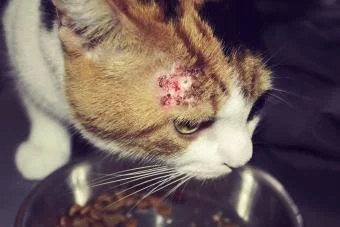
Skin allergies in cats are common and can cause significant discomfort for your feline companion. Recognizing the symptoms early can help you take appropriate action to alleviate their suffering. Common signs to watch for include excessive itching, redness, swelling, rashes, and hair loss. Cats may also bite, lick, or scratch the affected areas more frequently.
It's important to note that skin allergies can present in various ways. Some cats may develop scabs or crusts on their skin, while others may experience swollen paws or facial swelling. If your cat exhibits any of these symptoms, it's best to consult a veterinarian for a proper diagnosis.
2. Common Causes of Skin Allergies in Cats
There are several potential causes of skin allergies in cats, and understanding these can help in pinpointing the right treatment. The most common causes include:
- Flea Allergies: Flea bites are a major trigger for skin allergies in cats. Flea saliva can cause intense itching and allergic reactions in some cats.
- Environmental Allergies: Pollens, mold, dust mites, and other environmental allergens can affect cats. These allergens may cause seasonal or year-round allergies.
- Food Allergies: Cats can also develop allergic reactions to certain ingredients in their food. Common culprits include dairy, grains, and certain proteins like chicken or fish.
- Contact Allergies: Some cats may develop allergic reactions to substances they come into direct contact with, such as certain shampoos, fabrics, or cleaning products.
Each cat is different, so pinpointing the cause of the allergy is essential for effective treatment. A veterinarian may perform allergy tests or recommend an elimination diet to help determine the source.
3. Treatment Options for Skin Allergies in Cats
Once the cause of your cat's skin allergies is identified, your veterinarian will recommend appropriate treatment options. Common treatments for skin allergies in cats include:
- Antihistamines: These medications can help reduce itching and inflammation. They are often used for environmental allergies and mild cases.
- Topical Treatments: Specialized creams or shampoos can soothe irritated skin and promote healing. These treatments are particularly useful for localized allergies.
- Flea Control: For flea allergies, your cat will need an effective flea prevention regimen. Topical treatments, oral medications, or flea collars can help keep fleas at bay.
- Allergen Avoidance: Reducing exposure to allergens such as certain foods, dust, or pollen can help manage your cat’s allergies.
- Immunotherapy: In more severe cases, your veterinarian may recommend allergy shots or oral immunotherapy to desensitize your cat to specific allergens.
It's crucial to follow your veterinarian's instructions closely and to monitor your cat's progress. Sometimes, a combination of treatments may be necessary for effective relief.
4. Preventive Measures and Tips for Skin Health
Prevention is key when it comes to managing skin allergies in cats. While you can't always eliminate allergens completely, you can take steps to minimize your cat's exposure to triggers. Here are some helpful tips:
- Regular Flea Treatment: Ensure your cat is on a year-round flea prevention plan. Flea control is essential, especially for cats with flea allergies.
- Maintain a Clean Environment: Regularly clean your home, especially areas where your cat spends the most time. This can help reduce the presence of dust mites and other allergens.
- Choose Hypoallergenic Products: Opt for cat shampoos, bedding, and cleaning products that are free from harsh chemicals or fragrances.
- Monitor Diet: Consider feeding your cat a high-quality, well-balanced diet and consult your vet about any potential food allergies.
5. Real-Life Case: A Cat's Journey Through Skin Allergies
Meet Bella, a sweet Maine Coon cat who suffered from severe skin allergies for years. Her symptoms included intense scratching, hair loss, and raw, inflamed skin. After several visits to the vet, Bella was diagnosed with flea allergies and environmental allergies. The vet prescribed a combination of flea control, antihistamines, and a special medicated shampoo. Over time, Bella’s condition improved, and her skin healed.
This case highlights the importance of early diagnosis and appropriate treatment. If your cat is showing signs of skin allergies, don't hesitate to consult a veterinarian. With the right care, most cats can find relief and lead happy, healthy lives.
For the best products and services to help manage your cat's skin allergies, check out Brothers Pets, where you'll find a wide range of treatments and supplies tailored to your cat's needs.





 JoJo’s Flying Friends4.0 (64 reviews)
 West Coast Equine4.0 (54 reviews)
 Best Friend Veterinary & Pet Lodge4.0 (598 reviews)
 Brookside Veterinary Clinic4.0 (506 reviews)
 PetVet365 Pet Hospital Cincinnati/Anderson4.0 (176 reviews)
 Zumbrota Veterinary Clinic4.0 (183 reviews)
 How to Train Your Pet to Be Comfortable with Veterinary Visits – A Step-by-Step Guide
 How to Prevent and Treat Fungal Infections in Pets
 How to Reduce Stress for Cats During Travel: Essential Tips for Pet Owners
 Top 11 Tips for Parasite Prevention in Pets | Safe & Effective Methods
 Recognizing Signs of Liver Problems in Dogs: What Every Pet Owner Should Know
 Human Foods That Are Surprisingly Safe for Dogs: A Guide for Pet Owners