

- 1. Importance of Liver Health in Dogs
- 2. Common Signs of Liver Problems in Dogs
- 3. Causes of Liver Disease in Dogs
- 4. Diagnosing Liver Problems in Dogs
- 5. How to Treat and Manage Liver Disease in Dogs
1. Importance of Liver Health in Dogs
The liver plays a crucial role in your dog’s overall health, functioning as the organ that detoxifies the body, helps digest food, and stores nutrients. When liver health is compromised, it can have a significant impact on your dog’s well-being. Liver disease in dogs is often subtle in its early stages, which is why it is important for pet owners to recognize the early signs of liver problems. Taking preventive measures and seeking prompt veterinary care can help maintain a long and healthy life for your dog.
2. Common Signs of Liver Problems in Dogs
Recognizing the early signs of liver problems in your dog can help with timely diagnosis and treatment. Some of the most common symptoms of liver disease include:
- Jaundice: One of the most noticeable signs of liver problems is jaundice, which causes your dog's skin, gums, or eyes to take on a yellowish hue. This occurs when the liver is unable to properly process bilirubin, a waste product in the bloodstream.
- Loss of Appetite: Dogs with liver disease may show a lack of interest in food, resulting in weight loss. This is often one of the first signs pet owners notice.
- Vomiting and Diarrhea: Gastrointestinal issues such as vomiting, diarrhea, or changes in stool color are common in dogs with liver problems. These symptoms can be accompanied by dehydration.
- Lethargy and Weakness: If your dog is lethargic or unusually weak, it may be a sign of liver problems. Dogs with liver disease may struggle with energy levels due to the organ’s inability to function properly.
- Behavioral Changes: Behavioral changes such as confusion, excessive drooling, or uncoordinated movements can also be signs of liver issues. The liver’s role in detoxification means that liver disease can affect brain function.
3. Causes of Liver Disease in Dogs
Several factors can contribute to liver problems in dogs. Some of the most common causes include:
- Infections: Bacterial, viral, or parasitic infections can affect the liver and cause inflammation or damage to the liver tissue.
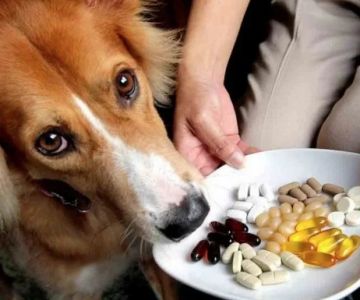
- Medications: Certain medications, particularly those used long-term, can lead to liver damage. Always consult your vet before administering any new medication to your dog.
- Genetic Factors: Some dog breeds are genetically predisposed to liver disease. Breeds like the Doberman Pinscher and Labrador Retriever are more prone to liver issues.
- Diet and Toxins: Exposure to toxins, such as harmful foods, chemicals, or household substances, can lead to liver failure in dogs. Accidental ingestion of certain plants, for example, can be highly toxic to dogs.
- Chronic Conditions: Chronic conditions such as diabetes or heart disease can also contribute to liver problems in dogs. Additionally, obesity is a risk factor that can strain the liver over time.
4. Diagnosing Liver Problems in Dogs
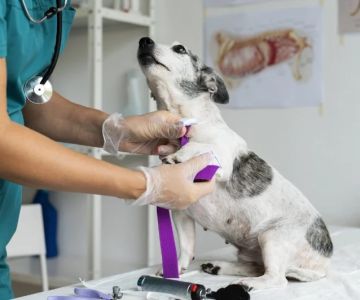
If you suspect your dog has liver problems, it's essential to seek veterinary care. A veterinarian will typically perform several tests to confirm the diagnosis, including:
- Blood Tests: Blood tests can measure liver enzyme levels, bilirubin levels, and other markers of liver function. Abnormal results may indicate liver disease.
- Ultrasound or X-rays: Imaging tests such as ultrasounds or X-rays can help identify liver enlargement, tumors, or other abnormalities.
- Liver Biopsy: In some cases, a liver biopsy may be needed to determine the extent of liver damage and identify the underlying cause of the disease.
5. How to Treat and Manage Liver Disease in Dogs
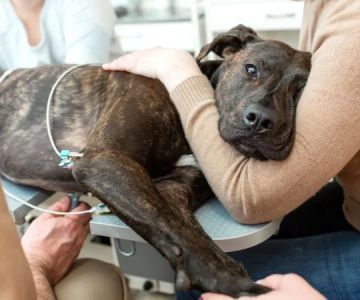
Once diagnosed, the treatment of liver disease in dogs will depend on the cause and severity of the condition. Some common treatments include:
- Medications: Depending on the diagnosis, your vet may prescribe medications to reduce inflammation, fight infections, or support liver function.
- Dietary Changes: A special diet may be recommended to support your dog’s liver. Low-protein, high-quality diets can help reduce the workload on the liver and promote recovery.
- Fluids and Supplements: In some cases, intravenous fluids or supplements like antioxidants and vitamins may be used to help the liver heal and function more efficiently.
- Regular Monitoring: Dogs with liver disease require ongoing monitoring, including regular blood tests and check-ups to ensure the liver is healing properly and to prevent complications.



 Woodstock Animal Hospital4.0 (85 reviews)
 Edgewood Veterinary Hospital: Hans Gann, DVM & Brad Howard, DVM5.0 (4 reviews)
 BluePearl Pet Hospital4.0 (424 reviews)
 Tugaloo Animal Hospital4.0 (62 reviews)
 East End Veterinary Center4.0 (758 reviews)
 Broadmoor Animal Hospital4.0 (171 reviews)
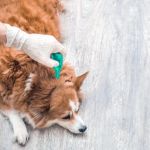 How to Prevent and Treat Parasites in Pets
 Raw Food Diets for Pets: Pros, Cons, and Veterinary Opinions
 What Every Pet Owner Should Know About Parasite Prevention
 How to Provide Safe and Effective Flea Treatment for Your Pet" — Optimized for the target audience and search engines.
 How to Recognize and Treat Skin Allergies in Cats: Expert Tips for Pet Owners
 How to Prevent and Treat Pet Allergies to Food and Environment