

1. Understanding Pet Allergies
Pet allergies are a common concern for many pet owners, with pets experiencing allergic reactions to both food and environmental factors. These allergies can cause discomfort, and in some cases, serious health issues for your furry friend. Understanding the causes and symptoms of these allergies is the first step in prevention and treatment.
2. Common Causes of Pet Allergies
Pet allergies can be triggered by various factors, primarily food and the environment. It’s essential to understand the root cause of the allergy to address it effectively.
2.1 Food Allergies in Pets
Food allergies in pets typically occur when their immune system reacts negatively to specific proteins or ingredients in their food. Common allergens include beef, chicken, dairy, and wheat. Pets can develop these allergies at any age, and symptoms may include gastrointestinal upset, itching, and skin problems.
2.2 Environmental Allergies
Environmental allergies are triggered by things like pollen, dust mites, mold, and even chemicals in cleaning products or air fresheners. Pets who are allergic to environmental factors may show symptoms such as sneezing, coughing, watery eyes, or excessive scratching.
3. How to Prevent Pet Allergies
Prevention is always better than treatment when it comes to pet allergies. Here are some essential steps to prevent your pet from developing or suffering from allergies:
3.1 Choose Hypoallergenic Foods
If you suspect your pet has a food allergy, start by feeding them a hypoallergenic diet. These special diets are designed to eliminate common allergens like beef, chicken, and dairy. Look for foods with novel proteins or ingredients that your pet has not been exposed to before.
3.2 Keep the Environment Clean
Regular cleaning of your home can help reduce allergens like dust, mold, and pollen. Wash pet bedding, vacuum carpets, and keep surfaces clean to reduce the buildup of allergens. You may also want to use an air purifier to help reduce airborne allergens in your home.
3.3 Limit Exposure to Common Triggers
Limiting your pet’s exposure to known allergens is another important prevention strategy. During high pollen seasons, for example, it may be helpful to keep your pet indoors and limit outdoor walks. After being outside, wipe your pet’s paws and coat to remove any allergens they may have picked up.
4. How to Treat Pet Allergies
Even with preventative measures in place, some pets may still develop allergies. When this happens, it’s important to take steps to treat the symptoms and improve your pet’s comfort.
4.1 Consult Your Veterinarian
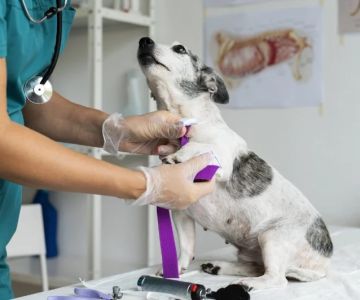
If your pet shows signs of allergies, the first step should be to consult with your veterinarian. They can help diagnose the cause of the allergy through tests and recommend treatment options. This might include antihistamines, corticosteroids, or allergy shots for more severe cases.
4.2 Food Sensitivity Testing
Food sensitivity testing can be an effective way to identify which foods are triggering your pet’s allergic reactions. This will allow you to remove the offending ingredient from their diet and find an appropriate hypoallergenic food.
4.3 Treating Environmental Allergies
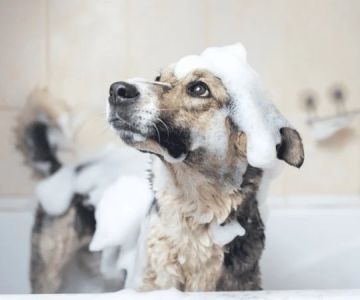
For pets with environmental allergies, reducing exposure to allergens is key. Your veterinarian may recommend medications to help control the symptoms, such as antihistamines or corticosteroids. Regular baths using special pet shampoos designed to reduce allergens can also help soothe irritated skin and reduce itching.
5. Case Studies and Personal Stories
Many pet owners have successfully managed allergies by implementing the tips outlined above. One example involves a dog named Max who was suffering from chronic itching and gastrointestinal issues. After switching to a hypoallergenic food and using an air purifier in the home, Max’s symptoms significantly improved. Another pet owner, Sarah, found success by consulting a vet for her cat’s seasonal pollen allergy, which led to a treatment plan that included antihistamines and avoiding outdoor exposure during high pollen times.
6. Conclusion: A Happier, Healthier Pet
Managing and treating pet allergies to food and the environment may require some trial and error, but with the right approach, you can significantly improve your pet’s health and quality of life. By identifying the causes of your pet’s allergies, taking preventative steps, and using proper treatment, you can ensure your pet remains happy and comfortable.
If you’re looking for more advice or products to support your pet’s health, visit Brothers Pets for the best recommendations on pet care, food, and health products.



 Ellsberry Lisa Dvm3.0 (2 reviews)
 Happy Tails Animal Hospital4.0 (169 reviews)
 Companion Animal Hospital4.0 (105 reviews)
 Robbins Road Animal Clinic4.0 (587 reviews)
 Middletown Animal Hospital: Velazquez Francisco DVM4.0 (2 reviews)
 Veterinary Clinic at the Humane Society of Huron Valley4.0 (745 reviews)
 How to Build a Pet-Friendly Garden: Tips for Safe Outdoor Spaces
 Top 10 Tips for Pet Health - Expert Advice for Happy, Healthy Pets
 Understanding and Managing Urinary Issues in Dogs | Expert Care Tips
 Managing Senior Dog Anxiety Through Routine and Exercise
 How to Recognize and Treat Joint Pain in Older Pets: A Complete Guide
 Top 12 Tips for Pet Grooming Every Pet Owner Should Know | Brothers Pets