

- Understanding Joint Pain in Older Pets
- Common Causes of Joint Pain in Senior Pets
- How to Recognize Joint Pain in Pets
- Treating Joint Pain in Older Pets
- Prevention and Maintenance for Joint Health
- Why Choose Brothers Pets for Joint Health Products
Understanding Joint Pain in Older Pets
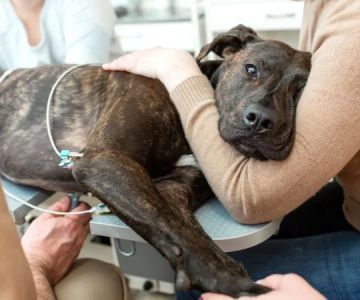
As pets age, their bodies go through many changes. One of the most common issues that older pets face is joint pain, often caused by conditions like arthritis or hip dysplasia. Joint pain can affect your pet’s mobility, behavior, and overall quality of life. It’s important to understand that just like humans, pets experience wear and tear on their joints over time, which can lead to discomfort and pain.
Joint pain in older pets is a common condition that can be managed with proper care and treatment. It’s essential for pet owners to recognize the signs early on so they can take appropriate steps to help alleviate discomfort and maintain their pet’s happiness and health. In this guide, we’ll discuss how to recognize joint pain in pets, its causes, and how to treat and manage it effectively.
Common Causes of Joint Pain in Senior Pets
Several factors contribute to joint pain in older pets. Understanding the underlying causes can help you provide the best care for your furry friend. Some common causes include:
- Arthritis: One of the most common causes of joint pain in older pets is arthritis, a degenerative joint disease that causes inflammation and pain. It can affect various joints, including the hips, knees, elbows, and spine.
- Hip Dysplasia: This is a genetic condition that affects the hip joint and leads to joint instability, causing pain and difficulty moving. While it’s more common in certain breeds, it can affect any dog or cat as they age.
- Injury or Trauma: Previous injuries, such as fractures or ligament tears, can lead to long-term joint pain as your pet ages. The wear and tear from an old injury can cause chronic discomfort.
- Obesity: Carrying excess weight places additional strain on the joints, especially in older pets. Obesity is a significant factor in the development of joint pain and can exacerbate existing conditions like arthritis.
Identifying the root cause of joint pain is essential for developing an effective treatment plan for your pet. Regular veterinary visits are important for diagnosing and managing these conditions early on.
How to Recognize Joint Pain in Pets
Joint pain in older pets can sometimes be subtle and may not always be immediately obvious. However, there are several signs and behaviors that can indicate your pet is suffering from joint pain:
- Difficulty Moving or Stiffness: If your pet is having trouble getting up, walking, or climbing stairs, it could be a sign of joint pain. They may also appear stiff after resting, especially in the mornings.
- Changes in Behavior: Pets in pain often become more irritable or withdrawn. If your pet is suddenly less active, seems moody, or avoids being touched, these could be signs of joint discomfort.
- Reluctance to Jump or Play: A pet with joint pain may hesitate or refuse to jump, run, or engage in physical activity they once enjoyed.
- Limping or Lameness: Watch for limping or favoring one leg over another. This is a clear indication that your pet may be experiencing pain in a specific joint.
- Changes in Grooming Habits: Some pets with joint pain may stop grooming themselves properly, particularly in areas that are difficult to reach due to pain or stiffness.
If you notice any of these signs in your pet, it’s important to consult with your veterinarian for a proper diagnosis and treatment plan.
Treating Joint Pain in Older Pets
Once you’ve recognized that your pet is suffering from joint pain, there are several treatment options available to help alleviate discomfort and improve their quality of life:
- Veterinary Medications: Nonsteroidal anti-inflammatory drugs (NSAIDs) and pain relievers are commonly prescribed by veterinarians to reduce inflammation and relieve pain in pets with arthritis or other joint conditions.
- Joint Supplements: Supplements containing glucosamine, chondroitin, and omega-3 fatty acids can help support joint health and reduce inflammation. These can be found in chewable tablets or added to your pet’s food.
- Weight Management: If your pet is overweight, helping them lose weight can significantly reduce the strain on their joints. A balanced diet and regular exercise can help your pet maintain a healthy weight and reduce joint pain.
- Physical Therapy: Physical therapy, including exercises that stretch and strengthen muscles around the joints, can improve mobility and reduce pain. A veterinary physical therapist can guide you through the process.
- Comfortable Bedding: Provide soft, supportive bedding to ease pressure on your pet’s joints. Memory foam beds or orthopedic cushions can help alleviate discomfort when your pet is resting.
In some cases, surgical intervention may be necessary for pets with severe joint problems. Your veterinarian will guide you in determining the best course of treatment for your pet’s specific condition.
Prevention and Maintenance for Joint Health
While joint pain is common in older pets, there are several steps you can take to prevent or slow down the progression of joint problems:
- Regular Exercise: Low-impact exercises like walking and swimming can help maintain joint mobility and strength. Regular exercise also helps keep your pet’s weight in check, reducing strain on the joints.
- Provide Joint-Supportive Foods: Feed your pet a high-quality diet that includes nutrients that support joint health, such as omega-3 fatty acids, glucosamine, and chondroitin.
- Routine Veterinary Checkups: Regular veterinary visits can help detect joint problems early and allow for early intervention. Your vet can also provide personalized recommendations for joint health maintenance.
Taking these preventive measures can help your pet stay mobile and pain-free as they age.
Why Choose Brothers Pets for Joint Health Products
If you're looking for high-quality joint health products for your senior pet, Brothers Pets offers a variety of supplements, pain relief options, and orthopedic beds to keep your pet comfortable. Our expert team is here to help you find the best products tailored to your pet’s needs.
Visit Brothers Pets today to explore our range of products designed to support joint health and improve your pet’s quality of life!





 Best Puppies For Sale4.0 (96 reviews)
 Pet Assistance, Inc.2.0 (7 reviews)
 The Animal Clinic, P.S.C.4.0 (407 reviews)
 River Mill Animal Hospital - Dr. Tammie Hodge4.0 (114 reviews)
 Dr. Terry L Hills DVM5.0 (4 reviews)
 South County Animal Hospital, A Thrive Pet Healthcare Partner4.0 (145 reviews)
 Raw Food Diets for Pets: Pros, Cons, and Veterinary Opinions
 How to Spot and Treat Liver Disease in Cats and Dogs: A Complete Guide
 How to Spot Symptoms of Food Allergies in Cats: A Guide for Pet Owners
 How to Choose the Right Vet for Your Pet's Specific Needs
 Best Dog Breeds for Active Families with Kids: Top Choices for Fun and Play
 How to Spot Early Signs of Cancer in Pets and What to Do Next