
- 1- Importance of Regular Vet Checkups
- 2- Proper Nutrition for Your Pet's Health
- 3- Keeping Your Pet Active and Fit
- 4- Dental Care: A Key to Long-Term Health
- 5- Grooming Tips for a Healthy Coat
- 6- Maintaining Mental Health for Pets
- 7- Preventing Fleas, Ticks, and Other Parasites
- 8- The Role of Hydration in Pet Health
- 9- Understanding Pet Vaccinations and Preventive Care
- 10- Knowing When to Seek Professional Help
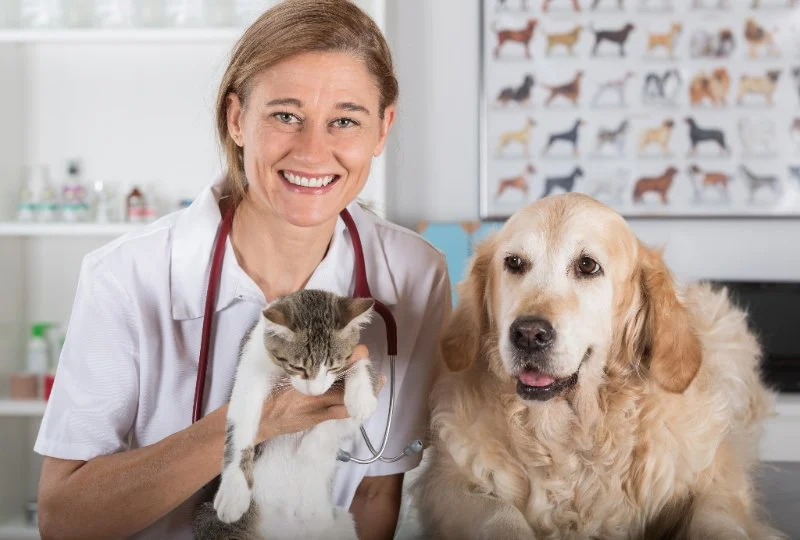
1- Importance of Regular Vet Checkups
Ensuring your pet’s health starts with regular visits to the veterinarian. A checkup every six months to a year can help detect any potential health issues before they become serious. Regular exams help your vet monitor your pet’s growth, behavior, and overall wellness, allowing for timely intervention if necessary. Make sure to keep up with vaccinations and routine screenings to maintain your pet’s health.
2- Proper Nutrition for Your Pet's Health
Providing a balanced diet is crucial for your pet’s overall health. Just like humans, pets need the right nutrients to support their energy, immune system, and organs. Consult your vet to determine the best type of food based on your pet’s age, breed, and health status. High-quality food, appropriate portion sizes, and fresh water are fundamental to keeping your pet in top shape.
3- Keeping Your Pet Active and Fit
Physical activity is essential for pets to stay healthy, prevent obesity, and improve their mental well-being. Regular exercise, such as daily walks for dogs or interactive play for cats, helps them stay fit and happy. Exercise also reduces the risk of diseases like heart disease and diabetes. Be sure to adjust your pet’s activity level according to their age, health condition, and breed.
4- Dental Care: A Key to Long-Term Health
Dental health is often overlooked, but it plays a significant role in your pet’s overall health. Plaque and tartar buildup can lead to gum disease, tooth loss, and even affect your pet’s internal organs. Brush your pet’s teeth regularly and provide dental chews or toys to help clean their teeth. Professional dental cleanings at the vet may also be necessary for pets with severe dental issues.
5- Grooming Tips for a Healthy Coat
Grooming isn’t just about making your pet look good; it’s an important part of keeping them healthy. Regular brushing helps remove dirt, prevents matting, and distributes natural oils in the coat. It also allows you to check for parasites like fleas and ticks. Depending on your pet’s breed, you may also need to schedule regular professional grooming appointments to keep their coat in the best condition.
6- Maintaining Mental Health for Pets
A pet’s mental health is just as important as their physical health. Pets need stimulation and interaction to keep their minds sharp. Engaging in regular play, providing new toys, and offering new experiences are great ways to keep your pet mentally stimulated. Ensure your pet has a calm and safe space to retreat to when they need it, and consider professional behavior training for pets with anxiety or aggression issues.
7- Preventing Fleas, Ticks, and Other Parasites
Parasites like fleas and ticks can cause serious health problems for pets, including skin infections, allergies, and the spread of disease. Use veterinarian-approved flea and tick preventatives to protect your pet year-round. Regularly check your pet for signs of fleas or ticks, especially after outdoor activities. If you notice any, consult your vet for appropriate treatment options.
8- The Role of Hydration in Pet Health
Hydration is essential for maintaining your pet’s health. Water helps regulate body temperature, aids digestion, and keeps the kidneys functioning properly. Always provide fresh water and encourage your pet to drink, especially during warmer weather. For pets that don’t drink enough, consider offering wet food or using a pet water fountain to entice them.
9- Understanding Pet Vaccinations and Preventive Care
Vaccinations are a critical part of protecting your pet from serious diseases. Stay up to date with your pet’s vaccination schedule, as recommended by your vet. Regular preventive care, including parasite control and dental checkups, helps to avoid health issues before they develop. Speak with your vet to create a tailored preventive care plan for your pet based on their health status and lifestyle.
10- Knowing When to Seek Professional Help
As a pet owner, it’s important to know when your pet needs professional help. If your pet shows signs of illness, such as a loss of appetite, lethargy, vomiting, or diarrhea, consult your vet immediately. Early intervention can prevent more serious problems down the road. Regular health checkups are also essential to detect issues before they become critical.
By following these tips, you can ensure your pet enjoys a long, healthy, and happy life. Remember, prevention is key when it comes to pet health, and regular care will help your furry friend live their best life. If you’re looking for more information on pet health, be sure to visit Brothers Pets for the best products and services available for your pets.




 Jamestown Vet4.0 (8 reviews)
 Vetco Total Care Animal Hospital4.0 (304 reviews)
 The Cat Practice4.0 (170 reviews)
 Lancaster Veterinary Specialties4.0 (142 reviews)
 Buckeystown Veterinary Hospital4.0 (267 reviews)
 Griffin Animal Hospital4.0 (245 reviews)
 Raw Food Diets for Pets: Pros, Cons, and Veterinary Opinions
 Pet Travel: What Vets Want You to Know Before You Go
 How to Safely Transition Your Pet to a New Food Brand – Expert Tips
 Preparing Your Pet for a New Baby in the Home: A Complete Family Guide
 Top 9 Tips for Pet Training That Actually Work
 How to Help Pets Cope with Separation Anxiety: Tips and Solutions