
- pet-travel-what-vets-want-you-to-know
- why-preparation-is-crucial-before-traveling-with-your-pet
- health-checks-and-required-documents-for-pet-travel
- how-to-minimize-pet-travel-stress-according-to-vets
- safe-transport-tips-for-different-modes-of-travel
- real-case-how-poor-preparation-almost-ruined-a-pet-vacation
- brothers-pets-has-your-travel-needs-covered
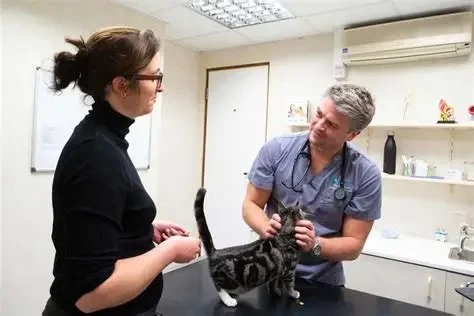
1. Pet Travel: What Vets Want You to Know
Whether you're planning a weekend getaway or moving across the country, traveling with your pet can be both exciting and nerve-wracking. From health concerns to documentation, there are several key things that vets wish every pet owner knew before hitting the road or skies. This guide covers essential vet-approved tips to make your pet’s journey safe, comfortable, and stress-free—starting with a thorough understanding of what’s truly required.
2. Why Preparation Is Crucial Before Traveling with Your Pet
2.1 Travel Can Disrupt Your Pet’s Routine
Animals thrive on consistency, and travel can be a major disruption. Your pet may experience anxiety, digestive issues, or behavioral changes when removed from their usual environment. Preparing early reduces these risks and gives your pet a smoother transition.
2.2 Travel Regulations Vary Widely
From airline rules to state border requirements, traveling with pets isn't as simple as booking a ticket. Each airline or state may have its own rules, such as crate dimensions or vaccination mandates. Being unaware of these can delay or cancel your trip—something vets frequently warn about.
3. Health Checks and Required Documents for Pet Travel
3.1 Vet Clearance Is Often Mandatory
For air travel or crossing international borders, most authorities require a recent veterinary health certificate. This document confirms that your pet is fit to travel and up to date on vaccinations, such as rabies. Most airlines require this certificate to be issued within 10 days of departure.
3.2 Microchipping and ID Tags
Veterinarians strongly recommend microchipping pets who travel. In the event of separation, microchips are far more reliable than collars alone. Updated ID tags with your phone number are also a must for both domestic and international trips.
3.3 Don’t Forget Flea, Tick, and Heartworm Prevention
Spring and summer travel increases exposure to pests. Vets emphasize updating parasite prevention before travel, especially if your destination has different regional risks. In some cases, border officials may even require proof of parasite treatments.
4. How to Minimize Pet Travel Stress, According to Vets
4.1 Practice Short Trips Before the Big Day
A gradual approach can help pets get used to car rides or crate time. Veterinarians often recommend taking your pet on short drives leading up to your trip. This helps them associate the carrier or car with safety—not fear.
4.2 Calming Aids and Vet-Approved Sedatives
In severe cases of anxiety, your vet may prescribe a light sedative or suggest natural calming aids like pheromone sprays or CBD drops. Never use over-the-counter products without professional guidance. Vets stress that incorrect dosage can be dangerous.
4.3 Feeding Schedules and Water Access
Most vets suggest not feeding your pet right before traveling, especially for motion-sensitive animals. However, hydration should always be maintained. Plan water breaks if you’re traveling by car, and invest in spill-proof bowls for all modes of travel.
5. Safe Transport Tips for Different Modes of Travel
5.1 Air Travel: Crates and Cabin Protocol
If your pet is flying, make sure their crate is IATA-compliant. Vets often see injuries due to poor-quality crates or improper sizing. For small pets flying in-cabin, airlines typically require soft-sided carriers that fit under the seat.
5.2 Car Travel: Securing Your Pet Properly
Free-roaming pets in cars are not only dangerous—they’re illegal in some states. Vets recommend using a pet seat belt, carrier, or secured crate. Never allow your pet to stick its head out the window, as this can lead to injury or eye infections.
5.3 Trains and Ferries: Know the Rules in Advance
Amtrak and many ferry services allow pets, but only under specific conditions. Your vet can help you determine whether your pet is suited for these types of travel, especially when crating or long travel times are involved.
6. Real Case: How Poor Preparation Almost Ruined a Pet Vacation
In 2022, a couple traveling from Florida to Canada with their golden retriever was turned away at the border. They had failed to bring an updated rabies certificate dated within the past 12 months. The pet had been vaccinated—but the document was expired. The result? A two-day delay and hundreds of dollars in last-minute vet visits and rebooking fees.
This type of situation happens more than you’d think, and it underscores what vets constantly remind pet owners: never assume your paperwork is in order. Always double-check and confirm with both your vet and your travel carrier.
7. Brothers Pets Has Your Travel Needs Covered
Whether you're flying, driving, or sailing with your furry friend, Brothers Pets offers everything from IATA-approved travel crates to natural calming supplements and vet-recommended treats. We understand how overwhelming pet travel can be, which is why our curated selection is built on expert input and real customer feedback.
Don’t leave anything to chance—visit Brothers Pets to make sure your next trip with your pet is as smooth and safe as it should be.






 The Perfect Puppy3.0 (105 reviews)
 Stacy Road Pet Hospital4.0 (106 reviews)
 VCA Castle Hills Companion Animal Hospital4.0 (460 reviews)
 Spring Branch Veterinary Hospital4.0 (298 reviews)
 Dogwood Veterinary Clinic4.0 (68 reviews)
 Animal Medical Center of Middletown4.0 (554 reviews)
 The Ultimate Guide to Pet Vaccination for US Pet Owners
 How to Care for Pets with Special Medical Needs
 Best Dog Breeds for Active Families with Kids: Top Picks for Adventure
 How to Choose the Best Flea and Tick Prevention for Your Pet
 Top 7 Expert Tips for Ensuring Pet Safety at Home and On the Go
 Common Mistakes in Pet Health and How to Avoid Them - Expert Tips for Healthy Pets