

1. Understanding Pets with Special Medical Needs
Pets with special medical needs require extra care and attention, as they may be dealing with chronic conditions, disabilities, or recovering from surgery. These pets may include senior pets, those with illnesses like diabetes or arthritis, and pets with conditions that require ongoing management. Understanding their specific medical needs is essential for providing the proper care.
It's crucial to recognize that caring for a pet with special medical needs isn’t just about managing their physical condition; it's also about ensuring they live a happy, comfortable, and stress-free life. This often requires collaboration with your veterinarian to develop a personalized care plan based on your pet’s individual health requirements.
2. How to Establish a Care Routine for Special Needs Pets
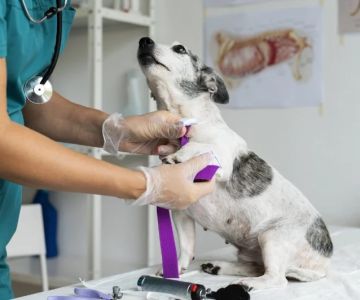
Establishing a routine is key when caring for pets with special medical needs. Routine helps your pet feel secure and ensures that all aspects of their care are covered. Here are some essential steps to create a comprehensive care routine:
- Regular Veterinary Visits: Regular check-ups with your veterinarian are essential for managing your pet’s condition. Your vet will monitor their health and make necessary adjustments to their treatment plan.
- Consistent Medication Schedule: Pets with special medical needs may require daily medications. Setting reminders for administering medications ensures they receive the proper doses at the right times.
- Exercise and Activity: While some pets may have limited mobility due to their condition, they still need mental and physical stimulation. Modify exercise routines based on your pet’s abilities, such as shorter walks or interactive play sessions.
- Regular Grooming: Pets with special needs may require more frequent grooming to ensure their comfort. For instance, pets with arthritis may need help with cleaning or brushing hard-to-reach areas.
By keeping to a routine, you can better manage your pet’s condition and give them the care they need to thrive.
3. Diet and Nutrition for Pets with Medical Conditions
Proper nutrition is an essential aspect of managing pets with medical conditions. A tailored diet can help maintain their health, manage weight, and support their overall well-being. For pets with special needs, a balanced diet can be crucial in managing their condition.
For instance, pets with diabetes need a diet that helps control blood sugar levels, while pets with arthritis may benefit from foods that reduce inflammation. It’s important to consult with your veterinarian to find the best food options for your pet’s specific health condition. You might also want to consider incorporating supplements, such as joint health aids or probiotics, as recommended by your vet.
Additionally, ensuring your pet stays hydrated is essential, especially if they are on a specific diet. Monitor their water intake, as some medical conditions can make pets more prone to dehydration.
4. Administering Medications and Treatments
For pets with special medical needs, administering medication and treatments correctly is vital for their recovery and comfort. Pets may require oral medications, injections, topical treatments, or specialized therapies. Here are some tips for administering these treatments effectively:
- Follow Instructions Carefully: Always follow the exact dosage and frequency prescribed by your veterinarian. If you're unsure about how to administer a particular medication, ask for guidance.
- Use Medication Reminders: Setting daily reminders can help you remember when it’s time for your pet’s medication. This is especially helpful if your pet is on multiple medications.
- Positive Reinforcement: Many pets are hesitant when it comes to taking medication. Use treats or praise as positive reinforcement to help them associate their treatment with a positive experience.
- Monitor for Side Effects: Keep an eye on any changes in your pet’s behavior or health after starting a new medication. If you notice anything unusual, contact your veterinarian.
Effective medication administration is key to improving your pet’s quality of life and managing their condition successfully.
5. Providing Emotional and Physical Support for Your Pet
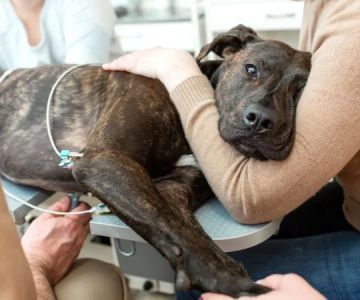
Pets with special medical needs often require more than just physical care; they also need emotional and psychological support. Chronic illness or injury can be stressful for pets, and they may become anxious, depressed, or less active due to their condition. Here are some ways you can offer emotional support:
- Provide Comfort and Reassurance: Spend extra time with your pet, providing comfort and reassurance. Physical touch, such as gentle petting, can be very soothing for pets feeling unwell.
- Maintain a Calm Environment: Keep your home environment calm and stress-free. Loud noises or sudden changes in routine can upset a sick pet, so try to maintain consistency.
- Enrich Their Environment: Offer toys or activities that stimulate your pet mentally. Even if your pet is limited in physical activity, puzzle toys or interactive games can keep their minds engaged.
Emotional support plays an integral role in a pet's overall well-being. Ensuring they feel safe and loved will aid their recovery and comfort.
6. Real-Life Case: Caring for a Pet with Special Medical Needs
Take the example of Max, a 12-year-old golden retriever diagnosed with arthritis. Max had trouble getting up in the mornings and had decreased mobility, which affected his quality of life. After consulting with his veterinarian, his owner implemented a care routine that included a joint-friendly diet, daily pain management medication, and low-impact activities like short walks and swimming. Over time, Max's mobility improved, and his owner noticed that he was more active and happier.
Max's story is a perfect example of how a carefully tailored care routine, including the right diet, medications, and activities, can significantly improve the quality of life for pets with special medical needs.
For more helpful products, services, and advice on caring for pets with special medical needs, visit Brothers Pets, where we offer a range of resources to support your pet's health and happiness.




 Gilmore's Tidy Tanks LLC0.0 (0 reviews)
 Life Care Animal Hospital: Harlow Amanda DVM3.0 (9 reviews)
 Vetco Vaccination Clinic4.0 (16 reviews)
 Golf-Mil Veterinary Hospital4.0 (199 reviews)
 Creature Comforts Animal Hospital4.0 (788 reviews)
 Woodside Animal Hospital4.0 (459 reviews)
 How to Safely Handle Pet Emergencies: A First-Aid Guide
 How to Choose the Right Veterinarian for Your Pet's Health Needs
 How to Train Your Pet to Be Comfortable Around Strangers
 Expert Advice on Pet Fitness: Keep Your Pet Healthy and Active
 Tips for Teaching Puppies Basic Commands at Home: A Beginner's Guide
 Benefits of Microchipping Your Pet for Safety and Recovery