
1- The Importance of Pet Safety in Families
Pets are an important part of many families, offering companionship and joy. However, pet injuries, like dog bites and cat scratches, can happen unexpectedly, especially in homes with young children. Understanding how to prevent these injuries is essential for ensuring everyone’s safety. In this article, we will explore key safety tips that can help prevent dog bites and cat scratches, making your home a safer place for both your pets and family members.
1.1- The Growing Concern of Pet-Related Injuries
Pet-related injuries, particularly dog bites and cat scratches, are more common than many people realize. The Centers for Disease Control and Prevention (CDC) reports that dog bites alone cause around 4.5 million injuries annually in the United States. Similarly, cat scratches can lead to infections, especially if not treated properly. These injuries can range from minor scratches to more serious wounds, so it's crucial to know how to manage pet behavior and avoid dangerous situations.
2- Understanding Dog Behavior: How to Prevent Dog Bites
Dog bites are often the result of fear, stress, or territorial behavior. Learning how to read your dog’s body language and understanding its behavior are critical steps in preventing bites.
2.1- Recognizing Warning Signs
Before a dog bites, it will often give warning signals. These may include growling, baring teeth, or stiffening its body. Understanding these signals can help you intervene before the situation escalates.
2.2- Safe Interaction with Dogs
When interacting with dogs, especially unfamiliar ones, always follow these safety tips:
- Approach Slowly: Avoid surprising or startling the dog. Always approach calmly and give the dog a chance to sniff you before petting.
- Don’t Disturb a Dog While Eating or Sleeping: Dogs are more likely to become protective over their food or personal space, so avoid disturbing them in these situations.
- Teach Children How to Handle Dogs: Ensure children understand that they should never approach a dog suddenly or engage in rough play that could provoke a bite.
2.3- Training and Socializing Your Dog
Training and socializing your dog from a young age are essential to reduce the risk of aggressive behavior. Enrolling in obedience classes and encouraging positive interactions with other animals and people will help your dog feel more comfortable in various situations.
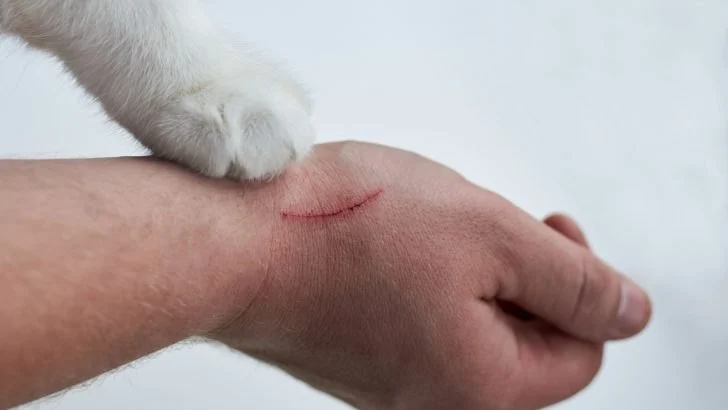
3- Preventing Cat Scratches: How to Stay Safe Around Cats
While cats are often seen as less dangerous than dogs, their claws can cause significant injury, especially if they feel threatened. Understanding cat behavior and how to interact with them safely can prevent scratches.
3.1- Recognizing Cat Body Language
Like dogs, cats communicate through their body language. Signs of irritation or aggression in cats include a twitching tail, flattened ears, and dilated pupils. If you see these signs, it’s best to give the cat some space.
3.2- Safe Handling of Cats
To avoid scratches:
- Never Pull on a Cat’s Tail or Fur: This can provoke a cat to scratch out of fear or frustration.
- Use Proper Restraint: When holding a cat, support its body properly to prevent squirming. Allow the cat to feel secure in your hands.
- Avoid Rough Play: Do not encourage aggressive play by using your hands or feet. Cats may mistake this for playtime and scratch or bite in response.
3.3- Keeping Cats' Claws Trimmed
Regularly trimming your cat’s claws is an effective way to reduce the severity of scratches. If you’re unsure how to trim your cat’s claws safely, ask your veterinarian for guidance or take your cat to a professional groomer.
4- How to Protect Children from Dog Bites and Cat Scratches
Children are especially vulnerable to pet-related injuries, and it’s important to teach them how to interact with animals safely. Children are more likely to approach pets quickly or without regard for their behavior, which can provoke an aggressive response.
4.1- Teach Kids How to Approach Pets
One of the most effective ways to prevent pet injuries is by teaching children how to approach animals calmly and respectfully. Here are a few important lessons for kids:
- Always ask permission before petting an animal, even if you know the pet well.
- Don’t make loud noises or quick movements around pets.
- Respect the animal’s space, especially if it looks tired or scared.
4.2- Supervise Interactions
Always supervise young children when they are interacting with dogs and cats. Even the friendliest pets can become startled and react unexpectedly. It’s best to stay close and ready to intervene if needed.
5- Real-Life Case Study: How Proper Pet Interaction Prevented a Dog Bite
A case that illustrates the importance of proper pet interaction involved a young girl, Emma, who was bitten by the family dog. She had approached the dog quickly while it was eating, and the dog became defensive. However, after taking a pet safety class, her family learned the importance of respecting the dog’s space during mealtime. After following proper pet safety techniques, Emma and the dog were able to form a safe, friendly relationship, and no further incidents occurred.
6- Why Choose Brothers Pets for Your Pet Care Needs
At Brothers Pets, we offer a wide range of pet products and training resources to help ensure the safety of your pets and family. From pet safety tips to recommended pet products, our experts are here to help you keep your pets healthy and safe.
Visit Brothers Pets today for the best pet care products and safety resources for your home.






 Glenway Animal Hospital: Cron Diana D DVM5.0 (5 reviews)
 Clevengers Corner Veterinary Care4.0 (321 reviews)
 Sunset Canyon Veterinary Clinic: Menigo Erin DVM4.0 (30 reviews)
 Lincolnwood Animal Hospital4.0 (18 reviews)
 Vet and Grooming Las Vegas0.0 (0 reviews)
 Zoe's Barkery & Kitchen5.0 (9 reviews)
 How to Recognize Signs of Heartworm in Dogs and Protect Them
 How to Spot and Treat Liver Disease in Cats and Dogs: A Complete Guide
 Preparing Your Pet for a New Baby in the Home: A Complete Family Guide
 Top 9 Tips for Pet Training Every Owner Should Know
 How to Help Dogs Recover from Stressful Events – Effective Strategies for Relief
 Best Supplements to Support Healthy Aging in Cats: Keep Your Senior Cat Active