
- 1-nutrition-is-the-foundation-of-pet-health
- 2-hydration-keeps-them-thriving
- 3-regular-vet-visits-matter
- 4-exercise-is-essential-for-body-and-mind
- 5-grooming-isnt-just-cosmetic
- 6-parasite-prevention-protects-long-term-health
- 7-mental-stimulation-keeps-pets-happy
- 8-dental-care-is-more-important-than-you-think
- 9-know-the-signs-of-illness-early
- 10-understand-their-breed-needs
- 11-vaccinations-are-key-for-prevention
- 12-safe-space-matters-for-their-emotional-health
- 13-maintain-a-healthy-weight
- 14-love-is-the-greatest-health-boost
1. Nutrition Is the Foundation of Pet Health
What you feed your pet matters. Choosing a balanced diet tailored to their age, breed, and activity level can prevent obesity, allergies, and chronic disease. For example, a golden retriever with joint issues may benefit from glucosamine-rich food. Brands recommended by experts—and trusted by pet lovers—are often found through resources like Brothers Pets.
2. Hydration Keeps Them Thriving
Water bowls should be cleaned daily and filled with fresh, clean water. Dehydration can lead to kidney problems, especially in cats, who tend to drink less. Consider pet fountains if your pet prefers moving water.
3. Regular Vet Visits Matter
Annual or semi-annual checkups help identify problems early. Preventive care saves lives and money. Many diseases like diabetes or thyroid issues are manageable if caught early through blood work.
4. Exercise Is Essential for Body and Mind
A tired pet is a happy pet. Dogs need walks, fetch sessions, or agility time, while indoor cats benefit from interactive toys and climbing structures. Case in point: a beagle named Bruno became less destructive once his owner added a second daily walk.
5. Grooming Isn’t Just Cosmetic
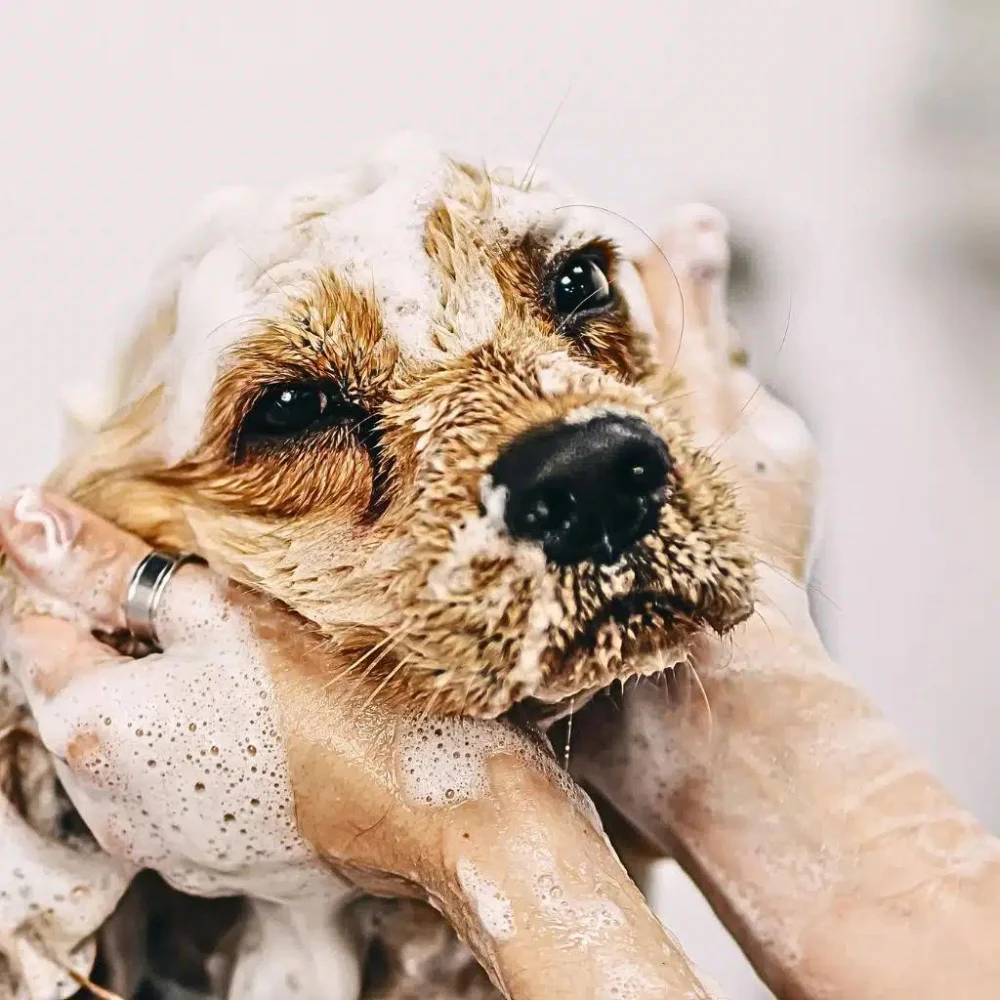
Brushing helps prevent matting, reduces shedding, and distributes natural oils. Nail trims prevent painful overgrowth, and clean ears avoid infections. Regular grooming is also a great opportunity to spot skin issues early.
6. Parasite Prevention Protects Long-Term Health
Ticks, fleas, and worms can be more than just an itchy nuisance—they can carry dangerous diseases. Use veterinarian-recommended preventatives and check pets after outdoor play.
7. Mental Stimulation Keeps Pets Happy
Puzzles, training, and scent games prevent boredom-related behaviors. Try teaching your dog new tricks or giving your cat a treat-dispensing toy to boost their problem-solving skills.
8. Dental Care Is More Important Than You Think
Dental disease affects 80% of dogs and cats over age 3. Bad breath can signal deeper issues. Use pet-safe toothbrushes or dental chews recommended by veterinarians.
9. Know the Signs of Illness Early
Watch for changes in appetite, behavior, litter box use, or energy. Subtle shifts—like sleeping more or hiding—can signal serious issues. Trust your instincts; you know your pet best.
10. Understand Their Breed Needs
Each breed has specific care requirements. Huskies need vigorous exercise; Persian cats require daily grooming. Understanding these helps prevent breed-related problems like hip dysplasia or respiratory issues.
11. Vaccinations Are Key for Prevention
Routine vaccinations protect against deadly diseases like rabies and parvo. Discuss with your vet which shots are essential for your pet’s lifestyle, especially if you travel or frequent parks.
12. Safe Space Matters for Their Emotional Health
Every pet needs a “den”—a place to retreat. This reduces stress and anxiety, especially during fireworks or houseguests. Soft bedding and low-light areas help pets feel secure.
13. Maintain a Healthy Weight
Overweight pets are at higher risk for arthritis, diabetes, and heart disease. Measure meals, use healthy treats, and avoid table scraps. A lean pet lives longer and stays more mobile.
14. Love Is the Greatest Health Boost
Affection, attention, and positive reinforcement nurture emotional well-being. Pets that feel loved often live healthier lives. Don’t underestimate daily cuddles or praise—they’re medicine, too.






 Exclusively Cats Veterinary Hospital4.0 (327 reviews)
 Georgetown Veterinary Hospital4.0 (31 reviews)
 Chris' Tropical Treasures3.0 (29 reviews)
 GoodVets Uptown (Chicago)4.0 (462 reviews)
 Pawsome0.0 (0 reviews)
 Harbor Point Animal Hospital4.0 (328 reviews)
 Top 10 Tips for Pet Safety Every Owner Should Know
 How to Help Pets Cope with Separation Anxiety | Brothers Pets
 How to Help Your Pet Cope with Anxiety During Vet Visits: Tips for Stress-Free Trips
 Best Practices for Dog Grooming Between Vet Visits: Essential Tips for Pet Care
 How to Keep Your Senior Cat Active and Engaged – Tips and Activities
 How to Spot and Treat Canine Distemper