
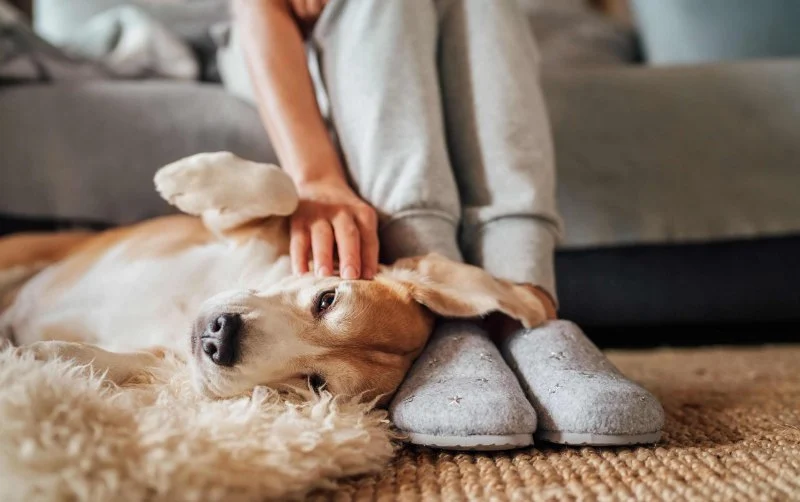
How to Help Pets Cope with Separation Anxiety
- 1- Understanding Separation Anxiety in Pets
- 2- Signs Your Pet is Experiencing Separation Anxiety
- 3- Practical Strategies to Help Your Pet Cope
- 4- Professional Help and Therapy for Separation Anxiety
- 5- Preventing Future Separation Anxiety
- 6- Tips for Managing Your Pet’s Anxiety While You're Away
1- Understanding Separation Anxiety in Pets
Separation anxiety in pets is a common condition, affecting both dogs and cats. It occurs when your pet becomes distressed when left alone or separated from their owner. For many pet owners, this is a frustrating and often heartbreaking issue. However, with the right approach, separation anxiety can be managed effectively. In this article, we’ll dive into the causes, signs, and best strategies for helping your pet cope with this emotional challenge.
2- Signs Your Pet is Experiencing Separation Anxiety
Recognizing the signs of separation anxiety is the first step in addressing the problem. The symptoms can vary from mild to severe, and they often become more pronounced when your pet is left alone for extended periods.
2.1- Destructive Behavior
If your pet starts destroying furniture, doors, or personal items when you’re gone, it may be a sign of separation anxiety. This is often a way for them to cope with the stress of being alone.
2.2- Excessive Barking or Meowing
Pets suffering from separation anxiety may vocalize excessively when they’re alone. This can include barking, whining, or meowing, often non-stop, as they try to call for attention or express their distress.
2.3- Accidents Inside the House
Pets with separation anxiety may have accidents inside the house, even if they’re typically house-trained. This happens because they become so stressed that they lose control of their bladder or bowels.
3- Practical Strategies to Help Your Pet Cope
Once you identify that your pet is experiencing separation anxiety, the next step is to try and ease their stress. Below are practical strategies that can help calm your pet:
3.1- Gradual Desensitization
Start by leaving your pet alone for short periods of time and gradually increase the duration. This method helps them get used to being alone without feeling abandoned. Over time, they will learn that you will always return.
3.2- Create a Safe and Comfortable Space
Designate a small, safe space for your pet when you're away, like a cozy crate or room with their favorite blanket and toys. This can help them feel secure and reduce stress.
3.3- Provide Mental Stimulation
Engage your pet in stimulating activities like puzzle toys or treat-dispensing toys. These help distract them and keep their minds active while you’re away, making them less likely to focus on their anxiety.
4- Professional Help and Therapy for Separation Anxiety
If your pet’s separation anxiety is severe or doesn’t improve with basic strategies, it may be time to seek professional help. A veterinarian or pet behaviorist can offer guidance and tailored treatment options.
4.1- Medication
In some cases, your veterinarian may recommend medication to help manage your pet’s anxiety. These medications can help calm their nerves and make it easier for them to cope with being left alone.
4.2- Behavioral Therapy
Working with a professional pet behaviorist can provide more structured behavioral training. They will help teach your pet how to cope with separation anxiety through specific techniques and positive reinforcement.
5- Preventing Future Separation Anxiety
It’s important to prevent separation anxiety before it becomes a serious issue. Here are some preventative measures to consider:
5.1- Avoid Over-Attaching
While it’s natural to love and care for your pet, avoid over-indulging them with constant attention, as this can lead to attachment issues. Instead, try to establish healthy boundaries that help them feel secure even when you’re not around.
5.2- Keep a Consistent Routine
Animals thrive on routine. Keeping feeding times, walks, and bedtime consistent will help your pet feel secure, knowing what to expect each day. This predictability can reduce anxiety.
6- Tips for Managing Your Pet’s Anxiety While You're Away
If you have a pet with separation anxiety, there are ways to make them feel more comfortable when you’re away. Here are a few tips:
6.1- Leave on a Calm Note
Don’t make a big deal when you leave or return home. Keep your departures and arrivals low-key to prevent your pet from associating them with stress.
6.2- Provide Comforting Sounds
Leave a calming playlist or a television on to provide soothing background noise while you’re away. This can help reduce feelings of isolation for your pet.
6.3- Hire a Pet Sitter
If possible, consider hiring a pet sitter or asking a friend to spend time with your pet during the day. This can help break up their day and keep them company, reducing their stress.
Conclusion
Separation anxiety in pets is a manageable condition, but it requires patience, consistency, and care. By understanding the signs, providing comfort, and seeking professional help when needed, you can help your pet overcome their anxiety and live a happier, more comfortable life. For more advice, tips, and recommendations on pet care, visit Brothers Pets for expert guidance and the best pet products.





 McPheron Animal Clinic4.0 (225 reviews)
 VIP Petcare Vaccination Clinic0.0 (0 reviews)
 Shoreline Veterinary Hospital4.0 (145 reviews)
 Glen Lake Animal Hospital3.0 (16 reviews)
 Allen Animal Hospital4.0 (192 reviews)
 Luci's Pet Pantry4.0 (11 reviews)
 Managing Senior Dog Anxiety Through Routine and Exercise
 Signs Your Cat Needs Professional Dental Cleaning
 How to Choose the Best Diet for Your Pet’s Age and Health Needs
 Understanding Canine Diabetes and Dietary Needs: A Guide for Pet Owners
 Tips for Reducing Shedding in Long-Haired Dogs | Grooming Advice
 What Every Pet Owner Should Know About Pet Aging