
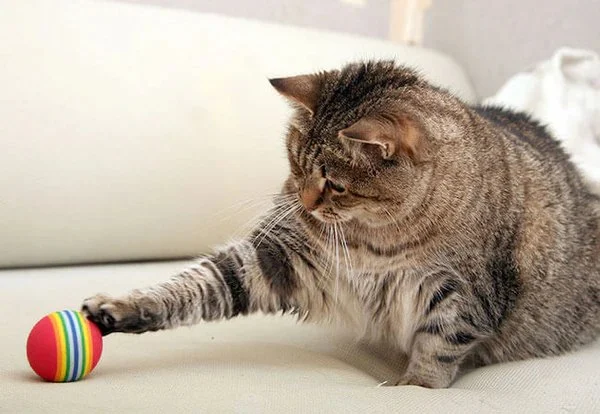
How to Keep Your Senior Cat Active and Engaged
- 1 - Understanding the Needs of Senior Cats
- 2 - Importance of Physical Exercise for Senior Cats
- 3 - Best Exercise Activities for Senior Cats
- 4 - Mental Engagement for Senior Cats
- 5 - Creating a Cat-Friendly Environment for Senior Cats
1 - Understanding the Needs of Senior Cats
As your cat ages, its physical and mental health needs change. Senior cats, typically those over the age of 7, require more attention and tailored care to keep them healthy, happy, and active. While they may not be as playful as they were in their younger years, it is still important to engage them regularly to maintain their quality of life.
Senior cats often experience decreased mobility, changes in appetite, and may even suffer from arthritis or dental issues. Understanding these challenges is crucial in providing the right care. However, there are plenty of ways to keep them active and engaged to ensure they stay healthy and stimulated.
2 - Importance of Physical Exercise for Senior Cats
Physical exercise is just as important for senior cats as it is for younger ones. As cats age, they may become less active, leading to obesity, muscle loss, and joint problems. Regular exercise can help prevent these issues and improve overall health, mobility, and mood.
Exercise also helps prevent boredom, which can lead to behavioral problems in senior cats. Cats that don’t get enough physical activity may become stressed or anxious, making them less inclined to interact with their environment. Engaging your senior cat in gentle, low-impact exercises will help them stay active and healthy.
3 - Best Exercise Activities for Senior Cats
There are several ways to keep your senior cat physically active without putting too much strain on their body:
1. Wand Toy Play: Wand toys are great for engaging your senior cat’s predatory instincts while providing low-impact exercise. Simply move the toy around to encourage them to chase, pounce, and jump.
2. Laser Pointers: Laser pointers are excellent for encouraging your cat to move, jump, and chase. Be sure to use it in moderation to prevent frustration and always end the session with a tangible toy for them to catch.
3. Interactive Cat Wheels: Some senior cats enjoy walking or running on interactive cat wheels, similar to hamster wheels. This provides a great outlet for energy while offering a good cardiovascular workout.
4. Stretching Exercises: Gently stretching your cat’s legs and limbs can help maintain flexibility and reduce stiffness, especially in older cats with arthritis. You can carefully hold their legs and gently extend them to promote mobility.
4 - Mental Engagement for Senior Cats
Mental stimulation is just as important as physical activity for senior cats. As they age, their cognitive functions may decline, leading to confusion or forgetfulness. Keeping their minds sharp through enrichment activities can help prevent cognitive dysfunction and keep them mentally healthy.
1. Puzzle Feeders: Puzzle feeders are a great way to engage your cat’s brain. They challenge your cat to solve puzzles in order to get food, stimulating their problem-solving abilities and providing a rewarding experience.
2. Hide-and-Seek Games: Hide small treats or toys around the house and encourage your cat to find them. This game helps stimulate their natural hunting instincts and provides mental stimulation.
3. New Toys and Scents: Introduce new toys or different scents into your home. Cats are curious creatures, and a new object can pique their interest, encouraging them to investigate and engage.
5 - Creating a Cat-Friendly Environment for Senior Cats
In addition to exercise and mental engagement, it’s essential to create an environment that is comfortable and safe for your senior cat. As cats age, they may develop mobility issues or other health concerns that require special consideration.
1. Soft and Accessible Bedding: Make sure your senior cat has a cozy bed that is easy to access. Choose a soft, supportive bed that is elevated to help them get in and out easily, especially if they suffer from arthritis or joint pain.
2. Elevated Food and Water Bowls: If your cat experiences joint pain, consider raising their food and water bowls to a comfortable height to reduce strain on their neck and back.
3. Safe Hiding Spots: Provide your senior cat with safe, quiet spaces where they can retreat and rest. Older cats tend to sleep more, so having a calm space can help them relax and recharge.
4. Non-Slip Rugs: Place non-slip rugs or mats around your home to help your cat walk with confidence. These rugs will prevent them from slipping on smooth surfaces and help avoid falls.
By making these simple adjustments and incorporating regular activities into their routine, you can help your senior cat remain active, healthy, and happy in their golden years.
If you’re looking for high-quality products to support your senior cat's health, visit Brothers Pets for the best recommendations and services tailored to your pet’s needs.





 White Oaks Veterinary Clinic4.0 (141 reviews)
 Aqualife Aquarium Systems4.0 (32 reviews)
 Michael D. Wall DVM4.0 (54 reviews)
 Happy Paws US4.0 (190 reviews)
 PetVet Vaccination Clinic0.0 (0 reviews)
 Vetco Vaccination Clinic5.0 (2 reviews)
 How to Spot and Treat Canine Distemper: A Complete Guide for Pet Owners
 How to Spot and Treat Chronic Skin Conditions in Pets
 Top Puppy Training Mistakes and How to Avoid Them
 How to Spot and Treat Canine Hip Dysplasia: A Comprehensive Guide
 Common Skin Conditions in Dogs and Their Treatments – Practical Guide for Pet Owners
 Expert Advice on Pet Grooming: Tips for Healthy, Happy Pets