
- 1 - understanding-your-pets-grooming-needs
- 2 - how-often-should-you-groom-your-pet
- 3 - essential-tools-every-pet-owner-needs
- 4 - bathing-best-practices
- 5 - brushing-and-coat-maintenance
- 6 - nail-care-the-often-overlooked-detail
- 7 - dental-hygiene-for-pets
- 8 - when-to-visit-a-professional-groomer
- 9 - common-mistakes-and-how-to-avoid-them
1. Understanding Your Pet’s Grooming Needs
Grooming isn’t just about keeping your pet looking good—it plays a critical role in their overall health. Different breeds, sizes, and coat types have unique grooming requirements. For example, a long-haired Persian cat will need daily brushing, while a short-haired Beagle may only require occasional grooming.
One dog owner shared how their Goldendoodle developed matting that eventually led to a skin infection—all because they didn’t realize how quickly the coat could tangle. Knowing what your pet needs is step one in responsible pet care.
2. How Often Should You Groom Your Pet?
There’s no one-size-fits-all schedule. Most dogs benefit from a bath every 4–6 weeks, while brushing may need to happen daily for thick or double-coated breeds. Cats, especially those that shed heavily, also benefit from regular brushing.
Seasonal changes also play a role—during shedding seasons, grooming frequency often needs to increase to manage loose fur and reduce dander.
At Brothers Pets, you can find seasonal grooming kits tailored for spring and fall, making it easier to adapt your routine.
3. Essential Tools Every Pet Owner Needs
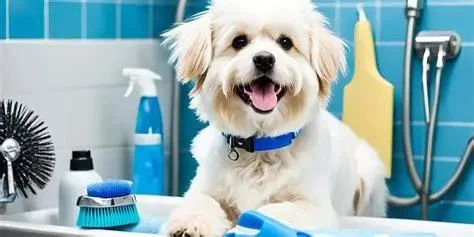
You don’t need a salon setup, but investing in the right tools makes a world of difference. Basic grooming essentials include:
- A slicker brush for detangling
- Nail clippers or grinders
- Pet-safe shampoo
- A grooming comb for sensitive areas
- Microfiber towels or grooming gloves
For pets with specific coat types, a de-shedding tool or undercoat rake can prevent mats and reduce shedding dramatically.
4. Bathing Best Practices
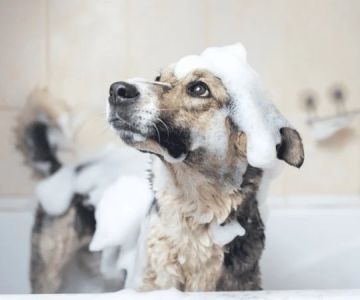
Bathing too often can strip your pet’s skin of natural oils, while too infrequently can lead to odors and skin issues. Always use lukewarm water and pet-formulated shampoos—human products can irritate their skin.
A popular TikTok clip showed a dog owner using dish soap to wash their pup, only to cause major skin irritation. It went viral for the wrong reasons—proof that not all DIY tips are safe.
Brothers Pets offers a wide range of hypoallergenic and breed-specific shampoos to take the guesswork out of bath time.
5. Brushing and Coat Maintenance
Brushing isn’t just for looks—it helps distribute oils, prevent mats, and even provides a bonding moment. Short-haired pets may only need brushing once or twice a week, but long-haired breeds require more dedication.
One customer told us their Husky’s shedding improved dramatically once they switched to a double-row rake brush. Brushing before and after walks can also reduce dirt and allergens from collecting in the coat.
6. Nail Care: The Often-Overlooked Detail
Overgrown nails can affect your pet’s posture and joint health. If you hear clicking on the floor, it's time for a trim. Some pets may need clipping every 3–4 weeks.
For nervous animals, nail grinding is often less stressful than clipping. Start slow, offer treats, and consider using calming sprays to make the experience more positive.
Nail maintenance tools and stress-relief products are available through Brothers Pets, making DIY trims easier than ever.
7. Dental Hygiene for Pets
Dental care is often neglected in grooming routines, yet it's vital. Tartar buildup can lead to painful gum disease or infections. Vets recommend brushing your pet’s teeth several times a week with pet-safe toothpaste.
Chew toys, dental treats, and water additives can also support oral health between brushings. One study showed that daily dental chews reduced plaque by over 60% in small dogs.
Browse the dental care section at Brothers Pets to find vet-approved options that work for your pet’s size and temperament.
8. When to Visit a Professional Groomer
Sometimes, a professional touch is necessary—especially for pets with thick coats, skin conditions, or if your pet just isn’t cooperating. Groomers are trained to spot issues like ear infections, ticks, or unusual skin growths early.
One user reported that their groomer caught a small skin tumor on their Schnauzer, which was later removed before it became serious. That’s the kind of expert insight at-home grooming might miss.
Use Brothers Pets to locate certified grooming professionals in your area who specialize in your pet's breed.
9. Common Mistakes and How to Avoid Them
Even well-meaning owners make grooming errors. These include over-brushing, using the wrong shampoo, trimming nails too short (causing bleeding), or skipping dental care entirely.
Don’t rush the process. Break grooming into short, positive sessions with plenty of praise. Track your pet’s behavior—stress signals like trembling or hiding indicate a need to slow down.
For guidance on products and routines tailored to your pet, Brothers Pets offers expert advice and tools trusted by professionals and pet lovers alike.



 Ridgefield Equine Clinic4.0 (108 reviews)
 All Creatures Veterinary Service4.0 (75 reviews)
 Equine Therapies5.0 (8 reviews)
 MU Veterinary hospital3.0 (10 reviews)
 Coastal Cat Clinic4.0 (194 reviews)
 Cypress Dog & Cat Hospital4.0 (136 reviews)
 Parasite Prevention: What Vets Want You to Know for Your Pet's Health
 Puppy Socialization: How to Raise a Confident and Friendly Dog with Proven Tips
 How to Handle Pet Loss: Grieving Tips for Pet Owners
 How to Improve Your Pet’s Dental Health: Expert Tips and Daily Care
 Benefits of Interactive Feeders for Mental Stimulation: Enhance Your Pet’s Cognitive Health
 Safe Flea Treatments for Puppies and Kittens – Effective Options for Young Pets