
Benefits of Interactive Feeders for Mental Stimulation
- 1. What Are Interactive Feeders?
- 2. How Interactive Feeders Promote Mental Stimulation
- 3. The Positive Effects of Mental Stimulation on Pets
- 4. Types of Interactive Feeders
- 5. Choosing the Right Interactive Feeder for Your Pet
Interactive feeders are innovative pet care tools designed to encourage pets to engage in problem-solving activities during feeding time. These feeders require pets to work for their food, whether through puzzles, mazes, or other stimulating mechanisms. This not only makes mealtime more enjoyable for pets but also helps to provide essential mental stimulation.
1. What Are Interactive Feeders?
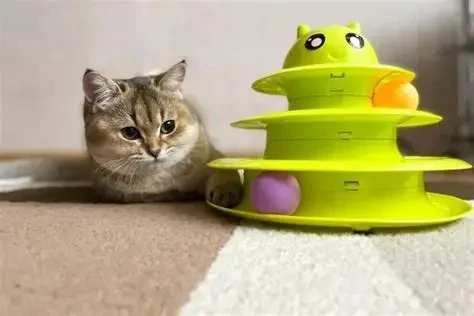
Interactive feeders are devices that require pets, particularly cats and dogs, to perform actions such as pushing, pawing, or nudging in order to access their food. These feeders are designed to mimic the way animals would naturally forage or hunt for food in the wild, keeping them engaged and mentally challenged. They are typically designed with compartments, puzzle elements, or treat dispensers that encourage pets to think and use their natural instincts.
2. How Interactive Feeders Promote Mental Stimulation
Mental stimulation is essential for the overall well-being of pets. Interactive feeders provide cognitive challenges that keep your pet’s mind active. By solving puzzles or figuring out how to release food, pets engage in problem-solving tasks that promote mental health, prevent boredom, and reduce destructive behavior. These feeders can also help with behavioral issues related to anxiety or excess energy, as they channel focus and activity into a productive task.
Moreover, interactive feeders can help control eating speed, as pets are forced to slow down and work for their food, which reduces the risk of obesity and promotes better digestion.
3. The Positive Effects of Mental Stimulation on Pets
Providing mental stimulation through interactive feeders has several benefits for your pet’s overall health and behavior:
- Reduced Boredom: Pets, especially indoor pets, can easily get bored. Interactive feeders provide a solution by engaging them in activities that mimic their natural behaviors.
- Improved Problem-Solving Skills: Working for their food helps pets enhance their cognitive abilities, improving problem-solving skills that they can apply to other aspects of their lives.
- Behavioral Improvement: Interactive feeders help reduce undesirable behaviors such as excessive barking or chewing by keeping pets occupied and focused.
- Better Eating Habits: By slowing down the eating process, pets are less likely to overeat, reducing the risks of obesity and related health problems.
4. Types of Interactive Feeders
There are various types of interactive feeders available, each offering different challenges to suit the needs of different pets. Some common types include:
- Slow-Feeding Bowls: These bowls feature ridges or raised sections that force pets to eat more slowly, promoting better digestion and reducing the risk of bloat.
- Puzzle Feeders: These feeders require pets to solve a puzzle or manipulate objects to access their food. They are available in various difficulty levels to match the pet’s cognitive abilities.
- Treat-Dispensing Toys: These toys release food when the pet rolls, nudges, or chews on them. They are great for both physical and mental stimulation.
- Activity Mats: These mats encourage pets to forage for food by hiding it in different sections. They provide an engaging way for pets to use their noses and paws to find their meals.
5. Choosing the Right Interactive Feeder for Your Pet
When selecting an interactive feeder for your pet, consider the following factors to ensure the right fit:
- Difficulty Level: Choose a feeder that matches your pet’s intelligence and learning ability. Start with simpler feeders and gradually increase the difficulty as your pet learns.
- Size and Durability: Make sure the feeder is appropriate for your pet’s size and strength. If your pet is a chewer, choose a more durable option.
- Food Preferences: Consider the type of food you feed your pet. Some interactive feeders work better with dry kibble, while others are suited for wet food or treats.
- Cleaning and Maintenance: Choose a feeder that is easy to clean to maintain hygiene and prevent the buildup of bacteria.
At Brothers Pets, we offer a variety of interactive feeders that can help promote your pet's mental stimulation while making mealtime more fun. Explore our range to find the perfect fit for your furry friend!






 Academy Animal Hospital4.0 (453 reviews)
 PetVet Vaccination Clinic5.0 (2 reviews)
 Great Lakes Veterinary Behavior Consultants3.0 (7 reviews)
 Animal Medical Center4.0 (353 reviews)
 Cloverleaf Animal Hospital4.0 (194 reviews)
 Brookview Animal Health Center4.0 (260 reviews)
 How to Choose the Right Pet Boarding Facility - A Complete Owner’s Guide
 How to Safely Clean Your Pet’s Ears and Prevent Infections: A Step-by-Step Guide
 How to Recognize and Treat Common Pet Injuries - Expert Guide
 Expert Advice on Emergency Pet Care Every Owner Should Know
 Ways to Keep Your Dog Entertained When Home Alone
 How to Provide Safe and Effective Flea Treatment for Your Pet" — Optimized for the target audience and search engines.