
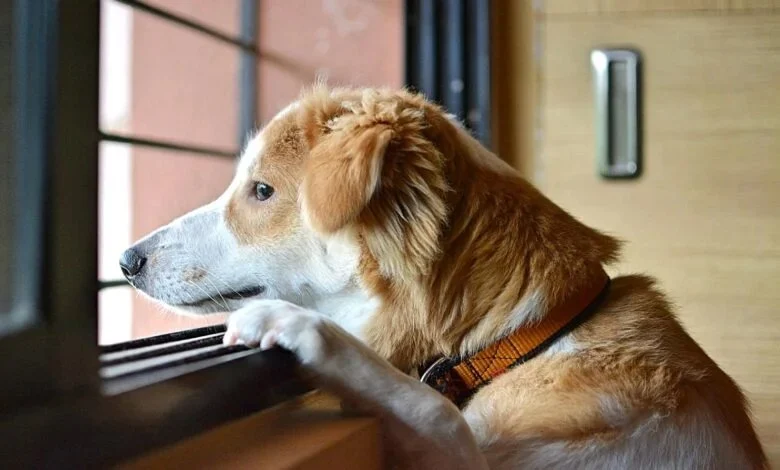
How to Help Your Pet Overcome Separation Anxiety
- 1- Understanding Separation Anxiety in Pets
- 2- Common Symptoms of Separation Anxiety
- 3- Tips for Managing Your Pet's Separation Anxiety
- 4- When to Seek Professional Help for Your Pet
1- Understanding Separation Anxiety in Pets
Separation anxiety is a common condition in pets, especially dogs, that occurs when they are left alone. It can result in destructive behaviors such as excessive barking, chewing, or even self-harming. Understanding this condition and how it affects your pet’s behavior is the first step in managing it effectively. Pets with separation anxiety often feel stressed, insecure, and fearful when separated from their owners, leading to emotional distress that can impact their overall well-being.
2- Common Symptoms of Separation Anxiety
Pets suffering from separation anxiety may exhibit a range of symptoms when they are left alone or separated from their owners. Some of the most common signs include:
- Excessive barking or whining: Continuous vocalization when left alone.
- Destructive behavior: Chewing furniture, shoes, or even doors in an attempt to escape or alleviate stress.
- Inappropriate urination or defecation: Pets may urinate or defecate indoors, even if they are potty trained.
- Pacing or drooling: Some pets pace in circles or drool excessively when left alone.
- Escaping behavior: Attempting to escape from a crate or confined space, often leading to injury.
3- Tips for Managing Your Pet's Separation Anxiety
While separation anxiety can be challenging for both pets and owners, there are several strategies to help alleviate the symptoms:
- Gradual desensitization: Slowly get your pet accustomed to being alone by leaving them for short periods of time and gradually increasing the duration.
- Provide plenty of mental and physical stimulation: Ensure your pet gets enough exercise and mental stimulation through toys, puzzles, and regular walks.
- Create a safe and comforting environment: Use calming music, pheromone diffusers, or a comforting bed to help your pet feel more secure when you are gone.
- Use interactive toys: Give your pet something to focus on while you're away, like treat-dispensing toys, which can distract them and reduce anxiety.
- Establish a routine: Pets thrive on routine. Stick to consistent feeding and walking schedules to provide predictability and reduce stress.
4- When to Seek Professional Help for Your Pet
If your pet’s separation anxiety persists or worsens despite your efforts, it may be time to consult a professional. A veterinarian or animal behaviorist can assess your pet’s behavior and recommend treatment options, such as behavioral therapy, medications, or specialized training. In severe cases, they may also suggest a combination of approaches to help your pet feel more comfortable when left alone.
Managing your pet's separation anxiety can take time and patience, but with the right tools and support, you can help your pet feel more secure. For more expert advice on caring for your pet, visit Brothers Pets for the best products and services to support your pet’s emotional well-being.






 SAVA Animal Hospital4.0 (134 reviews)
 Petco4.0 (886 reviews)
 Four Loving Paws Veterinary Services Inc4.0 (90 reviews)
 Vetco Vaccination Clinic3.0 (32 reviews)
 West Brooke DVM5.0 (2 reviews)
 Pickens Animal Rescue Veterinary Hospital4.0 (95 reviews)
 How to Prevent and Treat Pet Allergies to Food and Environment
 Managing Your Pet's Stress and Anxiety: Tips for Owners in 2024
 How to Manage Your Pet’s Stress During Vet Visits
 What to Know Before Choosing a Grain-Free Pet Food
 How to Recognize and Treat Common Pet Diseases: A Complete Guide
 How to Manage Your Pet's Stress and Anxiety Levels: Effective Tips and Strategies