

- 1. Understanding Pet Allergies: Food and Environmental Factors
- 2. Recognizing the Symptoms of Pet Allergies
- 3. How to Prevent Pet Allergies to Food and the Environment
- 4. Treatment Options for Pet Allergies
- 5. Tips for Ongoing Care and Allergy Management
- 6. Conclusion: Keeping Your Pet Healthy and Allergy-Free
1. Understanding Pet Allergies: Food and Environmental Factors
Pet allergies are becoming increasingly common and can be triggered by various environmental factors, such as pollen, dust mites, or mold, as well as certain foods. Both cats and dogs can experience allergies, which can cause a range of uncomfortable symptoms. Understanding the causes of these allergies and how to prevent them is essential for ensuring your pet's well-being.
In this article, we will explore common food and environmental allergies in pets, how to prevent them, and how to treat your pet effectively when allergies occur. Whether you're dealing with an allergy-prone pet or just want to prevent potential issues, the following tips will help you navigate pet allergies with confidence.
2. Recognizing the Symptoms of Pet Allergies
It’s important to recognize the signs of allergies in your pet to ensure they receive the proper care. Symptoms of food and environmental allergies in pets can vary but often include the following:
Food Allergies
Food allergies in pets are typically caused by proteins, such as beef, chicken, or fish, and can result in gastrointestinal issues or skin problems. Common symptoms include:
- Vomiting or diarrhea
- Itchy or inflamed skin
- Ear infections or ear scratching
- Excessive licking or chewing on paws
Environmental Allergies
Environmental allergens, like pollen or dust mites, can cause symptoms such as:
- Itchy eyes or excessive tearing
- Runny nose or sneezing
- Coughing or wheezing
- Skin rashes or hives
If you notice any of these symptoms in your pet, it’s crucial to consult with a veterinarian to determine the cause of the allergy and explore treatment options.
3. How to Prevent Pet Allergies to Food and the Environment
Preventing allergies before they start is the best strategy. Here are some proactive measures to help reduce the likelihood of allergies affecting your pet:
Food Allergies Prevention
To prevent food allergies, start by feeding your pet a balanced and high-quality diet that’s suitable for their age, size, and health condition. Be mindful of any food ingredients that are known allergens. For example:
- Choose pet foods that avoid common allergens like wheat, soy, and dairy.
- Consider hypoallergenic pet food formulas designed for allergy-prone pets.
- Introduce new foods gradually to monitor your pet's reactions.
Environmental Allergies Prevention
For environmental allergies, here are a few tips to minimize exposure to allergens:
- Keep your pet indoors during high pollen seasons, especially in the morning.
- Clean your pet’s bedding and toys regularly to remove dust mites.
- Use air purifiers and maintain good ventilation to reduce indoor allergens.
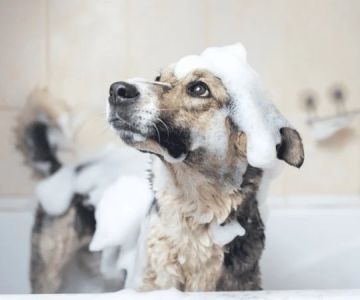
- Bath your pet frequently to wash off allergens from their fur.
4. Treatment Options for Pet Allergies
If your pet is already suffering from allergies, there are various treatment options available. These treatments can help alleviate discomfort and manage symptoms effectively:
Food Allergies Treatment
If your pet is diagnosed with a food allergy, your vet may recommend an elimination diet. This involves removing certain ingredients from their diet and slowly reintroducing them to identify the trigger. Additional treatment options include:
- Medications to control symptoms, such as antihistamines or steroids.
- Supplements to support skin health, like omega-3 fatty acids.
- Frequent baths with soothing shampoos to reduce itching.
Environmental Allergies Treatment
Treating environmental allergies often involves reducing exposure to allergens and using medications to manage symptoms. Options include:
- Antihistamines or corticosteroids prescribed by your vet to reduce inflammation.
- Allergen immunotherapy, also known as allergy shots, to desensitize your pet to specific triggers.
- Topical treatments for itching and rashes.
5. Tips for Ongoing Care and Allergy Management
Once your pet’s allergies are diagnosed and treated, ongoing care is essential for managing their condition. Here are a few tips:
- Maintain a regular cleaning schedule for your home and your pet’s living area.
- Monitor your pet’s reactions to new foods or environmental changes.
- Follow up with your vet regularly to adjust treatment plans if necessary.
Staying proactive and consistent with care can help keep your pet comfortable and reduce the frequency of allergic flare-ups.
6. Conclusion: Keeping Your Pet Healthy and Allergy-Free
Preventing and treating pet allergies to food and the environment requires attention, patience, and collaboration with your veterinarian. By understanding the causes, recognizing the symptoms, and following the appropriate treatment plans, you can help your pet lead a happy, healthy life free from allergies.
For more information on allergy management and to find the best products for your pet’s needs, visit Brothers Pets for recommendations on hypoallergenic foods, supplements, and other helpful products.



 Quinn Veterinary Clinic and Behavior Center4.0 (16 reviews)
 Bohrer Vet Services4.0 (1 reviews)
 Heart & Soul Animal Hospital5.0 (122 reviews)
 Peaceful Pet Passage4.0 (75 reviews)
 Central Appalachian Veterinary Clinic4.0 (73 reviews)
 Columbus Central Veterinary Hospital4.0 (415 reviews)
 How to Prevent Tick-Borne Diseases in Cats: A Comprehensive Guide
 Avoid These Common Pet Safety Mistakes and Keep Your Pet Protected
 Expert Advice on Pet Behavior That Every Owner Should Know
 Top 14 Tips for Pet Health | Expert Advice for Happier, Healthier Pets
 Understanding Canine Eye Disorders and Prevention: A Guide for Dog Owners
 Understanding Pet Dental Health: Why Oral Care Matters