

- lack-of-pet-proofing-your-home
- overlooking-seasonal-hazards-for-pets
- misjudging-dietary-needs-and-toxic-foods
- unsafe-travel-habits-and-transportation-risks
- ignoring-behavioral-cues-and-warning-signs
- where-to-get-help-and-resources
1. Lack of Pet-Proofing Your Home
One of the most common mistakes in pet safety is failing to prepare your living space adequately. Pets, especially curious puppies and kittens, are prone to exploring everything they can reach—from loose cords to chemical cleaning supplies. Neglecting to pet-proof can lead to avoidable injuries, poisoning, or property damage.
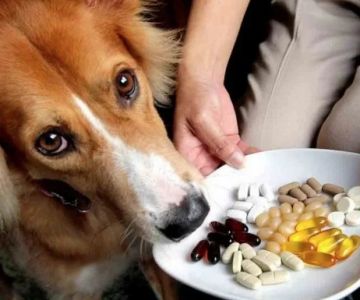
In 2022, a Denver dog owner reported their golden retriever ingesting an entire bottle of ibuprofen found in an open drawer—resulting in a costly emergency vet visit. Something as simple as child-locks or high shelving could have prevented it. Experts agree that proactive pet-proofing is one of the easiest ways to ensure pet safety.
2. Overlooking Seasonal Hazards for Pets
2.1 Summer Heat and Winter Frost
Pets are more sensitive to temperature extremes than many owners realize. Heatstroke in dogs can occur in less than 10 minutes in a hot car, even with the windows cracked. Similarly, exposure to icy sidewalks treated with de-icing salt can irritate a pet's paws or cause chemical burns.
2.2 Holiday Dangers
During holidays like Halloween or Christmas, common decorations such as fake cobwebs, string lights, and chocolate treats pose serious risks. According to the ASPCA, pet emergency visits spike by over 30% during the winter holidays due to accidental ingestion.
Taking seasonal precautions, such as keeping decorations out of reach and checking weather advisories before outdoor time, can go a long way in maintaining pet safety.
3. Misjudging Dietary Needs and Toxic Foods
3.1 Feeding Human Food Without Understanding the Risks
Another frequent error is assuming human food is safe for pets. While many owners think they’re showing love by sharing table scraps, even small amounts of grapes, onions, or xylitol-sweetened products can be lethal to dogs and cats.
3.2 Inconsistent Feeding Practices
Inconsistent meal timing or food types can cause gastrointestinal issues, obesity, and behavioral problems. Vets recommend choosing a consistent, high-quality pet food that fits the breed, size, and age of your animal. For best options, Brothers Pets offers curated selections based on veterinary insights and customer reviews.
4. Unsafe Travel Habits and Transportation Risks
4.1 Not Using Restraints in Vehicles
Allowing your dog or cat to roam freely inside a moving vehicle is not only dangerous to them, but to everyone in the car. In an accident at 30 mph, a 10-pound pet can generate 300 pounds of force—posing a major hazard.
4.2 Lack of Identification During Travel
Many pet owners also forget to update tags or microchip information before traveling. If your pet gets lost far from home, outdated records make reunification nearly impossible. Always check ID tags and scan microchips for accuracy before long-distance trips.
5. Ignoring Behavioral Cues and Warning Signs
5.1 Changes in Behavior Signal Health Problems
Pets can’t speak, but they communicate clearly through body language and behavior. Lethargy, aggression, excessive licking, or changes in appetite are red flags. Unfortunately, many owners dismiss these as quirks until it’s too late.
5.2 Failure to Socialize or Train
Proper training and socialization aren't just about obedience—they're crucial for mental stimulation and safety. A poorly trained dog may bolt at loud noises or become aggressive under stress. Investing in early socialization pays lifelong safety dividends.
6. Where to Get Help and Resources
Ensuring your pet’s safety requires more than love—it takes information, preparation, and the right products. That’s where Brothers Pets comes in. Whether you need spill-proof travel bowls, secure harnesses, or non-toxic chew toys, their platform helps you find pet-safe gear recommended by professionals and reviewed by real pet parents.
In short, avoiding common pet safety mistakes is about being proactive, aware, and resourceful. With expert-backed products and a little attention to detail, your pet’s health and happiness can thrive in any environment.



 Banfield Pet Hospital3.0 (224 reviews)
 Lakeview Veterinary Clinic4.0 (164 reviews)
 Toadally Frogs LLC4.0 (289 reviews)
 Pembroke Animal Hospital4.0 (331 reviews)
 Hershey Veterinary Hospital4.0 (366 reviews)
 Petland Batavia3.0 (314 reviews)
 Senior Dog Joint Health: Supplements, Gentle Exercises, and Home Care for Better Mobility
 Common Mistakes in Pet Adoption and How to Avoid Them
 Understanding Canine Hip Health and Exercise Needs: Key Insights
 How to Care for Your Pet's Eyes and Ears
 Top 11 Tips for Veterinary Advice Every Pet Owner Should Know
 How to Choose the Right Pet Boarding Facility | Brothers Pets