

- 1. What Are Omega-3 Fatty Acids?
- 2. Health Benefits of Omega-3 for Pets
- 3. Best Sources of Omega-3 for Pets
- 4. Omega-3 Supplements for Pets
- 5. How Much Omega-3 Should Your Pet Have?
1. What Are Omega-3 Fatty Acids?
Omega-3 fatty acids are essential fats that play a vital role in maintaining the health and function of the body. Unlike other fats, Omega-3s are polyunsaturated fats, which are necessary for various bodily processes, such as reducing inflammation, supporting heart health, and improving skin and coat condition. While Omega-3s are commonly associated with human nutrition, they also offer numerous health benefits for pets, making them an important addition to your pet's diet.
These beneficial fats are found in a variety of foods, particularly fish, such as salmon, mackerel, and sardines. Omega-3 fatty acids come in three primary forms: ALA (alpha-linolenic acid), EPA (eicosapentaenoic acid), and DHA (docosahexaenoic acid). For pets, the most beneficial forms are EPA and DHA, which are primarily found in fish oils and certain algae-based supplements.
2. Health Benefits of Omega-3 for Pets
Incorporating Omega-3 fatty acids into your pet's diet can provide several key health benefits, enhancing your pet's overall well-being and preventing various health issues. Here are some of the top benefits of Omega-3 for pets:
Supports Joint Health
Omega-3s are known to reduce inflammation in the body, which can be particularly helpful for pets suffering from arthritis or other joint-related issues. Regular consumption of Omega-3 fatty acids can help reduce swelling and pain, improving mobility and quality of life for older pets or those with joint problems.
Promotes Healthy Skin and Coat
A shiny, soft coat is often a sign of a healthy pet, and Omega-3 fatty acids are crucial for maintaining optimal skin and coat health. Omega-3s help prevent dry, flaky skin and can reduce shedding, which is especially beneficial for pets with sensitive skin or allergies.
Improves Cardiovascular Health
Just like in humans, Omega-3 fatty acids help promote heart health in pets by reducing inflammation and supporting normal blood flow. They can help prevent heart disease by improving circulation and lowering the risk of blood clots and other heart-related issues, particularly in older pets or those with pre-existing heart conditions.
Supports Brain Function and Cognitive Health
Omega-3s, particularly DHA, are crucial for brain development and function. For young puppies and kittens, adequate Omega-3 intake is essential for cognitive development. For older pets, Omega-3s can help maintain brain health, preventing cognitive decline and supporting memory and learning abilities.
Boosts Immune System Function
Omega-3 fatty acids also help support your pet's immune system. They aid in regulating the immune response and help reduce the risk of infections and illnesses. Omega-3s help keep the body’s defenses strong, promoting faster recovery from injury or illness.
3. Best Sources of Omega-3 for Pets
Omega-3 fatty acids are naturally found in several food sources, with fish and certain plant-based sources being the most popular options for pets. Here are the top sources of Omega-3 for your pet:
Fish Oil
Fish oil, particularly from fatty fish such as salmon, sardines, and mackerel, is one of the best sources of Omega-3s for pets. It is rich in EPA and DHA, which are easily absorbed by the body and offer maximum benefits for your pet’s health.
Flaxseed Oil
Flaxseed oil is another plant-based source of Omega-3s, containing ALA (alpha-linolenic acid). While ALA is not as directly beneficial as EPA and DHA, the body can convert some ALA into these forms. Flaxseed oil is an excellent vegetarian option for pets that may have sensitivities to fish-based products.
Algal Oil
Algal oil, derived from algae, is a plant-based source that provides both DHA and EPA. It is particularly beneficial for pets with allergies or sensitivities to fish. Algal oil is also a great option for vegetarian or vegan pet owners who want to provide Omega-3s without using animal-derived products.
Chia Seeds
Chia seeds are a natural source of ALA Omega-3s. These small seeds can be added to your pet’s food in moderation, offering a plant-based way to include Omega-3s in your pet’s diet.
4. Omega-3 Supplements for Pets
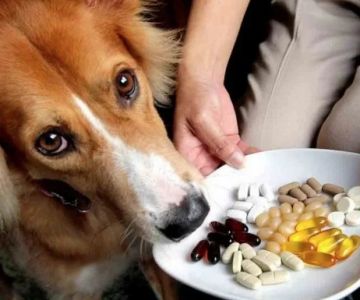
If your pet’s diet does not naturally contain sufficient Omega-3s, supplements are a great way to ensure they are getting the necessary amount. There are various Omega-3 supplements available for pets, including fish oil capsules, liquid oils, and chewable treats. Here’s what to consider when choosing a supplement:
Choose High-Quality Fish Oil
When selecting a fish oil supplement for your pet, opt for high-quality, purified oils that are free from harmful contaminants like heavy metals. Brands that specialize in pet health will often provide Omega-3 oils formulated specifically for pets’ digestive and dietary needs.
Consult Your Veterinarian
Before starting your pet on an Omega-3 supplement, it’s essential to consult your veterinarian to determine the right dosage and ensure it will not interact with any other medications your pet is taking. Your vet can provide guidance on the most appropriate form and amount of Omega-3s for your pet’s specific needs.
5. How Much Omega-3 Should Your Pet Have?
The appropriate dosage of Omega-3s depends on your pet’s size, age, and health status. While each product will have its specific dosage guidelines, a general recommendation is:
For Dogs
Small dogs (up to 10 pounds): 500 mg of combined EPA and DHA per day.Medium dogs (10-50 pounds): 1,000 mg of combined EPA and DHA per day.Large dogs (50+ pounds): 2,000 mg of combined EPA and DHA per day.
For Cats
Cats typically require lower doses, around 250 mg of combined EPA and DHA per day. Always check with your vet to adjust based on your cat’s health condition.
As with any dietary change or supplement, start with a lower dose and gradually increase while monitoring your pet for any adverse reactions.
By incorporating Omega-3 fatty acids into your pet’s diet, you can help improve their overall health and well-being, boosting their immune system, enhancing brain function, and maintaining a healthy coat. For high-quality Omega-3 products for your pet, visit [Brothers Pets] for the best options.





 Affordable Veterinary Services4.0 (694 reviews)
 Pet Med Plus4.0 (124 reviews)
 Good Neighbor Vet4.0 (48 reviews)
 Plattsmouth Animal Hospital4.0 (328 reviews)
 Your Pets Wellness (Bucktown), A Thrive Pet Healthcare Partner4.0 (185 reviews)
 The Cat Practice4.0 (124 reviews)
 Beginner's Guide to Pet Training: Effective Tips for Happy Pets
 Why Spaying and Neutering Improves Pet Health and Behavior
 Top 14 Tips for Pet Health Every Owner Should Know
 Top 12 Tips for Pet Diseases
 The Importance of Dental Chews for Cats and Dogs: Keeping Pets’ Teeth Healthy
 Common Mistakes in Pet Health and How to Avoid Them - Expert Tips for Healthy Pets