
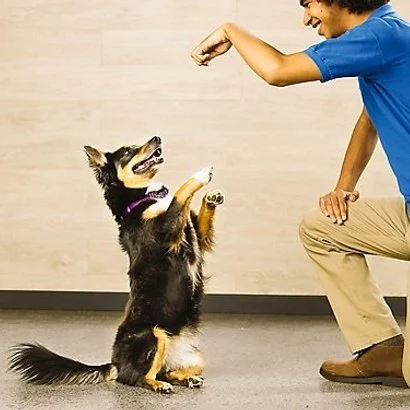
- 1. Introduction to Pet Training
- 2. Why Pet Training Is Important
- 3. Basic Training Techniques for Dogs
- 4. Training Techniques for Cats
- 5. Common Training Mistakes to Avoid
- 6. How to Use Positive Reinforcement
- 7. Conclusion
1. Introduction to Pet Training
Training pets, especially dogs and cats, is a crucial part of responsible pet ownership. Whether you’re a first-time pet parent or looking to improve your training skills, this guide is designed to help you build a strong foundation for training your furry friend. From basic commands to addressing behavioral issues, training your pet is a rewarding experience for both of you. Let's explore how to get started!
2. Why Pet Training Is Important
Training is essential for ensuring that pets behave well, are safe, and are easy to manage. It strengthens the bond between pets and their owners while helping pets understand what is expected of them. Proper training can also prevent common issues like chewing, barking, or litter box problems. With the right techniques, training your pet can be a fun and positive experience.
3. Basic Training Techniques for Dogs
Dogs are often eager to please and respond well to training. Here are some basic training techniques that can help you teach your dog essential commands:
3.1 Sit and Stay
These two commands are the foundation of any dog's training. Start by holding a treat close to your dog’s nose, then move it upwards and backwards to encourage them to sit. Once they’re in the sitting position, say "sit" and give them the treat. Gradually add the "stay" command once they’re comfortable with sitting, and reward them for holding the position.
3.2 Leash Training
Leash training is an essential skill that every dog should learn. Start by letting your dog get used to wearing a collar and leash in the house. Then, move to short walks around the yard or in a quiet area. Reward them for walking calmly by your side and avoid pulling. With patience, your dog will learn to enjoy walks without tugging.
3.3 Positive Reinforcement
Using positive reinforcement, such as treats and praise, is an effective way to encourage good behavior. Make sure to reward your dog immediately after they complete the desired behavior. This helps them understand the connection between their actions and the reward.
4. Training Techniques for Cats
Training a cat may seem challenging, but with the right approach, it’s possible. Here are some techniques that work well for feline friends:
4.1 Litter Box Training
Litter box training is typically one of the first things cat owners tackle. Make sure the litter box is in a quiet and accessible location. Keep it clean and place your cat in the box after meals or naps. If your cat has accidents outside the box, clean the area thoroughly and place the box closer to where they went, gradually moving it back to its intended spot.
4.2 Clicker Training
Clicker training is a method that uses a sound to reinforce positive behaviors. It’s especially useful for teaching cats tricks or commands. To start, pair the clicker sound with a treat, so your cat associates the click with something positive. Then, use the clicker when they perform a desired behavior, such as sitting or coming when called.
4.3 Teaching Your Cat to Come
Start by calling your cat’s name in a cheerful tone and rewarding them when they approach. Gradually, they will begin to respond to the sound of their name as they associate it with positive experiences.
5. Common Training Mistakes to Avoid
Training pets requires patience and consistency. Avoid these common mistakes to ensure effective results:
5.1 Inconsistency
Inconsistent training can confuse your pet. Make sure everyone in the household uses the same commands and rewards to avoid mixed signals. Consistency is key to helping your pet understand what’s expected.
5.2 Punishment
Physical punishment or yelling can negatively impact the bond between you and your pet. Instead, focus on positive reinforcement to encourage good behavior. Punishment may lead to fear or anxiety in pets, making training less effective.
5.3 Unrealistic Expectations
Be patient and realistic with your expectations. Training takes time, and different pets learn at different speeds. Celebrate small victories and remain persistent, knowing that progress will come.
6. How to Use Positive Reinforcement
Positive reinforcement is the most effective training method for pets. Here’s how you can make the most of it:
6.1 Use High-Value Treats
Some pets are more motivated by certain types of treats. Experiment with different rewards to see which your pet prefers. Use high-value treats during training sessions to keep your pet engaged and focused.
6.2 Timing Is Everything
For positive reinforcement to work, the reward must be given immediately after the desired behavior. This helps your pet make the connection between the action and the reward.
6.3 Praise and Attention
Don’t underestimate the power of verbal praise and attention. Some pets are motivated by affection and praise just as much as by treats. Make sure to praise your pet enthusiastically for completing a command.
7. Conclusion
Training your pet is an ongoing process, but with consistency, patience, and positive reinforcement, you’ll build a strong relationship with your furry companion. Whether you’re teaching your dog to sit or training your cat to use the litter box, the key to success is understanding your pet’s needs and making the training experience enjoyable for both of you. Remember, every pet is unique, so tailor your approach to fit their personality and behavior. Happy training!
For more tips and expert advice on pet care, visit Brothers Pets to discover the best products and services for your pet’s training and well-being.






 Green River Veterinary Hospital4.0 (237 reviews)
 Petfolk Veterinary & Urgent Care - Vintage Park4.0 (133 reviews)
 Foree JB DVM4.0 (50 reviews)
 North Forsyth Animal Hospital4.0 (62 reviews)
 Salt & Sea Veterinary Hospital4.0 (20 reviews)
 Missing Link Aquatics & Exotics4.0 (256 reviews)
 How to Prevent and Treat Fungal Infections in Pets
 How to Prevent and Treat Worms in Dogs and Cats: A Complete Guide
 How to Help Your Pet Adjust to Life with a New Baby
 The Ultimate Guide to Seasonal Pet Care for U.S. Pet Owners
 Top 10 Tips for Preventing Pet Illness Every Owner Should Know
 How to Spot and Treat Vomiting in Dogs