
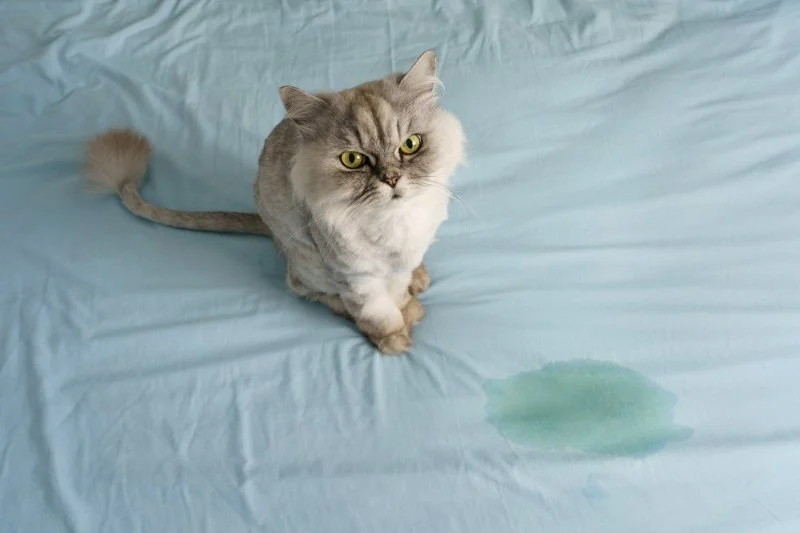
Understanding Pet Urinary Issues
Urinary issues are common among pets, particularly as they age. These problems can range from simple discomfort to more serious health concerns, such as urinary tract infections (UTIs), bladder stones, or even kidney disease. Recognizing these issues early is key to providing your pet with the best possible care and treatment. Understanding the causes, symptoms, and treatments for urinary issues can help ensure your pet's comfort and well-being.
Common Causes of Urinary Problems in Pets
Urinary issues in pets can arise for several reasons, including lifestyle, genetics, and health conditions. Some of the most common causes include:
- Urinary Tract Infections (UTIs) - Infections in the urinary tract are one of the most common causes of urinary problems in pets. These infections can cause discomfort and frequent urination, among other symptoms.
- Bladder Stones - Hard deposits that form in the bladder can cause blockages, pain, and difficulty urinating.
- Kidney Disease - Chronic kidney disease can lead to urinary issues, including increased thirst and urination.
- Hormonal Imbalances - Hormonal changes, particularly in older pets, can affect bladder control, leading to incontinence.
- Dehydration - Insufficient water intake can lead to concentrated urine, making it more prone to infections and urinary problems.
Signs of Urinary Tract Issues in Pets
Recognizing the symptoms of urinary issues in your pet is essential for early diagnosis and treatment. Some common signs include:
- Frequent Urination - If your pet is urinating more often than usual, it could indicate a urinary problem, such as a UTI or bladder stones.
- Difficulty Urinating - Straining or crying while attempting to urinate may signal a blockage or infection.
- Blood in Urine - Blood in your pet's urine is a serious sign that something is wrong and requires immediate veterinary attention.
- Accidents in the House - If a house-trained pet begins to urinate inappropriately, it could indicate urinary incontinence or other underlying issues.
- Excessive Licking of the Genital Area - Pets may lick their genital area excessively if they are experiencing discomfort due to urinary issues.
Treating Urinary Issues in Pets
If you notice signs of urinary problems in your pet, it's essential to consult a veterinarian for proper diagnosis and treatment. Depending on the cause, treatment may involve:
- Antibiotics - For UTIs, antibiotics are often prescribed to clear the infection and alleviate symptoms.
- Specialized Diets - Pets with bladder stones or certain types of urinary conditions may benefit from specialized diets that help dissolve stones or promote urinary health.
- Medications for Incontinence - If your pet is suffering from incontinence due to hormonal imbalances, medication may be prescribed to help control bladder function.
- Increased Hydration - Ensuring your pet stays hydrated can help prevent and manage urinary issues by diluting urine and promoting healthy kidney function.
- Surgery - In severe cases, such as with large bladder stones or blockages, surgery may be necessary to remove the obstruction and restore proper urinary function.
Prevention and Care for Urinary Health in Pets
Preventing urinary problems is often easier than treating them. Here are some tips for maintaining your pet’s urinary health:
- Encourage Water Intake - Make sure your pet always has access to fresh water to help prevent dehydration and urinary issues.
- Provide a Balanced Diet - Feeding your pet a well-balanced diet, tailored to their age and health needs, can help support urinary health.
- Maintain Regular Vet Checkups - Regular veterinary visits allow your vet to monitor your pet's urinary health and catch potential issues early.
- Keep Your Pet Active - Regular exercise can help stimulate healthy urination patterns and prevent urinary retention.
Brothers Pets Recommendations
For pet owners looking for the best products and services to manage urinary health in their pets, Brothers Pets offers a wide range of solutions. Whether you're looking for specialized pet foods, supplements, or healthcare products, Brothers Pets provides expert recommendations to support your pet’s urinary health. Visit their website to explore trusted brands and products that can help your pet live a happy, healthy life.





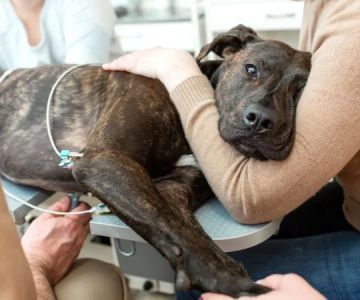
 VIP Petcare Vaccination Clinic0.0 (0 reviews)
 Animal Care Services4.0 (210 reviews)
 Danbury Animal Hospital4.0 (54 reviews)
 Hollywood Feed4.0 (154 reviews)
 Sploot Veterinary Care - Oak Park / Forest Park5.0 (80 reviews)
 Animal Medical Clinic4.0 (123 reviews)
 How to Choose the Right Pet Boarding Facility | Brothers Pets
 Best Probiotic Supplements for Dogs to Boost Digestive and Immune Health
 How to Care for Your Pet’s Mental Health – Expert Tips for Emotional Wellness
 How to Prevent and Treat Pet Allergies to Food and Environment
 Tips for Feeding Senior Dogs with Sensitive Stomachs and Improving Digestion
 How to Safely Handle Pet Emergencies: A First-Aid Guide