

Common Mistakes in Pet Health and How to Avoid Them
- 1-Why Pet Health Is So Important
- 2-Common Pet Health Mistakes and How to Prevent Them
- 3-How to Provide Proper Nutrition for Your Pet
- 4-The Role of Exercise in Pet Health
- 5-Regular Veterinary Care: A Must for Pet Health
- 6-Case Study: Real-Life Example of Pet Health Mistakes
1. Why Pet Health Is So Important
Taking care of your pet’s health is more than just providing food and shelter. Just like humans, pets require proper nutrition, exercise, and regular check-ups to maintain their health and well-being. A healthy pet leads to a happier life, fewer veterinary visits, and a longer lifespan. Proper care prevents potential health problems and ensures that your furry friend can enjoy life to the fullest.
2. Common Pet Health Mistakes and How to Prevent Them
Many pet owners unknowingly make health-related mistakes that can affect their pets' quality of life. Let’s take a closer look at some of the most common mistakes and how to avoid them:
1. Overfeeding or Underfeeding
One of the most common mistakes is feeding pets too much or too little. Overfeeding can lead to obesity, while underfeeding can cause malnutrition. Both can result in long-term health issues like joint problems, diabetes, or heart disease. Ensure that you’re feeding your pet the right amount based on their breed, size, age, and activity level. Consulting with your vet about portion sizes and nutritional requirements can help you avoid this mistake.
2. Ignoring Regular Exercise
Pets need regular exercise to stay fit and healthy. Lack of exercise can lead to obesity and behavioral issues. Whether it's walking, running, or playtime, make sure to incorporate physical activity into your pet’s routine. The type of exercise will depend on your pet’s breed and age, so be sure to tailor activities accordingly. For example, a high-energy dog breed will need more rigorous exercise than a sedentary breed.
3. Skipping Regular Veterinary Check-Ups
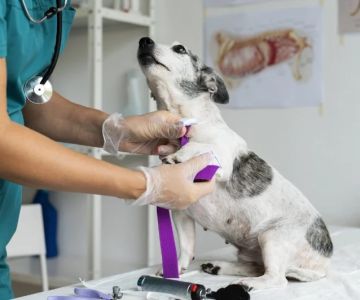
Many pet owners skip regular check-ups due to busy schedules or cost concerns. However, skipping vet visits can result in undiagnosed health conditions, which may become more serious and expensive to treat later on. Regular vet visits help monitor your pet's health and prevent minor issues from turning into major health problems. Make sure your pet has annual check-ups, vaccinations, and flea/tick prevention treatments.
3. How to Provide Proper Nutrition for Your Pet
Nutrition is a cornerstone of pet health. Poor nutrition can lead to a wide range of health issues, including obesity, digestive problems, and weakened immune systems. Here’s how to provide the best nutrition for your pet:
1. Choose High-Quality Pet Food
Not all pet food is created equal. Choose high-quality food that is appropriate for your pet's age, size, and breed. Look for pet food that contains real meat, vegetables, and other whole food ingredients. Avoid foods with a high level of fillers like corn or soy, which provide little nutritional value.
2. Provide Fresh Water at All Times
Always ensure your pet has access to clean, fresh water. Dehydration can lead to serious health problems such as kidney disease. Make sure to change your pet's water regularly and keep their bowl clean. In the summer months, pets are particularly prone to dehydration, so monitor their water intake more closely during this time.
3. Consider Special Dietary Needs
Some pets may have special dietary needs due to medical conditions or age. For example, older pets may require food that's easier to digest, while pets with allergies may need special hypoallergenic food. Consult your vet to determine if your pet requires any specific dietary adjustments or supplements.
4. The Role of Exercise in Pet Health
Exercise is crucial for maintaining a healthy weight and overall well-being. Pets who get regular exercise tend to live longer, healthier lives. Here’s how you can ensure your pet gets enough exercise:
1. Create a Daily Routine
Make exercise a part of your pet's daily routine. For dogs, this might include daily walks or runs. For cats, it could be interactive playtime with toys. Consistent activity not only keeps them fit but also strengthens the bond between you and your pet.
2. Tailor Activities to Your Pet's Needs
Not all pets require the same level of exercise. For example, older pets or certain breeds may not be able to handle intense activities. Be mindful of your pet's physical abilities and provide exercise that matches their energy levels. If you’re unsure of what’s best, consult your vet for personalized advice.
5. Regular Veterinary Care: A Must for Pet Health
Regular visits to the vet are one of the most important things you can do for your pet’s health. Here’s why:
1. Preventive Care
Veterinarians provide more than just treatment for illnesses. They offer preventive care, such as vaccinations, flea and tick treatments, and dental care. These services help prevent common health problems and keep your pet protected from disease.
2. Early Detection of Health Issues
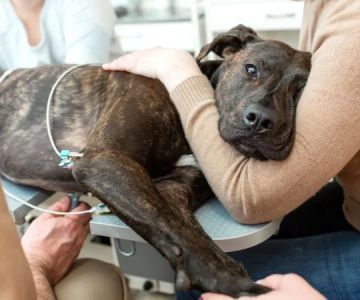
Regular check-ups allow your vet to detect health issues early before they become more severe. Catching conditions like arthritis, diabetes, or dental disease early can help manage them effectively and improve your pet's quality of life.
3. Advice on Behavioral and Nutritional Concerns
Veterinarians can also provide valuable advice on your pet's behavior, diet, and lifestyle. If you notice any changes in behavior, appetite, or weight, a vet visit may be the best way to address the issue and find a solution.
6. Case Study: Real-Life Example of Pet Health Mistakes
The Wilson family adopted a dog named Max, who had a history of being underfed and receiving limited exercise from his previous owner. Initially, they didn't know how to correct these issues and made common mistakes like overfeeding Max and neglecting regular exercise. This led to Max becoming overweight and suffering from joint pain.
After consulting with a vet, the Wilsons started feeding Max a balanced diet, introduced daily walks, and regularly monitored his weight. They also established a routine of vet visits, including joint health check-ups. Within a few months, Max's health improved significantly, and he was much more active and happy.
This real-life example highlights the importance of proper nutrition, exercise, and regular vet care. By making these changes, Max’s quality of life drastically improved, proving that the right approach to pet health can lead to a healthier, happier pet.




 Gilbertsville Veterinary Hospital4.0 (547 reviews)
 Hannah Creek Veterinary Hospital4.0 (385 reviews)
 Bill's Birds & Pets4.0 (227 reviews)
 Muscatine Veterinary Hospital4.0 (103 reviews)
 Pet Specialty Consulting0.0 (0 reviews)
 Labahn Veterinary Hospital4.0 (391 reviews)
 The Role of Fiber in Your Dog’s Diet and Digestive Health
 Tips for Teaching Puppies Basic Commands at Home: A Beginner's Guide
 The Importance of Regular Grooming for Your Pet
 Expert Advice on Pet Fitness for American Families
 Best Dog Breeds for Active Families With Kids
 How to Recognize and Treat the Symptoms of Flea Allergic Dermatitis