
- 1 - #what-is-flea-allergic-dermatitis
- 2 - #symptoms-of-flea-allergic-dermatitis
- 3 - #how-to-diagnose-flea-allergic-dermatitis
- 4 - #effective-treatments-for-flea-allergic-dermatitis
- 5 - #preventing-flea-allergic-dermatitis-in-pets
1 - What is Flea Allergic Dermatitis?
Flea allergic dermatitis (FAD) is a common skin condition in pets, particularly cats and dogs, caused by an allergic reaction to flea bites. When fleas bite, they inject saliva into the skin, and for pets with flea allergies, their immune system overreacts, leading to itching, inflammation, and severe skin irritation. This condition can be highly uncomfortable for your pet, and it may lead to secondary infections if left untreated.
Understanding the causes of flea allergic dermatitis is crucial for providing your pet with the appropriate care and relief. Fleas are more active during warm weather, but pets can develop flea allergies at any time of the year if exposed to fleas.
2 - Symptoms of Flea Allergic Dermatitis
The symptoms of flea allergic dermatitis can vary from mild to severe, depending on how allergic your pet is to flea saliva. Common signs to look out for include:
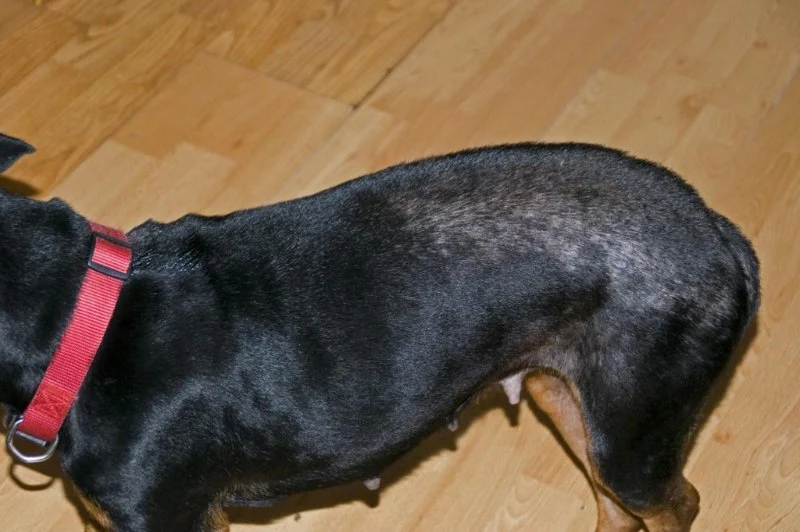
- Intense Itching: Pets with flea allergies experience severe itching, especially around the tail, neck, and back areas.
- Hair Loss: Excessive scratching and biting can lead to hair loss, particularly in areas where fleas tend to bite.
- Red, Inflamed Skin: Flea bites cause redness and swelling in affected areas, often accompanied by scabs or sores.
- Hot Spots: Pets with FAD often develop hot spots, which are painful, moist, and infected areas of the skin.
- Excessive Grooming: Your pet may groom excessively in an attempt to relieve itching, which can lead to skin damage.
3 - How to Diagnose Flea Allergic Dermatitis
Diagnosing flea allergic dermatitis involves a combination of physical examination and tests by a veterinarian. Here's how the diagnosis is typically made:
- Flea Examination: A vet will look for signs of fleas, flea dirt, or flea eggs in your pet’s fur. Flea dirt is a key sign of flea presence.
- Skin Scraping or Biopsy: In some cases, the vet may perform a skin scraping to check for parasites or bacterial infections that may have developed as a result of the scratching.
- Allergy Testing: If fleas are not found, your vet may suggest allergy testing to rule out other causes of skin irritation, such as food allergies or environmental allergens.
4 - Effective Treatments for Flea Allergic Dermatitis
Treating flea allergic dermatitis typically involves addressing both the symptoms and the underlying flea infestation. Here are some effective treatments:
- Flea Control: The most important step is to eliminate fleas from your pet and its environment. This includes using flea treatments like spot-ons, oral medications, flea collars, and treating your home and yard with appropriate flea control products.
- Topical Treatments: Medicated shampoos, sprays, and ointments can help soothe your pet’s skin and reduce inflammation and itching caused by flea bites.
- Antihistamines or Steroids: Your vet may prescribe antihistamines or corticosteroids to help manage allergic reactions and reduce itching and swelling.
- Antibiotics: If your pet has developed a secondary bacterial infection due to excessive scratching, antibiotics may be necessary to clear the infection.
- Fatty Acid Supplements: Omega-3 fatty acids can help improve skin health and reduce inflammation associated with flea allergies.
5 - Preventing Flea Allergic Dermatitis in Pets
Preventing flea allergic dermatitis is easier than treating it, and it begins with effective flea prevention. Some key strategies include:
- Regular Flea Prevention: Use year-round flea prevention methods recommended by your vet. This may include topical treatments, oral medications, or flea collars.
- Maintain a Clean Home: Regularly clean your home, including vacuuming floors, carpets, and pet bedding, to reduce flea eggs and larvae in the environment.
- Yard Maintenance: Treat your yard with flea control products, especially if your pet spends time outdoors.
- Regular Vet Check-ups: Regular vet visits ensure that any flea problems are caught early, and your pet remains healthy.
Flea allergic dermatitis can be a frustrating condition for both pets and their owners, but with the right diagnosis and treatment plan, you can provide your pet with relief. Prevention is key, and by implementing a comprehensive flea control routine, you can reduce the chances of this condition recurring. For more information on how to treat flea allergies in your pet, visit Brothers Pets for expert advice and product recommendations.





 PAWsitively Sweet Bakery0.0 (0 reviews)
 Top Dog Pet Store Riverside4.0 (26 reviews)
 Sheehan Veterinary Centre4.0 (208 reviews)
 All The Best Pet Care - Issaquah4.0 (226 reviews)
 Dry Creek Animal Hospital4.0 (33 reviews)
 Veterinary Clinic (Gateway Pet Guardians)0.0 (0 reviews)
 How to Prepare Your Dog for a Vet Visit Stress-Free
 How to Spot and Treat Hip Dysplasia in Dogs: A Complete Guide
 How to Spot Early Signs of Cancer in Pets and What to Do Next
 The Ultimate Guide to Veterinary Advice
 Traveling with Pets: Tips for a Safe and Comfortable Journey
 How to Manage Your Pet’s Anxiety During Vet Visits