
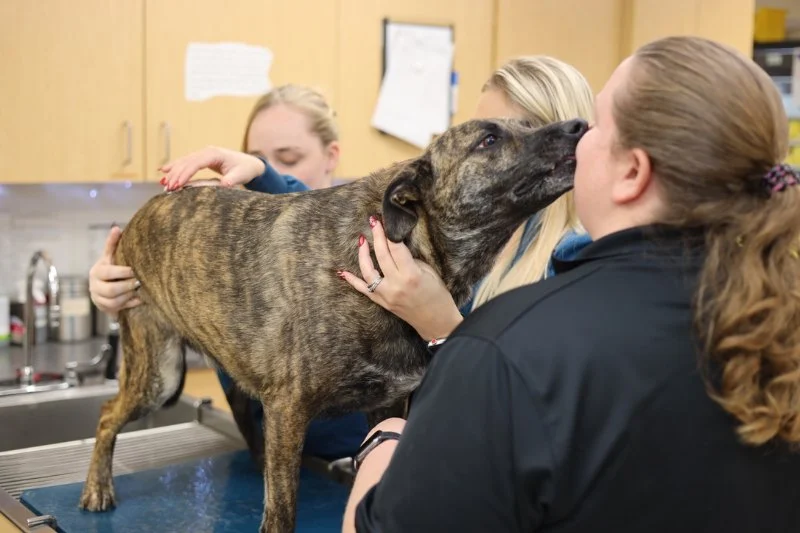
1. Understanding Pet Anxiety During Vet Visits
It’s completely normal for pets to feel anxious during vet visits. The unfamiliar smells, sounds, and the overall environment can cause stress. This is especially common in dogs and cats, who may not fully understand why they’re being taken to a place where they might feel vulnerable. Understanding the causes of your pet's anxiety is the first step toward managing it effectively.
Common signs of anxiety in pets include shaking, panting, hiding, excessive drooling, and vocalizing. These behaviors often stem from the stress of being in an unfamiliar place, as well as the negative experiences that may have occurred during previous visits. For some pets, vet visits can trigger more intense reactions, such as aggression or attempts to escape the situation. Recognizing these signs early allows you to take proactive steps to help your pet stay calm.
2. How to Calm Your Pet Before the Vet Visit
Preparing your pet before the vet visit is crucial in reducing anxiety. Here are a few effective strategies:
- Desensitize Your Pet to the Carrier or Car Ride: If your pet associates the carrier or car with the stressful vet visit, try desensitizing them to these items beforehand. Start by placing treats and toys in the carrier, and encourage your pet to explore it on their own. Take short, enjoyable car rides to help them associate the car with something positive.
- Maintain a Calm Demeanor: Pets often pick up on their owners’ emotions. If you’re anxious or nervous about the visit, your pet may sense this and become more anxious themselves. Keep calm, speak in soothing tones, and reassure your pet that everything will be okay.
- Exercise Before the Appointment: A good walk or play session before the vet visit can help burn off excess energy and reduce nervousness. This is especially helpful for dogs that may become overly excited or stressed during the visit.
- Comfort Items: Bring along a favorite blanket or toy that smells like home. Having a familiar scent can help comfort your pet and reduce stress.
3. Keeping Your Pet Calm During the Vet Visit
Once you're at the vet’s office, maintaining your pet’s calm is key. Here’s how you can keep your pet as relaxed as possible:
- Stay Close to Your Pet: During the appointment, stay by your pet’s side and offer gentle reassurance. Your presence will help them feel more secure and less anxious. If possible, let them sit on your lap or stand beside you, which can offer comfort during the exam.
- Use Calming Products: There are various calming aids available to help manage pet anxiety. Products like pheromone sprays (e.g., Adaptil for dogs or Feliway for cats) mimic calming scents that help reduce stress. These can be sprayed in the carrier or on a blanket before the visit. Some pets also benefit from calming treats or supplements, which are available at pet stores like Brothers Pets.
- Stay Positive: Praise your pet throughout the visit. Positive reinforcement helps to create a more positive association with the vet visit. Offer treats or verbal praise after each step of the examination to reward calm behavior.
4. Long-Term Strategies for Managing Pet Anxiety
While managing anxiety during a vet visit is important, it’s also crucial to work on long-term strategies that can help reduce your pet’s overall anxiety. Some approaches include:
- Regular Socialization: Taking your pet to various places, including pet-friendly parks, pet stores, or even for short car rides, helps them become more accustomed to different environments. Gradual exposure to new settings can reduce anxiety over time.
- Routine Vet Visits: Regular checkups, even if they don’t involve any major procedures, help your pet become more accustomed to the vet’s office. Positive experiences at the vet, such as receiving treats or extra attention, can create more positive associations.
- Behavioral Training: For pets with severe anxiety, working with a professional trainer can help. Training techniques such as desensitization and counter-conditioning can teach your pet to stay calm in stressful situations.
- Stress-Relief Products: In addition to calming pheromones and treats, consider investing in long-term products like calming collars, anxiety wraps (such as Thundershirts), or even calming music designed for pets. These products can help keep your pet relaxed both at the vet and in other stressful situations.
With these long-term strategies, your pet will likely become more comfortable with vet visits and other stressful situations. The goal is to reduce the intensity of their anxiety over time, making vet visits easier for both you and your pet.
If you’re looking for products to help manage your pet’s anxiety or improve their overall comfort, visit Brothers Pets for a wide range of calming aids and pet care products designed to make your pet’s life easier.



 Brooklyn Heights Veterinary Hospital4.0 (57 reviews)
 Farmland Pets & Feed4.0 (769 reviews)
 Monon Animal Hospital4.0 (161 reviews)
 Sugar Grove Animal Hospital4.0 (455 reviews)
 Upscales-Fish & Reptiles LLC4.0 (176 reviews)
 Morningside Animal Care Center4.0 (153 reviews)
 How to Create a Pet-Friendly Home for Your Furry Friends
 Expert Advice on Pet Grooming: Tips for Healthy, Happy Pets
 How to Improve Your Pet's Adoption Experience
 How to Safely Clean Your Pet’s Ears and Prevent Infections: Expert Tips
 The Importance of Regular Vet Check-Ups for Preventive Care
 Beginner's Guide to Pet Health | Essential Tips for New Pet Owners