
- 1- Understanding Pet Vaccination
- 2- The Types of Vaccines Your Pet Needs
- 3- Vaccine Schedule for Pets
- 4- Common Myths About Pet Vaccination
- 5- Why Pet Vaccination is Essential for Long-Term Health
- 6- Conclusion: Keep Your Pet Protected
1- Understanding Pet Vaccination
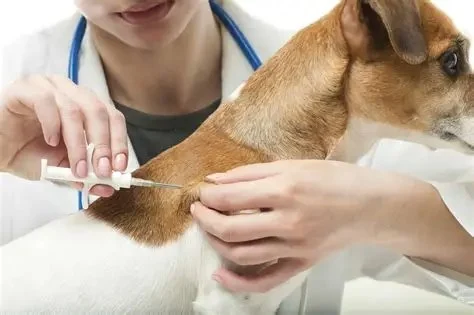
Pet vaccination is one of the most important things you can do to protect your furry companion from various life-threatening diseases. Vaccines help strengthen your pet's immune system and prevent illnesses that could otherwise be fatal. This guide will walk you through everything you need to know about pet vaccination, including the importance of vaccinating your pet, what vaccines they need, and when to get them.
In the U.S., vaccination requirements can vary by state and pet type, but there are some common vaccines that every pet should receive. Whether you are a new pet owner or a seasoned one, it's essential to stay informed about how vaccinations can keep your pet healthy.
2- The Types of Vaccines Your Pet Needs
There are two main types of vaccines for pets: core vaccines and non-core vaccines. Core vaccines are essential for all pets, while non-core vaccines may be recommended depending on your pet's lifestyle, age, and environment.
1. Core Vaccines
Core vaccines protect against the most common and serious diseases that affect pets. These include:
- Rabies: This deadly disease is required by law in most places in the U.S. Rabies vaccination is crucial for both your pet's health and public safety.
- Distemper: A viral disease that affects a pet's respiratory, gastrointestinal, and nervous systems. It is highly contagious and can be fatal if untreated.
- Parvovirus: A highly contagious virus that can cause severe vomiting and diarrhea, often leading to death if not treated promptly.
- Canine Adenovirus (CAV-2): This virus causes respiratory and liver diseases in dogs.
2. Non-Core Vaccines
Non-core vaccines are not essential for every pet but may be recommended based on your pet’s exposure risks. These include:
- Bordetella: A bacteria that causes kennel cough, often recommended for pets that stay in kennels, boarding facilities, or dog parks.
- Leptospirosis: A bacterial infection that affects the liver and kidneys, commonly recommended for pets living in rural or wet environments.
3- Vaccine Schedule for Pets
Vaccination schedules can vary depending on your pet's age, health, and risk factors. Generally, puppies and kittens will receive a series of vaccinations during their first few months of life, followed by booster shots as they age.
1. Puppy and Kitten Vaccination Schedule
For puppies and kittens, the initial series of vaccinations typically begins at 6-8 weeks of age, with boosters every 3-4 weeks until they are about 16 weeks old. After the initial series, pets will need booster shots at regular intervals (usually annually or every 3 years, depending on the vaccine).
2. Adult Dog and Cat Vaccination Schedule
Adult pets usually receive booster vaccines every 1-3 years, depending on the type of vaccine and local regulations. Your veterinarian will guide you on when it's time for your pet’s next vaccination.
4- Common Myths About Pet Vaccination
There are many misconceptions surrounding pet vaccination. It's important to separate fact from fiction to ensure your pet gets the best protection possible. Here are some common myths and the truths behind them:
1. "My Pet Only Needs Vaccines as a Puppy or Kitten"
Fact: Pets require booster vaccines throughout their lives to maintain immunity. Skipping vaccinations can put your pet at risk for serious diseases.
2. "Vaccines Can Overwhelm My Pet’s Immune System"
Fact: Modern vaccines are designed to be safe and effective. The number of vaccines given at once is carefully planned to avoid overwhelming your pet’s immune system.
3. "Vaccines Are Too Expensive"
Fact: While vaccination costs can vary, the expense of a vaccine is much lower than the cost of treating a serious illness or the heartbreak of losing a pet to a preventable disease.
5- Why Pet Vaccination is Essential for Long-Term Health
Vaccination is one of the most effective ways to ensure your pet enjoys a long and healthy life. Vaccines protect against infectious diseases that could otherwise lead to severe illness or even death. They also help prevent the spread of diseases within the pet community, keeping your pets and others safe.
By staying on top of your pet’s vaccination schedule, you’re helping prevent costly and painful medical treatments down the road. Plus, regular vaccinations contribute to your pet’s overall wellness, giving them the best chance for a happy life.
6- Conclusion: Keep Your Pet Protected
Pet vaccination is an investment in your pet’s future health. It is a simple and effective way to protect your furry friend from dangerous diseases. Don’t skip your pet’s vaccinations; work with your veterinarian to ensure they stay up-to-date on all necessary vaccines.
For more information on how to keep your pet healthy and the best pet care products, visit Brothers Pets today!






 Parkersburg Veterinary Services4.0 (66 reviews)
 Ark Animal Hospital4.0 (202 reviews)
 Bern-Sabetha Veterinary Clinic4.0 (106 reviews)
 PetVet Vaccination Clinic0.0 (0 reviews)
 Belmont Veterinary Clinic4.0 (81 reviews)
 Vetco Vaccination Clinic3.0 (17 reviews)
 Preventing and Treating Separation Anxiety in Dogs and Cats
 Understanding Pet Grooming: Tips for Maintaining Your Pet's Coat and Skin
 Tips for Safe Outdoor Play for Indoor Cats
 How to Socialize Your Cat Without Stress – Tips for a Positive Experience
 The Importance of Dental Chews for Cats and Dogs: A Guide for Pet Owners
 What Every Pet Owner Should Know About Pet Behavior – A Practical Guide