
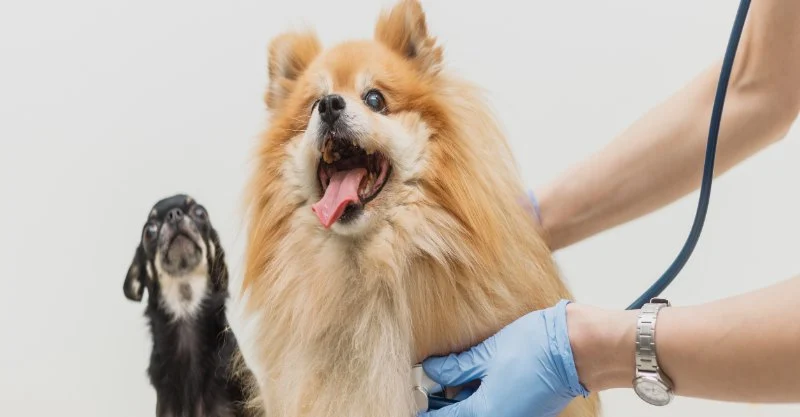
- maintain-regular-vet-checkups
- understand-your-pets-breed-specific-needs
- balanced-diet-is-key-to-prevention
- stay-updated-on-vaccinations-and-parasite-control
- practice-cleanliness-and-hygiene-in-your-home
- give-them-enough-exercise-and-mental-stimulation
- monitor-changes-in-behavior-and-appetite
- safe-socialization-is-important
- be-mindful-of-seasonal-threats
- partnering-with-brothers-pets-for-total-wellness
1. Maintain Regular Vet Checkups
Prevention always begins with professional insight. Visiting the vet at least once a year ensures your pet's health is being monitored, and early signs of disease—like kidney issues or heart murmurs—don’t go unnoticed. For senior pets or breeds prone to chronic conditions, semi-annual visits are a smart move.
A Labrador owner in New Jersey once shared how a routine checkup revealed early-stage arthritis in her eight-year-old dog. With timely treatment, her pup maintained mobility and avoided major pain.
2. Understand Your Pet’s Breed-Specific Needs
Not all pets have the same vulnerabilities. For example, flat-faced breeds like Pugs are prone to respiratory problems, while large breeds often face joint issues. Doing your homework about your pet’s breed helps tailor prevention strategies that work best for them.
Research and adapt your care routine accordingly—diet, exercise, and even bedding choices should reflect their genetic predispositions.
3. Balanced Diet Is Key to Prevention
A poor diet leads to weakened immunity, obesity, and a host of health issues. High-quality pet food, rich in nutrients and free of fillers, supports everything from a shiny coat to strong internal organs. Avoid overfeeding and be cautious with treats—sometimes love can come with unintended consequences.
Don’t forget that some human foods—like onions, grapes, and chocolate—are toxic to pets. When in doubt, check with your vet or trusted sources like Brothers Pets to ensure you’re making healthy choices.
4. Stay Updated on Vaccinations and Parasite Control
Rabies, distemper, Lyme disease, heartworm—these are just a few of the threats your pet can face if left unprotected. Vaccination schedules should never be ignored, and monthly flea, tick, and worm preventives are essential, especially for outdoor or travel-friendly pets.
One Florida family learned this the hard way when their rescue dog contracted heartworm after they skipped preventive care. Treatment was long, expensive, and avoidable.
5. Practice Cleanliness and Hygiene in Your Home
Pet bowls, bedding, toys, and litter areas can become breeding grounds for bacteria. Regular cleaning reduces the risk of gastrointestinal or skin infections. Don’t overlook the importance of grooming, either—matted fur or long nails can lead to discomfort and injury.
Make sure your home environment is not only clean but also pet-safe, with no accessible chemicals, toxic plants, or dangerous chewables lying around.
6. Give Them Enough Exercise and Mental Stimulation
Physical activity boosts circulation, digestion, and joint flexibility. But pets also need mental stimulation to stay emotionally well. Puzzle toys, training games, and simple changes in walking routes can go a long way.
Boredom in dogs often manifests in destructive behavior or even depression. Keeping their minds active is a powerful shield against illness.
7. Monitor Changes in Behavior and Appetite
Sudden shifts in mood, energy, or eating habits are usually red flags. If your usually playful cat becomes lethargic, or your pup skips meals for more than a day, take it seriously. Early intervention saves lives.
Keep a log of daily routines if you have a multi-pet household. Noticing patterns helps pinpoint problems before they escalate.
8. Safe Socialization Is Important
Social interaction is essential, but not all pets play nice or clean. Exposure to unfamiliar animals can introduce parasites or behavioral trauma. Always supervise dog park visits and avoid shared toys or water bowls when possible.
If your pet is anxious around others, consider structured classes or one-on-one playdates rather than throwing them into chaotic environments.
9. Be Mindful of Seasonal Threats
From summer heatstroke to winter frostbite, every season carries unique risks. Adjust walks, clothing, and hydration habits accordingly. Keep antifreeze and road salt away from pets in the colder months—it’s toxic even in small amounts.
Allergies can also flare up seasonally, so if you notice increased scratching or sneezing, consult your vet about antihistamines or special shampoos.
10. Partnering with Brothers Pets for Total Wellness
Whether it’s selecting the right food, booking grooming appointments, or getting advice on vaccinations, Brothers Pets provides tailored resources and top-quality products for your pet’s holistic well-being. With a commitment to education and care, they help owners prevent illness before it ever appears.
It’s not about overprotecting—it’s about being informed, proactive, and present. Your pet depends on you, and with the right knowledge and partners, keeping them healthy becomes a joyful journey.




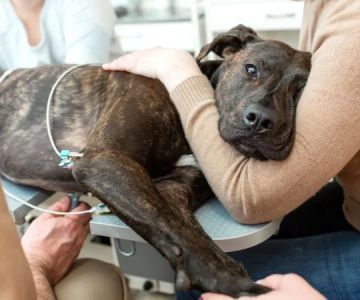

 Algiers Animal Clinic: Andrew Gutter DVM4.0 (9 reviews)
 Olde Towne Animal Hospital4.0 (310 reviews)
 Dayton Humane Veterinary Hospital4.0 (131 reviews)
 Wills Point Veterinary Clinic4.0 (683 reviews)
 Cat Care Clinic4.0 (230 reviews)
 PetVet Vaccination Clinic4.0 (1 reviews)
 How to Recognize and Treat Common Pet Diseases: A Guide for Pet Owners
 How to Spot and Treat Hip Dysplasia in Dogs: A Complete Guide
 How to Safely Introduce Your Dog to Swimming - Expert Tips for Pet Owners
 How to Provide Safe and Effective Flea Treatment for Your Pet" — Optimized for the target audience and search engines.
 How to Spot and Treat Endocrine Disorders in Pets
 How to Help Your Pet Cope with Anxiety During Vet Visits: Tips for Stress-Free Trips