
 <<<
<<<- 1- Why Swimming is Good for Dogs
- 2- Signs Your Dog is Ready for Swimming
- 3- Steps to Safely Introduce Your Dog to Swimming
- 4- Common Issues When Introducing Dogs to Water
- 5- Safety Tips for Dog Swimming
1- Why Swimming is Good for Dogs
Swimming is an excellent form of exercise for dogs, offering a low-impact workout that is easy on their joints while providing a full-body exercise. Whether your dog is young, old, active, or recovering from an injury, swimming can help improve their strength, stamina, and flexibility.
In addition to the physical benefits, swimming is a great mental exercise. It can help alleviate anxiety, provide an outlet for energy, and improve your dog’s overall mood. Plus, swimming is often enjoyable for dogs, especially when they are introduced to it properly.
However, introducing your dog to swimming should be done cautiously and gradually. Ensuring that the experience is safe and positive is essential for your dog to enjoy swimming in the future.
2- Signs Your Dog is Ready for Swimming
Not all dogs are naturally inclined to swim, so it’s important to assess whether your dog is ready to get in the water. Here are some signs that your dog may be ready for swimming:
- Positive Reaction to Water: If your dog shows curiosity or interest when near water, such as paddling their feet or sniffing around, they may be ready to try swimming.
- Good Health and Fitness: Swimming is an exercise, so your dog should be in good health and physically fit. If your dog has mobility issues or heart problems, consult your vet before introducing them to swimming.
- Comfort with New Environments: Dogs that are confident and comfortable in new environments may be more open to swimming. If your dog is skittish or fearful of water, it’s important to take things slow.
- Previous Water Experiences: If your dog has had positive interactions with water in the past (such as wading in shallow water or playing with water toys), they may be more willing to swim.
If your dog shows signs of hesitation or fear, they may need more time to adjust to the water. It’s important to be patient and gentle as you introduce them to swimming.
3- Steps to Safely Introduce Your Dog to Swimming
Introducing your dog to swimming requires patience, positive reinforcement, and the right environment. Here’s a step-by-step guide to help you get started:
- Start Slowly: Begin in shallow water where your dog can stand. Let them get used to the water by walking in with them and allowing them to explore at their own pace. This helps reduce any anxiety they may have about the water.
- Use Positive Reinforcement: Reward your dog with praise, treats, or toys whenever they show interest in the water or make progress. This will help them associate swimming with positive experiences.
- Introduce Floating Toys: Once your dog is comfortable in shallow water, introduce floating toys to encourage them to paddle. You can also toss toys into the water to motivate them to swim.
- Gradually Increase Water Depth: Once your dog is confident in shallow water, gradually increase the depth. Make sure to stay in the water with them for support and comfort.
- Never Force Your Dog: If your dog seems scared or hesitant, stop and give them time to adjust. Never force them into the water or push them to swim before they’re ready.
By following these steps, you can introduce your dog to swimming in a gradual and safe manner, helping them build confidence in the water.
4- Common Issues When Introducing Dogs to Water
While many dogs enjoy swimming, some may experience issues when first introduced to water. Here are a few common challenges and how to overcome them:
- Fear of Water: Some dogs may be fearful of water. To help them overcome this fear, try using positive reinforcement, starting with shallow water, and giving them time to adjust.
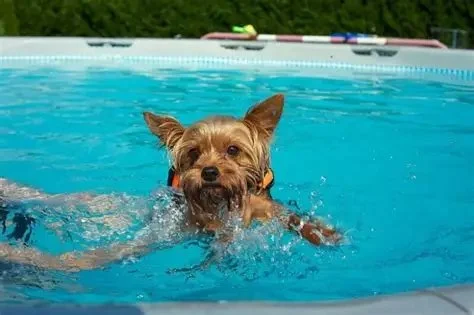
- Difficulty Swimming: Not all dogs are natural swimmers. Some may need assistance, such as a life jacket, to help them stay afloat and feel more comfortable in the water.
- Exhaustion: Swimming can be tiring, especially for dogs that aren’t accustomed to the activity. Monitor your dog’s energy level and take breaks as needed to avoid overexertion.
- Waterborne Illnesses: Be cautious of stagnant water that could harbor harmful bacteria. Always make sure the water is clean and free of pollutants, and avoid swimming in areas with strong currents.
Being aware of these challenges and addressing them with patience will help your dog enjoy swimming safely and comfortably.
5- Safety Tips for Dog Swimming
Swimming can be an enjoyable and beneficial activity for dogs, but it’s important to prioritize safety. Here are some key safety tips to keep in mind:
- Always Supervise Your Dog: Never leave your dog unattended in the water, even if they are strong swimmers. Accidents can happen quickly, so it’s important to stay close by.
- Use a Life Jacket: If you’re swimming in deeper water or with a dog who’s not a natural swimmer, consider using a life jacket. It can provide extra buoyancy and help your dog feel more confident in the water.
- Rinse Off After Swimming: After your dog swims, rinse them off with fresh water to remove any chlorine, saltwater, or debris from their coat and skin.
- Watch for Signs of Fatigue: Swimming is a workout, so watch for signs of fatigue, such as heavy panting or slowing down. Take breaks and ensure they get plenty of water to stay hydrated.
- Inspect for Injuries: Check your dog for any cuts, scratches, or other injuries after swimming, especially if they’ve been in natural bodies of water where hazards like sharp rocks or debris may be present.
By following these safety tips, you can ensure that your dog enjoys swimming in a safe and healthy environment.
If you’re looking for products or expert advice on swimming with your dog, visit Brothers Pets for the best recommendations on life jackets, toys, and other pet care products.






 Twin City Veterinary Clinic4.0 (187 reviews)
 Pet Haven4.0 (144 reviews)
 Something Fishy0.0 (0 reviews)
 Rutherford Veterinary Hospital4.0 (362 reviews)
 Oregon Ragdolls4.0 (17 reviews)
 Clermont Veterinary Hospital: Ingle Linda K DVM4.0 (46 reviews)
 Understanding Canine Diabetes and Dietary Needs | Managing Your Dog’s Health
 How to Help Your Pet Adapt to a New Routine
 How to Help Your Pet Cope with the Loss of a Loved One | Brothers Pets
 The Dos and Don’ts of Pet Health Every Owner Should Know
 The Ultimate Guide to Pet Adoption: What Every Future Pet Parent Should Know
 Understanding Pet Breeds and Their Unique Health Considerations