
- 1 - understanding-pet-aging-signs
- 2 - importance-of-regular-health-checkups
- 3 - adapting-nutrition-for-aging-pets
- 4 - managing-pain-and-mobility-issues
- 5 - mental-stimulation-and-emotional-care
- 6 - creating-a-senior-friendly-environment
- 7 - grooming-hygiene-and-dental-care
- 8 - planning-ahead-end-of-life-care
1. Understanding Pet Aging Signs
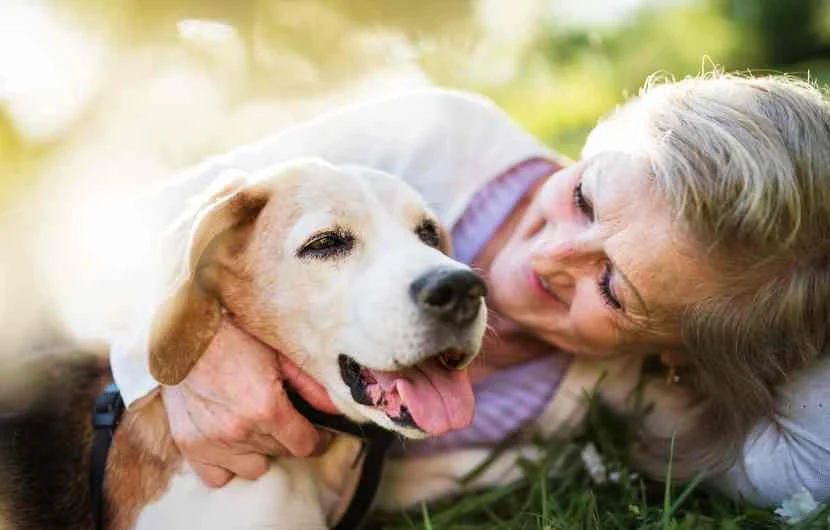
As pets age, their bodies and behavior begin to change subtly. Recognizing early signs of aging such as slower movements, cloudiness in the eyes, hearing loss, or behavioral changes is crucial. A 9-year-old Labrador named Max, once an energetic swimmer, started hesitating to jump into the lake. His owner initially thought he was just tired, but a vet visit revealed arthritis. Awareness like this can improve an aging pet's quality of life dramatically.
Early detection allows pet owners to take proactive steps. If you notice decreased playfulness, unusual sleep patterns, or appetite loss, consider it a signal to reassess your pet’s health plan.
2. Importance of Regular Health Checkups
Older pets need more frequent health screenings—typically every six months—to catch chronic conditions like kidney disease, diabetes, or dental decay early. These appointments help track weight, organ function, and joint health.
A real-life case involved Bella, a 12-year-old Persian cat. Her routine visit uncovered early kidney issues that, with prompt intervention, were managed successfully for years. Timely vet visits mean more than just shots—they’re a window into your pet’s internal wellbeing.
At Brothers Pets, we can recommend trusted veterinary partners and diagnostic services suited for senior pets.
3. Adapting Nutrition for Aging Pets
Nutritional needs shift significantly as pets grow older. Senior dogs and cats may benefit from diets that are lower in calories but rich in protein, omega-3 fatty acids, and joint-supportive supplements like glucosamine.
For instance, after switching to a specialized senior formula from our Brothers Pets nutritional selection, a 10-year-old beagle named Rosie lost excess weight and regained her energy. A proper diet can ease digestion, maintain muscle mass, and support overall vitality.
Always consult with your vet before making dietary changes, and consider incorporating high-quality senior pet foods into their daily routine.
4. Managing Pain and Mobility Issues
Joint stiffness, arthritis, and hip dysplasia are common in older pets. Managing pain is not just about medication—lifestyle adjustments play a huge role. Pet-safe ramps, heated beds, or orthopedic mattresses can make a world of difference.
One of our customers shared how her 13-year-old Golden Retriever, Toby, could barely get into the car. After installing a simple ramp she found through Brothers Pets, Toby’s outings resumed and his mood improved instantly.
Non-invasive therapies like hydrotherapy, acupuncture, or massage can also enhance comfort and extend mobility in aging pets.
5. Mental Stimulation and Emotional Care
Aging doesn’t just affect the body—it impacts the mind. Cognitive dysfunction syndrome (CDS) in pets is like dementia in humans. Symptoms include confusion, disrupted sleep, and disinterest in social interaction.
Keep your aging pet mentally active through puzzle feeders, gentle training exercises, or even scent games. Emotional connection is vital too—daily affection, soft conversation, and consistent routines go a long way.
We recommend enrichment toys and calming aids available at Brothers Pets to keep your senior companion sharp and relaxed.
6. Creating a Senior-Friendly Environment
Your pet's living space should evolve with their age. Ensure easy access to food and water, reduce slippery surfaces, and provide warm, draft-free resting areas.
For example, one customer installed elevated bowls and memory-foam bedding for her senior cat and noticed immediate improvements in appetite and rest.
At Brothers Pets, we provide ergonomic accessories that make life simpler and safer for your aging pet.
7. Grooming, Hygiene, and Dental Care
Grooming is more than aesthetics—it’s essential for health. Older pets might groom themselves less, making them prone to skin infections, matting, or odor. Regular brushing and bathing help maintain skin health and comfort.
Dental care, often overlooked, is crucial. Dental disease is rampant among senior pets and can lead to systemic problems. Routine cleanings and dental chews can prevent major health issues.
Explore Brothers Pets for specialized grooming tools and senior-safe dental products.
8. Planning Ahead: End-of-Life Care
It’s never easy, but preparing for the final chapter ensures dignity and comfort. Hospice care, pain management, and emotional support are all part of the process.
One heartfelt example came from a family who used in-home euthanasia services to say goodbye to their beloved Boxer, surrounded by familiar love. Their story highlights the power of compassionate planning.
Brothers Pets offers access to resources and guidance for navigating these decisions thoughtfully.




 Nicolosi Animal Hospital4.0 (119 reviews)
 Perrysburg Animal Hospital4.0 (391 reviews)
 Bishop Ranch Veterinary Center: Dodd Michele DVM5.0 (4 reviews)
 Boulevard Animal Hospital4.0 (315 reviews)
 One Love Animal Hospital Bay Ridge4.0 (420 reviews)
 Slippery Rock Veterinary Hospital4.0 (125 reviews)
 Human Foods That Are Surprisingly Safe for Dogs: A Guide for Pet Owners
 Beginner's Guide to Pet Mental Health: Signs, Causes, and How to Help
 How to Choose the Right Pet Boarding Facility
 Ways to Keep Your Dog Entertained When Home Alone – Fun Ideas and Tips
 Human Foods That Are Surprisingly Safe for Dogs
 Safe and Effective Diet Plans for Overweight Dogs Recommended by Veterinarians | Brothers Pets