
How to Spot and Treat Allergies in Cats and Dogs
- Understanding Allergies in Cats and Dogs
- Common Symptoms of Allergies in Pets
- Common Triggers of Pet Allergies
- Treatment Options for Allergies in Pets
- When to Seek Veterinary Help for Pet Allergies
Allergies in cats and dogs are more common than many pet owners realize. Just like humans, pets can develop sensitivities to certain substances in their environment, leading to allergic reactions. These reactions can vary from mild to severe, depending on the allergen and the pet's immune response. In 2025, it's essential for pet owners to stay informed about the causes and treatments of allergies to ensure their pets lead happy, healthy lives.
Identifying allergies in pets can be tricky because the symptoms often overlap with other health conditions. However, there are common signs to look for:
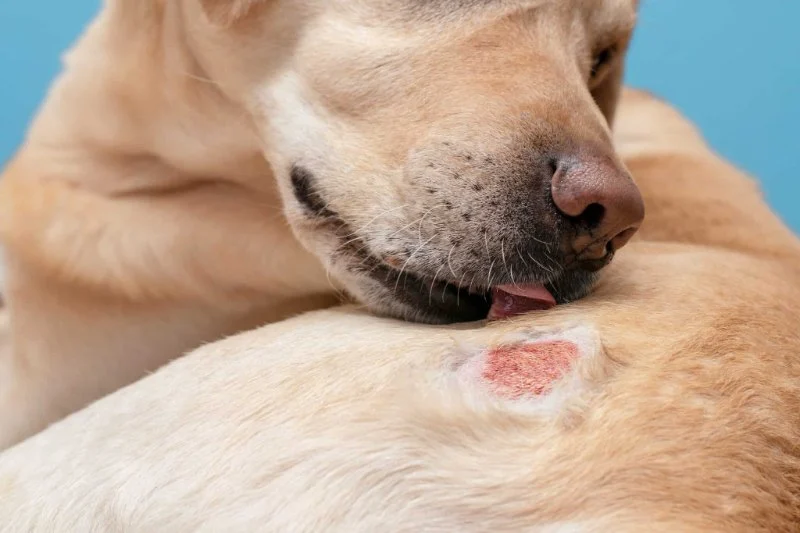
- Itchy Skin: One of the most common symptoms, pets with allergies may excessively scratch, bite, or lick their skin, leading to hair loss or sores.
- Ear Infections: Allergies can cause inflammation in the ears, leading to ear infections. Signs include shaking the head, scratching the ears, or a foul odor from the ears.
- Gastrointestinal Issues: Vomiting or diarrhea can sometimes be a sign of food allergies. If your pet is having recurrent digestive problems, allergies could be the cause.
- Watery Eyes and Sneezing: Like humans, pets can also suffer from respiratory allergies, leading to watery eyes and sneezing.
- Behavioral Changes: Pets with allergies may become more irritable, anxious, or lethargic due to constant discomfort.
Several factors can trigger allergies in cats and dogs. Identifying the allergen is crucial for effective treatment:
- Food Allergies: Some pets are allergic to specific ingredients in their food, such as chicken, beef, dairy, or grains. A food allergy may lead to gastrointestinal problems or itchy skin.
- Flea Allergies: Flea bites can trigger allergic reactions in pets, especially if they are sensitive to flea saliva. This condition is known as flea allergy dermatitis (FAD).
- Environmental Allergens: Pollens, dust mites, mold, and other environmental allergens can cause respiratory issues and skin irritation. These allergens are more common in pets that live indoors but can also affect outdoor pets.
- Contact Allergies: Pets can develop allergic reactions from direct contact with certain substances, such as shampoos, cleaning products, or fabrics.
There are several treatment options available for pets suffering from allergies:
- Medications: Your veterinarian may recommend antihistamines or corticosteroids to reduce inflammation and alleviate symptoms. In severe cases, immunotherapy (allergy shots) may be suggested.
- Dietary Changes: If food allergies are suspected, your vet may suggest a special hypoallergenic diet. This can help determine which ingredient is causing the reaction.
- Topical Treatments: For pets suffering from itchy skin, medicated shampoos or creams can help soothe irritation and reduce inflammation.
- Flea Control: If fleas are the cause of your pet's allergies, consistent flea control treatments such as topical treatments or oral medications are essential.
- Environmental Modifications: For environmental allergens, try to keep your pet indoors during peak pollen seasons, use air purifiers, and regularly clean their bedding and living areas.
While mild allergies can often be managed at home, there are situations where professional veterinary help is required:
- Severe Symptoms: If your pet’s symptoms are severe, such as excessive vomiting, diarrhea, or difficulty breathing, seek immediate veterinary attention.
- Chronic Symptoms: If your pet’s allergies persist despite treatment, it’s time to consult with a veterinarian who may suggest further tests or alternative treatments.
- Skin Infections: If your pet's skin becomes infected due to excessive scratching, a vet will provide the necessary treatment to prevent further complications.
Conclusion: Managing Allergies in Cats and Dogs
Understanding how to spot and treat allergies in cats and dogs is an essential part of responsible pet ownership. By recognizing the symptoms, identifying the triggers, and utilizing the right treatments, you can help your pets lead happier, more comfortable lives. Remember, if you’re ever unsure or if the symptoms persist, it’s always best to consult with a veterinarian. For expert advice and high-quality pet products, visit Brothers Pets for everything you need to care for your furry friends.





 The Animal Neurology Center4.0 (43 reviews)
 RAW Munchie0.0 (0 reviews)
 Appalachian Animal Hospital4.0 (435 reviews)
 Apollo Veterinary Wimberley5.0 (325 reviews)
 Arizona Exotic Animal Hospital (Mesa)4.0 (934 reviews)
 Serene Veterinary Services5.0 (1 reviews)
 How to Provide Comfort for Pets with Arthritis
 Understanding Canine Hip Health and Exercise Needs: Key Insights
 How to Spot and Treat Bladder Stones in Pets
 Expert Advice on Pet Diseases: How to Keep Your Pets Healthy and Happy
 How to Recognize and Treat Skin Allergies in Cats: Expert Tips for Pet Owners
 The Ultimate Guide to Treating and Preventing Dog Diarrhea at Home