

- Understanding the Aging Process in Pets
- Common Health Issues in Senior Pets
- How to Adjust Your Pet’s Diet and Exercise Routine
- Signs Your Pet May Need Veterinary Attention
- Helpful Products for Senior Pet Care
Understanding the Aging Process in Pets
As our pets age, their needs change. Just like humans, pets undergo physical and behavioral changes as they grow older. Understanding the aging process in pets is crucial for providing the best care as they transition into their senior years. While some aging signs are inevitable, others can be managed effectively with the right care and attention.
Veterinarians recommend keeping a close eye on your pet’s health as they reach the senior stage. In general, pets are considered senior when they reach 7 years of age, but this can vary depending on their breed and size. Larger dogs tend to age faster than smaller breeds. The aging process can bring about slower movement, changes in appetite, or even behavioral shifts, so it’s essential to recognize these signs early on and adjust your pet's care accordingly.
Common Health Issues in Senior Pets
As pets age, they may face specific health challenges that require more frequent monitoring and intervention. Below are some of the most common health issues found in older pets:
- Arthritis: Joint pain and stiffness are common as pets age. Arthritis can make it difficult for your pet to move comfortably, leading to decreased activity levels and discomfort.
- Dental Disease: Oral health is often neglected, but dental disease is common in senior pets. It can lead to pain, difficulty eating, and even more severe issues such as infections.
- Vision and Hearing Loss: Older pets may experience a decline in their vision or hearing, which can affect their ability to interact with their environment.
- Kidney Disease: Kidney function declines in many senior pets, especially cats and dogs. Regular veterinary check-ups can help monitor kidney health.
- Cognitive Dysfunction Syndrome: Similar to dementia in humans, older pets can experience cognitive dysfunction, leading to confusion, changes in behavior, and disrupted sleep patterns.
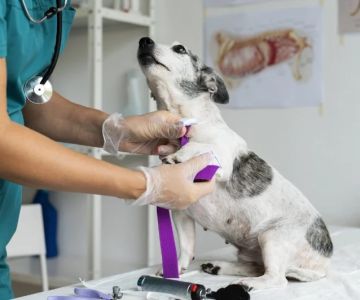
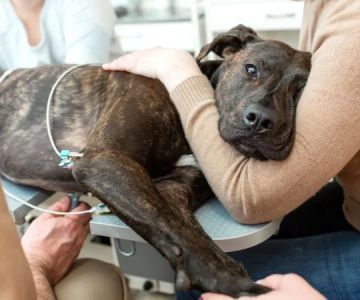
Recognizing the signs of these conditions early on is essential for effective treatment. Regular vet check-ups and health screenings are key to catching these issues before they progress.
How to Adjust Your Pet’s Diet and Exercise Routine
Diet and exercise are two of the most important aspects of senior pet care. As your pet ages, they may require adjustments in both areas to maintain a healthy lifestyle.
Dietary Adjustments for Aging Pets
Older pets often have different dietary needs. They may require fewer calories but more specific nutrients to support their aging bodies. Many senior pet foods are formulated to provide the right balance of protein, fat, and fiber, as well as vitamins and minerals that support joint health, digestion, and overall well-being.
Exercise Modifications for Senior Pets
Exercise is just as important for older pets as it is for younger ones. Regular physical activity helps maintain muscle mass, joint flexibility, and mental health. However, the intensity of exercise should be adjusted based on your pet’s condition. Shorter, more frequent walks and low-impact activities, like swimming or gentle play, are ideal for aging pets.
At Brothers Pets, we offer a variety of specialized foods and supplements designed to support aging pets, ensuring that they get the nutrition they need as they grow older. We also provide pet-friendly exercise products that help keep your senior pet active without overexerting them.
Signs Your Pet May Need Veterinary Attention
It’s important to recognize when your senior pet may need a visit to the vet. Some signs to watch for include:
- Sudden changes in behavior or personality
- Difficulty standing up or walking
- Loss of appetite or difficulty eating
- Excessive panting or breathing problems
- Frequent accidents indoors (for house-trained pets)
- Visible lumps or bumps
If you notice any of these signs, it’s important to schedule a vet visit promptly. Catching potential health issues early can significantly improve your pet’s quality of life and provide more treatment options.
Helpful Products for Senior Pet Care
Caring for an aging pet often requires specialized products to make their daily life easier and more comfortable. At Brothers Pets, we provide a wide range of items designed to meet the unique needs of senior pets, including:
- Joint Support Supplements: These products help improve mobility and reduce discomfort associated with arthritis and other joint issues.
- Dental Care Products: Specialized toothpastes, brushes, and oral chews can help prevent dental disease and promote overall oral health in senior pets.
- Comfortable Bedding: As pets age, they may develop joint pain and discomfort. Orthopedic beds and soft, supportive bedding can help provide relief and promote restful sleep.
- Interactive Toys: To stimulate mental and physical activity, consider providing toys that engage your pet’s senses while keeping their mind sharp.
By investing in the right products and providing proper care, you can help your aging pet live their best life. Visit Brothers Pets for more resources and recommendations tailored to senior pets.




 Pet Assistance, Inc.2.0 (7 reviews)
 Center City Veterinary Hospital4.0 (230 reviews)
 VIP Petcare Vaccination Clinic0.0 (0 reviews)
 Codornices Annex Clinic0.0 (0 reviews)
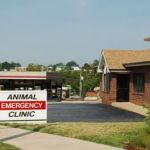 Animal Emergency Clinic3.0 (474 reviews)
 Point Marion Veterinary Care4.0 (239 reviews)
 How to Keep Your Pet Safe from Household Poisons
 Pet Diseases: What Vets Want You to Know
 How to Safely Clean Your Pet’s Ears and Prevent Infections: Expert Tips
 The Role of Supplements in Your Pet's Health
 How to Introduce Your Dog to Other Pets Safely
 How to Train Your Pet to Be Comfortable Around Strangers