
- 1. Why a Healthy Coat Matters for Senior Cats
- 2. Grooming Tips for Senior Cats
- 3. Diet and Nutrition for a Healthy Coat
- 4. Common Coat Problems in Elderly Cats
- 5. Regular Veterinary Care for Maintaining a Healthy Coat
- 6. Real-Life Experience: Maintaining My Senior Cat’s Coat
- 7. Recommended Products for Maintaining Your Cat’s Coat
1. Why a Healthy Coat Matters for Senior Cats
As cats age, their health needs evolve, and one of the most noticeable changes is in the condition of their coat. A healthy, shiny coat is often a sign of a well-balanced diet and good health. For senior cats, maintaining a healthy coat becomes even more crucial. Not only does it contribute to your cat’s appearance, but it also plays a vital role in protecting their skin from the elements and preventing infections.
1.1 The Role of the Coat in Senior Cats’ Health
A cat’s coat is more than just a protective barrier against the weather; it also serves as an indicator of overall health. For senior cats, the coat can reflect internal health issues, such as nutritional deficiencies, dehydration, or underlying illnesses. Ensuring that your cat maintains a healthy coat means that they’re also receiving proper nutrition, hydration, and care.
1.2 Maintaining Comfort and Mobility
Older cats often experience joint stiffness and reduced mobility, which can make grooming more difficult. Regular care of their coat not only improves their appearance but also keeps their skin comfortable and free from mats or tangles that might cause irritation or discomfort.
2. Grooming Tips for Senior Cats
Grooming is essential to maintain a healthy coat, but senior cats often require more attention as they age. Their ability to groom themselves may decline, leading to mats, tangles, and even skin issues. Here are some key grooming tips for senior cats:
2.1 Brushing Regularly
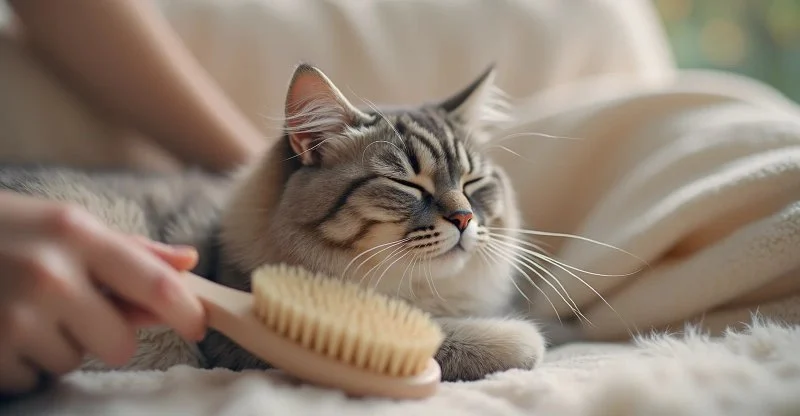
Senior cats may not groom themselves as thoroughly as younger cats. Regular brushing is vital to keep their coat free from mats and tangles. Brush your cat’s coat at least two to three times a week, focusing on areas that are prone to matting, such as behind the ears, under the arms, and around the hind legs.
2.2 Use the Right Tools
Choose grooming tools that are gentle on your cat’s sensitive skin. A soft-bristle brush or a cat-specific comb is ideal for senior cats, as these tools won’t pull on their fur or irritate their skin. For long-haired cats, a detangling spray may also help ease the grooming process.
2.3 Check for Skin Issues
During grooming, take the opportunity to check your cat’s skin for any signs of irritation, lumps, or dryness. Skin problems are common in senior cats, and early detection can help prevent more serious health issues. If you notice any abnormalities, consult with your veterinarian for advice and treatment.
3. Diet and Nutrition for a Healthy Coat
Proper nutrition is key to maintaining a healthy coat in senior cats. As cats age, their nutritional needs change. A balanced diet helps ensure that your cat’s coat stays glossy and their skin remains healthy. Here are some dietary recommendations to support a senior cat’s coat:
3.1 High-Quality Protein
Senior cats need high-quality protein to maintain muscle mass and support healthy skin and coat. Look for foods that contain named animal proteins like chicken, turkey, or fish. Avoid foods with fillers like corn or soy, which offer little nutritional benefit.
3.2 Omega-3 and Omega-6 Fatty Acids
Fatty acids, particularly omega-3 and omega-6, are essential for skin health and coat condition. These healthy fats help maintain a shiny, soft coat and reduce inflammation in the skin. Consider incorporating foods or supplements that contain fish oil or flaxseed oil into your cat’s diet.
3.3 Hydration is Key
Dehydration can affect your cat’s coat and skin health, leading to dryness or flakiness. Make sure your cat has access to fresh water at all times, and consider offering wet food, which can help increase their fluid intake. Cats are often less inclined to drink water on their own, so wet food can be an excellent way to keep them hydrated.
4. Common Coat Problems in Elderly Cats
As cats age, they may experience a variety of coat-related problems. Some of these issues can be managed at home, while others may require veterinary intervention. Here are some common coat problems in senior cats:
4.1 Dry, Flaky Skin
Dry, flaky skin is a common issue in older cats, especially if they’re not getting enough hydration or if their grooming habits have declined. To manage this, ensure your cat is drinking enough water and consider using a humidifier in your home to prevent the air from becoming too dry.
4.2 Hair Loss and Thinning Coat
As cats age, their hair may thin, and they might experience hair loss in patches. This can be caused by hormonal imbalances, medical conditions like hypothyroidism, or nutritional deficiencies. If your senior cat is losing hair or their coat is thinning, it’s best to consult your veterinarian for a proper diagnosis.
4.3 Matting and Tangles
Senior cats may struggle with grooming, which can lead to mats and tangles in their fur. Regular brushing is essential to prevent mats from forming, especially in long-haired cats. If your cat’s fur is severely matted, a professional groomer may need to remove the tangles gently.
5. Regular Veterinary Care for Maintaining a Healthy Coat
Regular checkups with your veterinarian are essential for keeping your senior cat’s coat healthy. A vet can spot underlying health issues that may be affecting their coat, such as thyroid problems, flea infestations, or infections. Additionally, regular health exams can ensure that your cat is receiving the proper nutrition and treatment for their changing needs.
5.1 Flea Control and Parasite Prevention
Fleas and other parasites can cause skin irritation, hair loss, and general discomfort. Regular flea prevention treatments are essential for senior cats, especially those that spend time outdoors. Your vet can recommend the best flea control products for your cat’s age and health status.
5.2 Routine Blood Tests
Blood tests are important for identifying any health issues that might be impacting your cat’s coat. For example, liver disease, kidney problems, or anemia can all result in a dull coat. Regular testing allows your vet to detect and address issues early, ensuring your cat stays healthy and happy.
6. Real-Life Experience: Maintaining My Senior Cat’s Coat
When my cat, Whiskers, turned 12, I noticed her coat starting to look a little dull. She was grooming less often, and her skin seemed drier. After visiting the vet, we switched her to a diet with more omega-3s and added some fish oil to her food. I also started brushing her more frequently, and her coat became much shinier and healthier. It was a reminder that with a little extra care, senior cats can still maintain a beautiful, healthy coat.
7. Recommended Products for Maintaining Your Cat’s Coat
If you're looking for the best products to help maintain your senior cat's coat, check out the following recommendations from Brothers Pets:
- Omega-3 Supplements: Helps improve skin and coat health by providing essential fatty acids.
- Flea Control Treatments: Prevents flea infestations that can harm your cat’s coat and skin.
- Soft-Bristle Brushes: Ideal for gentle grooming and reducing mats in your cat’s fur.
- Hydrating Cat Shampoos: Specially formulated to keep your cat’s coat soft and hydrated.
Visit Brothers Pets for the best products and expert recommendations to help keep your senior cat looking and feeling great!





 Best Puppies For Sale4.0 (96 reviews)
 Pet Assistance, Inc.2.0 (7 reviews)
 The Animal Clinic, P.S.C.4.0 (407 reviews)
 River Mill Animal Hospital - Dr. Tammie Hodge4.0 (114 reviews)
 Dr. Terry L Hills DVM5.0 (4 reviews)
 South County Animal Hospital, A Thrive Pet Healthcare Partner4.0 (145 reviews)
 Raw Food Diets for Pets: Pros, Cons, and Veterinary Opinions
 How to Spot and Treat Liver Disease in Cats and Dogs: A Complete Guide
 How to Spot Symptoms of Food Allergies in Cats: A Guide for Pet Owners
 How to Choose the Right Vet for Your Pet's Specific Needs
 Best Dog Breeds for Active Families with Kids: Top Choices for Fun and Play
 How to Spot Early Signs of Cancer in Pets and What to Do Next