Brothers Pets
Pet Health & Care BlogPet Stores Near Me​Vet Near Me
AlabamaArizonaArkansasCaliforniaColoradoConnecticutDelawareDistrict of ColumbiaFloridaGeorgiaIllinoisIndianaIowaKansasKentuckyLouisianaMaineMarylandMassachusettsMichiganMinnesotaMississippiMissouriNebraskaNevadaNew HampshireNew JerseyNew MexicoNew YorkNorth CarolinaNorth DakotaOhioOklahomaOregonPennsylvaniaRhode IslandSouth CarolinaSouth DakotaTennesseeTexasVermontVirginiaWashingtonWest VirginiaWisconsin
Brothers PetsPet Health & Care Blog

Expert Advice on Pet Diseases: How to Keep Your Pets Healthy and Happy

Expert Advice on Pet Diseases: How to Keep Your Pets Healthy and HappyExpert Advice on Pet Diseases: How to Keep Your Pets Healthy and Happyexpert advice on pet diseases, pet health tips, common pet diseases, pet disease prevention, caring for sick pets, pets health careDiscover expert advice on pet diseases and how to protect your furry friends from common health issues. Learn the signs, prevention tips, and treatment options for keeping your pets healthy and happy.

1. Understanding Common Pet Diseases

Pets, like humans, are susceptible to a variety of diseases that can affect their overall health and well-being. Understanding common pet diseases is the first step in providing better care and ensuring your pets live long, healthy lives.Some common pet diseases include:1. Canine ParvovirusA highly contagious viral infection that affects dogs, especially puppies. Parvovirus causes severe gastrointestinal distress, including vomiting, diarrhea, and dehydration, and can be fatal if not treated promptly.2. Feline Lower Urinary Tract Disease (FLUTD)A condition that affects cats, FLUTD refers to a group of disorders that impact the urinary system, leading to frequent urination, blood in the urine, and in severe cases, urinary blockages.3. Heartworm DiseaseHeartworms are parasitic worms that affect dogs and cats, transmitted through mosquito bites. They live in the heart and lungs, leading to severe cardiovascular problems if left untreated.4. Dental DiseaseDental health is often overlooked in pets, but periodontal disease is one of the most common conditions. Plaque buildup can lead to tooth loss, bad breath, and more serious health issues like kidney disease.

2. Signs and Symptoms of Illness in Pets

Recognizing the early signs of illness can make all the difference when it comes to your pet’s health. Below are some common symptoms that may indicate your pet is unwell:1. Changes in Eating or Drinking HabitsA sudden increase or decrease in appetite or water intake can indicate a range of health issues, including diabetes or kidney problems.2. Lethargy and FatigueIf your pet is sleeping more than usual or seems overly tired, it could be a sign of an underlying health problem, such as anemia, infections, or heart disease.3. Vomiting or DiarrheaFrequent vomiting or diarrhea, especially when accompanied by other symptoms like fever or lethargy, can point to infections, digestive problems, or parasitic infections.4. Difficulty Breathing or CoughingIf your pet is having trouble breathing, coughing, or panting excessively, it could be a sign of respiratory problems, such as kennel cough, pneumonia, or heartworm disease.5. Behavioral ChangesIf your pet suddenly becomes aggressive, fearful, or unusually withdrawn, it could be a result of pain or illness affecting their comfort and behavior.

3. How to Prevent Common Pet Diseases

Preventing pet diseases starts with proactive care and attention to your pet's health. Here are some important steps to take in keeping your pets healthy and disease-free:1. Regular Veterinary Check-upsRoutine visits to the vet are essential for maintaining your pet's health. These check-ups allow the vet to catch any potential issues early and provide vaccinations, parasite control, and other preventative care.2. VaccinationsVaccines protect pets from a variety of diseases, such as rabies, parvovirus, and feline leukemia. Ensure your pet is up-to-date on vaccinations based on their age, lifestyle, and risk factors.3. Proper NutritionProviding your pet with a balanced and nutritious diet helps keep their immune system strong and supports overall health. Work with your veterinarian to choose the best food for your pet’s age, size, and health status.4. Preventative MedicationsHeartworm prevention is critical for dogs and cats, especially in areas where mosquitoes are common. Monthly heartworm preventatives, flea treatments, and tick control are essential for preventing parasitic diseases.5. Oral HygieneRegular dental care, such as brushing your pet’s teeth and providing dental chews, can prevent periodontal disease and other dental issues. This is an often overlooked but crucial aspect of your pet’s overall health.

4. Treatment Options for Pet Diseases

When it comes to treating pet diseases, it’s important to seek professional veterinary care immediately. Here are some common treatment options:1. MedicationsVeterinarians often prescribe medications to treat infections, manage pain, or control symptoms of chronic diseases. This could include antibiotics, antifungal medications, or steroids to reduce inflammation.2. SurgeryIn some cases, surgery may be necessary to remove tumors, correct heart defects, or treat dental disease. A veterinarian will assess your pet’s condition and recommend the most appropriate treatment.3. Fluids and Nutritional SupportFor pets suffering from dehydration or malnutrition, intravenous fluids and nutritional support may be necessary. This is often the case with serious conditions like parvovirus or FLUTD, where hydration is crucial for recovery.4. Behavior ModificationPets with behavioral health issues, such as anxiety or aggression, may benefit from behavior therapy or medications to help calm their symptoms. A vet or animal behaviorist can help develop a tailored treatment plan.

5. Real-Life Case Study: A Pet’s Journey to Recovery
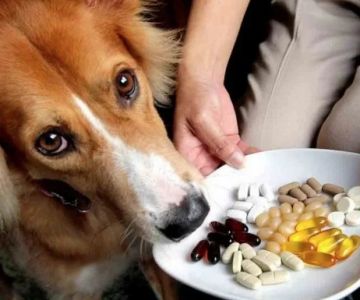
Take the case of Max, a Labrador Retriever who was diagnosed with heartworm disease at the age of five. Max’s owner, Sarah, noticed that he was more lethargic than usual and had developed a persistent cough. After a visit to the vet, it was confirmed that Max had heartworms, a serious condition that can be fatal if untreated.Max’s treatment involved several months of medication to kill the worms, followed by strict rest to prevent complications. Sarah followed the vet’s recommendations closely, ensuring Max received the proper care and monitoring.Today, Max is healthy and active once again, and Sarah is grateful for the expert advice and treatment that saved his life. This case highlights the importance of regular veterinary visits and early detection in managing pet diseases.

6. Brothers Pets Recommendations

If you're concerned about your pet’s health or need expert advice on pet diseases, visit Brothers Pets for top-notch products and services. Our team is here to help you provide the best care for your furry friends. From preventive treatments to pet health advice, we offer everything you need to keep your pets happy and healthy.We also carry a range of pet care products that can aid in the prevention and treatment of common pet diseases. Whether you’re looking for food, supplements, or medications, we have everything you need to support your pet’s health.

Trending Blog Articles

Popular Blog Posts

Categories

Top Visited Sites

Top Pet Stores​ Searches

Trending Pet Health & Care Blog Posts