
- 1. Understanding Pet Stress During Vet Visits
- 2. Why Do Pets Get Stressed During Vet Visits?
- 3. Signs of Stress in Pets
- 4. How to Calm Your Pet Before and During the Visit
- 5. Real-Life Example: How One Pet Owner Managed Vet Visit Stress
- 6. Why Choose Brothers Pets for Your Pet Care Needs
1. Understanding Pet Stress During Vet Visits
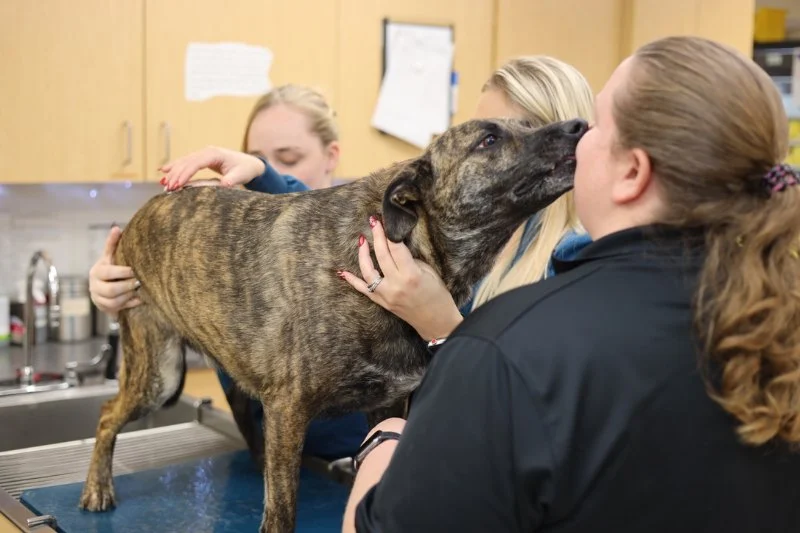
Vet visits can be stressful for many pets, especially if they are not accustomed to being handled by strangers or are worried about medical procedures. Stress can manifest in various ways, from nervous pacing to more severe reactions like excessive drooling, trembling, or even aggression. Understanding what causes this stress can help pet owners manage it more effectively and create a more positive experience for both their pets and themselves.
For older pets or those with past negative experiences at the vet, stress may be a recurring issue. Managing this stress is essential for your pet’s well-being and can also make vet visits more manageable for you as an owner.
2. Why Do Pets Get Stressed During Vet Visits?
There are several reasons why pets may experience stress during vet visits. Some common causes include:
Unfamiliar Environment
Vets’ offices can be loud, filled with unfamiliar smells, and full of new experiences for pets, all of which can create anxiety. The waiting room, with its sounds of other animals, can add to the nervous energy your pet feels.
Fear of Medical Procedures
For many pets, the fear of being examined or receiving shots can cause stress. The strange instruments, as well as the physical handling, can make pets feel vulnerable and anxious.
Past Trauma
Pets that have had negative experiences at the vet—whether it was painful procedures or overly stressful visits—may develop a fear of future vet appointments. This can make them more anxious and reactive when they have to visit again.
3. Signs of Stress in Pets
Recognizing when your pet is stressed is the first step in managing their anxiety. Signs of stress can vary depending on the pet, but common indicators include:
Physical Signs
Pets may show physical signs of stress such as drooling, panting, trembling, or hiding. In some cases, they might even attempt to escape or resist being handled.
Behavioral Signs
Behavioral signs can include barking, whining, excessive licking, or changes in posture such as tucking their tail or flattening their ears. In more extreme cases, pets may become aggressive or attempt to bite.
4. How to Calm Your Pet Before and During the Visit
Managing your pet’s stress during a vet visit requires preparation and patience. Here are some steps you can take to reduce your pet’s anxiety:
Pre-Visit Training
Start by familiarizing your pet with handling and basic vet visit scenarios at home. Gentle touches, handling their paws, and mimicking basic procedures like an ear exam or mock injections can desensitize your pet to the physical aspects of a vet visit.
Calming Products
Consider using calming products such as pheromone sprays, anxiety wraps, or calming chews. These can help soothe your pet before and during the visit. Products like Adaptil or Rescue Remedy are popular for their calming effects on pets in stressful situations.
Bring Comfort Items
If possible, bring along your pet’s favorite blanket or toy. Familiar scents and objects can offer comfort and reassurance, reducing feelings of anxiety. Additionally, ensuring that your pet is fed, hydrated, and well-rested before the visit can help them feel more at ease.
Choose the Right Time for the Appointment
Scheduling your vet appointment at a quieter time of day can also make a significant difference. Early morning or late afternoon appointments may avoid the hustle and bustle of busier periods. Fewer pets in the waiting room can help minimize your pet’s stress levels.
5. Real-Life Example: How One Pet Owner Managed Vet Visit Stress
Susan, a dog owner, had a difficult time managing her dog Max’s anxiety during vet visits. Max would tremble and whine from the moment they entered the clinic. After discussing the issue with her vet, Susan started using calming treats before the visit and practiced handling exercises at home. She also scheduled her appointments during less busy times. The combination of calming methods and preparation helped Max become less fearful, and now vet visits are far less stressful for both of them.
6. Why Choose Brothers Pets for Your Pet Care Needs
If you’re looking for products that can help manage your pet’s stress during vet visits, Brothers Pets offers a wide range of calming solutions. From anxiety-reducing collars and sprays to comfort items that can help your pet feel at ease, we have everything you need to ensure your pet’s visits to the vet are as stress-free as possible.
Visit Brothers Pets today to explore our selection of pet care products, and ensure your pet’s well-being during every vet visit.




 VIP Petcare3.0 (9 reviews)
 All Pets Mobile Clinic4.0 (183 reviews)
 VCA Deer Creek Animal Hospital4.0 (246 reviews)
 Mckinney Animal Hospital4.0 (749 reviews)
 Oceanside Animal Clinic3.0 (361 reviews)
 Southern Crescent Equine Services4.0 (85 reviews)
 Expert Advice on Pet Vaccination Every Owner Should Know
 Why Regular Vet Visits Are Crucial Even for Healthy Pets
 How to Choose the Best Pet Groomer for Your Pet’s Needs
 Understanding Pet Behavior: Training Tips and Techniques for a Happier Pet
 The Ultimate Guide to Parasite Prevention for Pets
 Dog Grooming Tips for Maintaining a Healthy Coat | Brothers Pets